An invitation from Tokyo
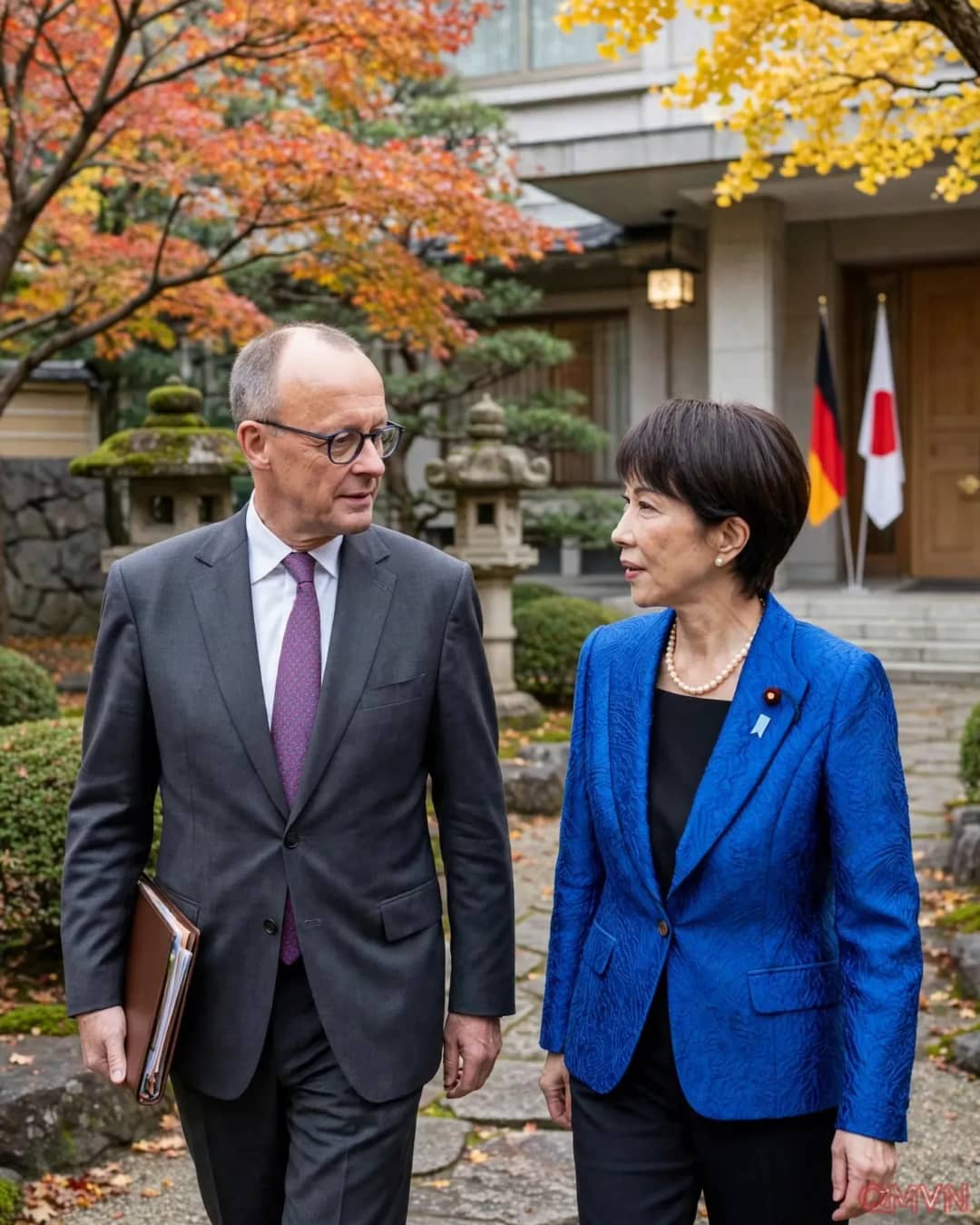
Merz's proposal, which he has carried throughout a week-long Asian tour, is simple in concept and ambitious in scope. Countries committed to open, rules-based commerce would agree to coordinate their actions if the rules of the global trading system were broken or if one of them came under economic pressure, presenting a united front. He named no country, but the context hardly needed footnotes.
In his second term, US President Donald Trump has sought to wrap the American economy in a wall of tariffs, while China stands accused by Western governments of unfair trade practices, a charge Beijing rejects. Caught between the two, Germany, Europe's largest economy, has struggled to restore growth. Merz described the moment as the threshold of a new era, one in which major powers are rewriting international rules and breakthrough technologies are shifting the balance of power.
Beijing's reply: a call for rationality
China responded by expressing hope that Germany and the EU would approach trade objectively and rationally, adding that it was committed to maintaining the stability of trade and supply chains. Beijing has long argued that it is not the root cause of Europe's industrial difficulties but a partner in solving them.
European industry sees things differently. Manufacturers blame a surge of Chinese exports for factory closures and job losses, and the EU has launched a series of trade measures against Beijing. The tension was sharpened by figures released during Merz's visit: a report projected Germany's trade deficit with the Asia-Pacific region at a record of nearly €146 billion in 2026, as shrinking sales to China outweigh gains elsewhere.