Control without blanket nationalisation
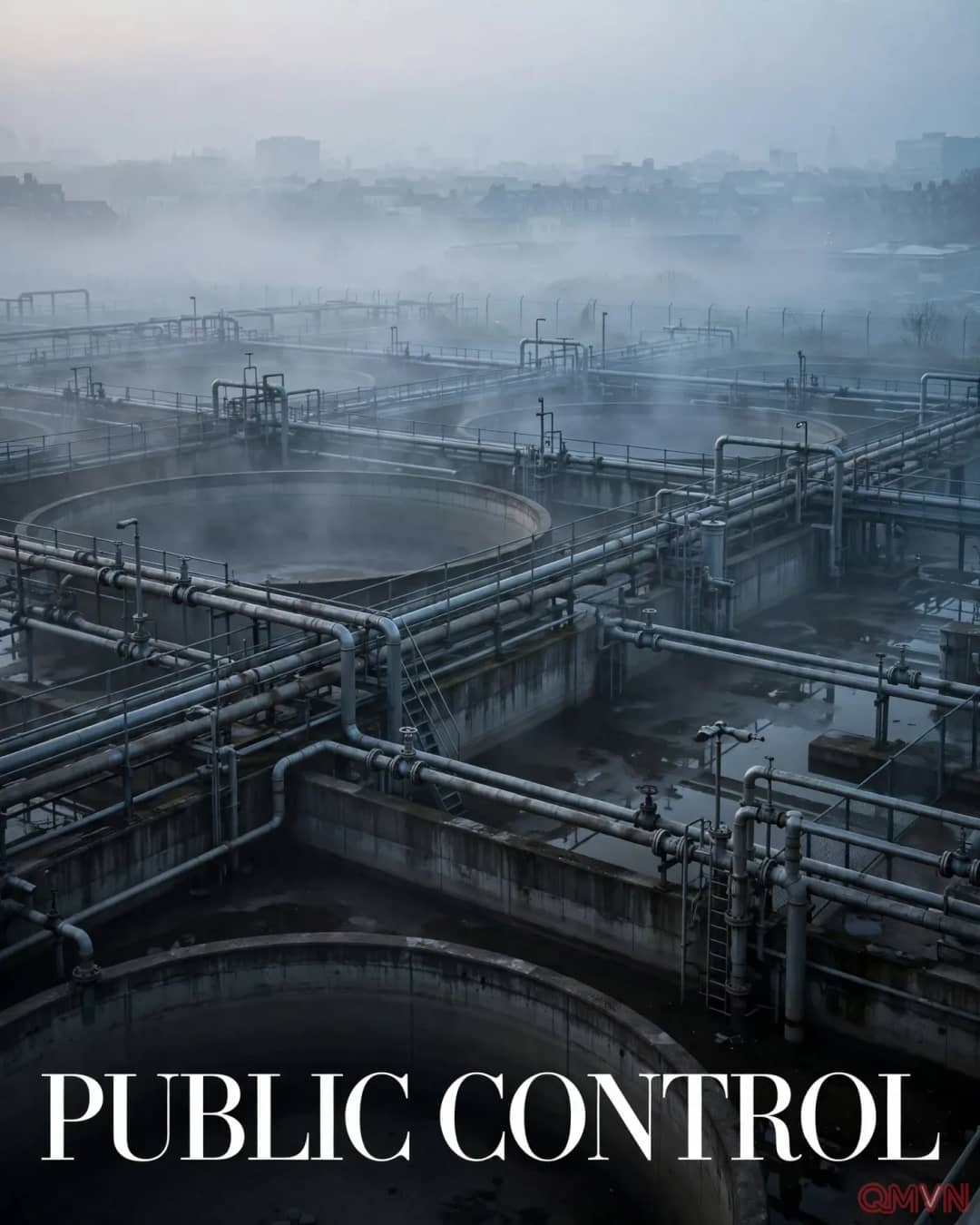
Haigh's speech, published by the British government on November 23, sought to establish a distinction between public control and universal state ownership. Her approach envisages private investors continuing to participate under clearer obligations and with an appropriate return. The central issue is how public authorities can enforce service standards when consumers cannot readily choose an alternative network. Water pipes and electricity distribution systems are expensive to duplicate, meaning ordinary market competition cannot resolve every failure.
Public control could encompass stronger regulatory powers, changes to ownership rules or greater accountability for strategic decisions. These are distinct instruments with different financial consequences. It would therefore be premature to interpret the speech as a decision to purchase every privately owned utility. The precise mechanisms will matter more than the broad political language.
The Thames Water test
Reuters reported that Thames Water serves 16 million customers and is restructuring approximately £20 billion in debt following pollution penalties. Its predicament illustrates the difficulty of maintaining infrastructure while dealing with financing costs.