MAIN CONTENT
A new perspective on financial stability
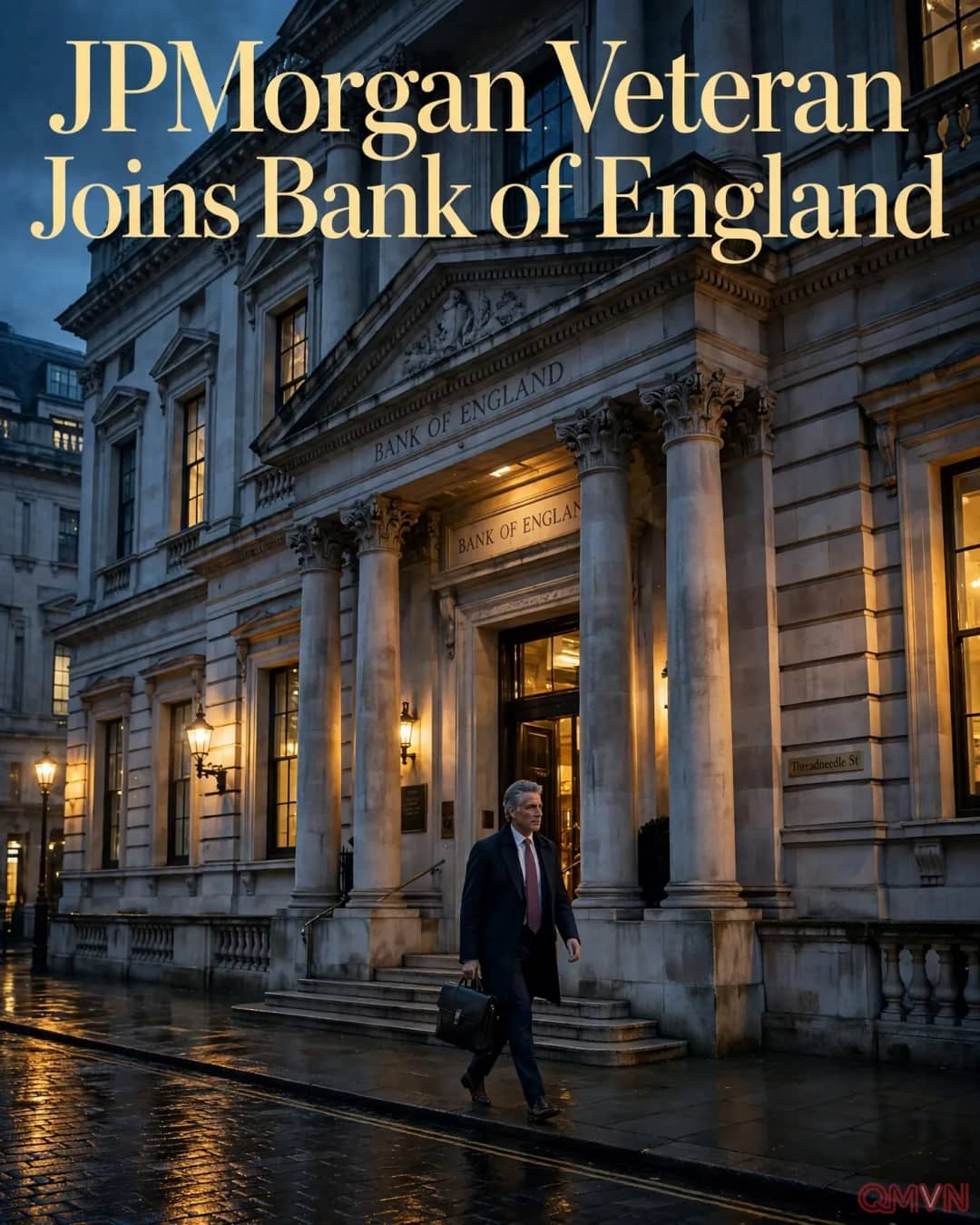
Pinto previously served as chief operating officer of JPMorgan Chase and led its corporate and investment banking division. Reuters reported the appointment on 24 November, while the Treasury confirmed the term and the parliamentary scrutiny timetable. The appointment brings practical knowledge of international finance into a collective decision-making body. Experience with the operation of a large financial institution may help illuminate how liquidity pressures, funding costs and market disturbances affect decisions inside banks. It does not, however, establish in advance how Pinto will vote on any particular policy.
What the committee actually does
The FPC looks beyond individual businesses to consider vulnerabilities across the financial system. According to the Bank of England, its primary mandate is to protect financial stability, with a secondary responsibility to support government economic policy. One important instrument is the countercyclical capital buffer, which can be adjusted as risks evolve.
Building capital reserves in appropriate circumstances can give banks more room to absorb losses when conditions deteriorate. Unlike the Monetary Policy Committee, the FPC is not responsible for setting the benchmark interest rate. Its work instead seeks to prevent financial disruption from becoming a broader economic crisis.
Expertise and independence
Recruiting people with commercial experience gives regulators access to practical knowledge that may complement economic research and supervisory analysis. The challenge is to ensure that this expertise serves the public interest. The Bank publishes a conflicts-of-interest code for committee members, and the Treasury says the appointment followed an open competition. Parliamentary scrutiny offers another opportunity to examine the nominee’s approach. These safeguards matter because decisions on resilience can affect the profitability of banks, the availability of credit and the allocation of risk throughout the economy.
Why households and businesses should care
Financial stability is not simply a matter for trading floors. When banks or other financial intermediaries face severe stress, businesses may encounter difficulty financing investment, and households may find borrowing more expensive or less accessible. Prudential policy involves trade-offs: stronger protections can reduce vulnerabilities, but their design must also consider the capacity of the financial system to support productive activity. The appointment alone does not change lending rules or guarantee a particular outcome. The more meaningful evidence will come from the committee’s published decisions and explanations over time.