MAIN CONTENT
The immediate human toll
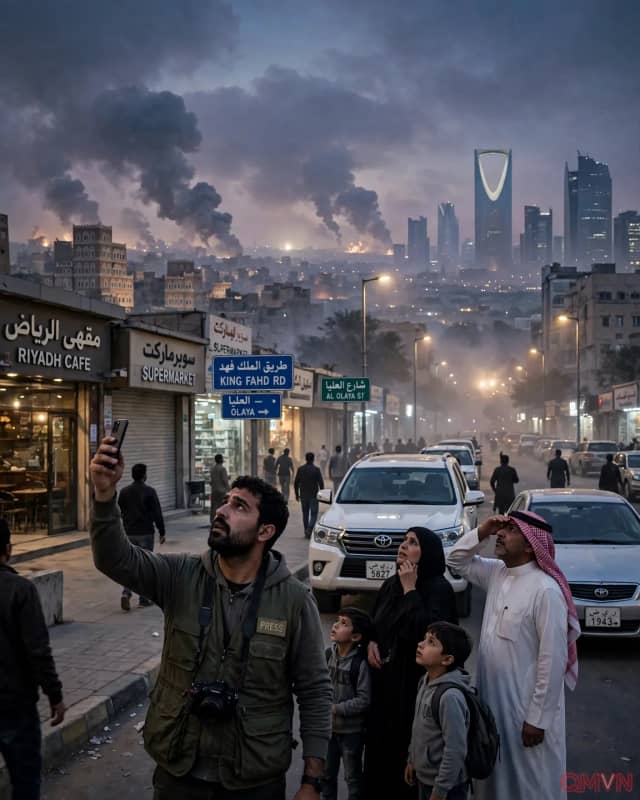
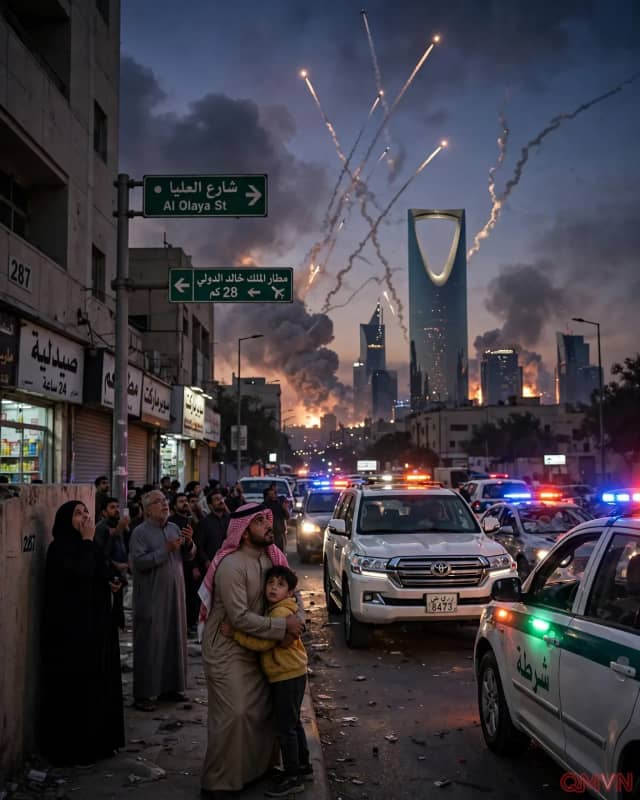
The Saudi civil defence announcement placed the injured at the centre of the latest emergency. Reuters noted that it could not independently establish when an official photograph had been taken or assess the complete extent of the new damage. The Financial Times separately reported the injuries and the connection to the sovereign wealth fund. Those limits matter: early images and preliminary statements cannot substitute for a comprehensive assessment of what happened.
For people who work and live in a large metropolitan area, repeated violence can undermine the ordinary routines on which a city depends. The consequences extend to families waiting for information, employees concerned about returning to work and emergency personnel responding to uncertainty. Public communication must distinguish confirmed information from preliminary reports, especially when fear can spread faster than reliable evidence.
Economic confidence under pressure
The Public Investment Fund plays an important role in Saudi Arabia’s efforts to broaden its economy beyond oil. Its investments are associated with infrastructure, tourism and new industries.
An incident affecting its headquarters therefore carries symbolic weight, although damage to a building does not by itself establish a loss of investment capacity or a change in financial policy.
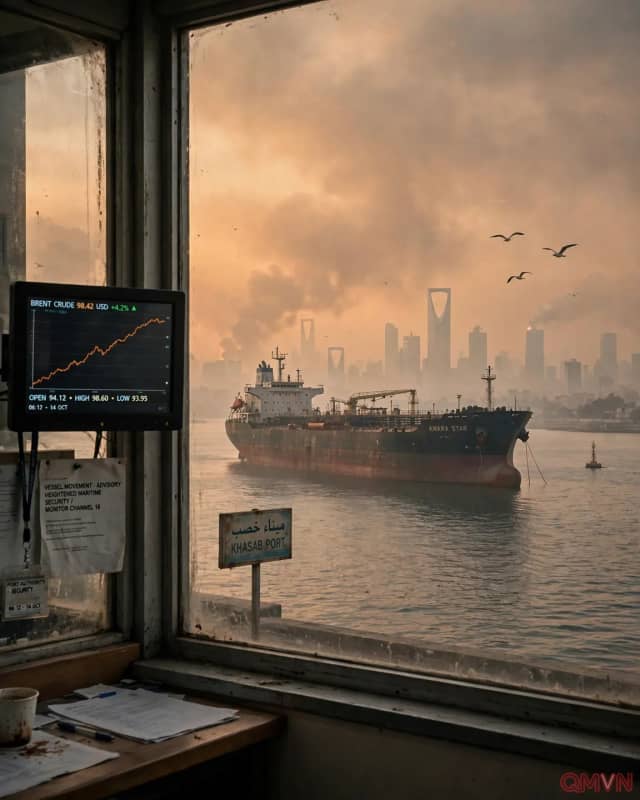
Reuters reported that the wider campaign had disrupted international air services and major events. For businesses, interrupted journeys can complicate meetings, supply arrangements and staffing. Tourism and hospitality may also face uncertainty when visitors reconsider their plans. Such risks are not identical across industries, and their actual financial impact will depend on the duration of disruption, the continuity of services and the response of customers. A single incident cannot establish the scale of future economic losses.
A conflict with consequences on both sides of the border
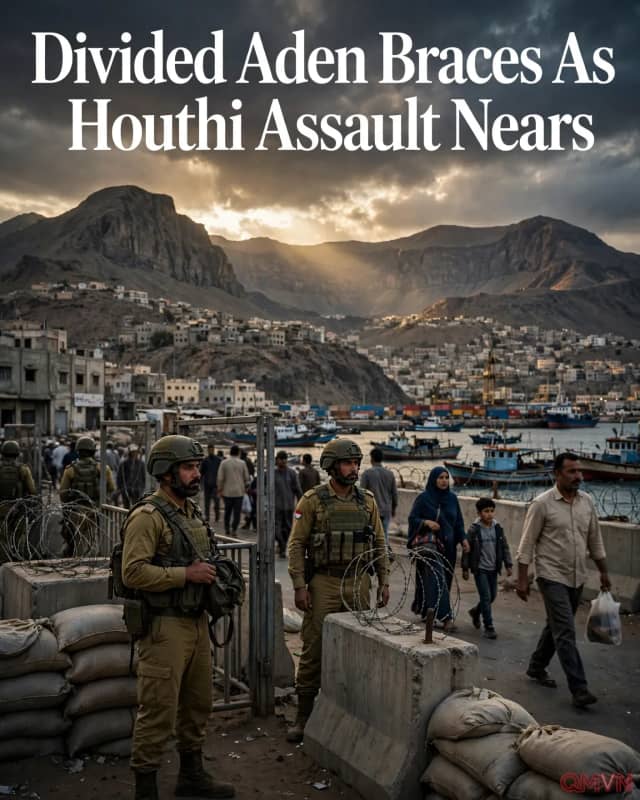
The Saudi-led coalition condemned the latest incident. Reuters describes the Houthis as controlling much of western Yemen, while forces aligned with the internationally recognised government have faced setbacks amid renewed hostilities. The coalition has also carried out air strikes. These developments underline how a domestic conflict has become intertwined with regional rivalries, without making the interests of all participants identical.
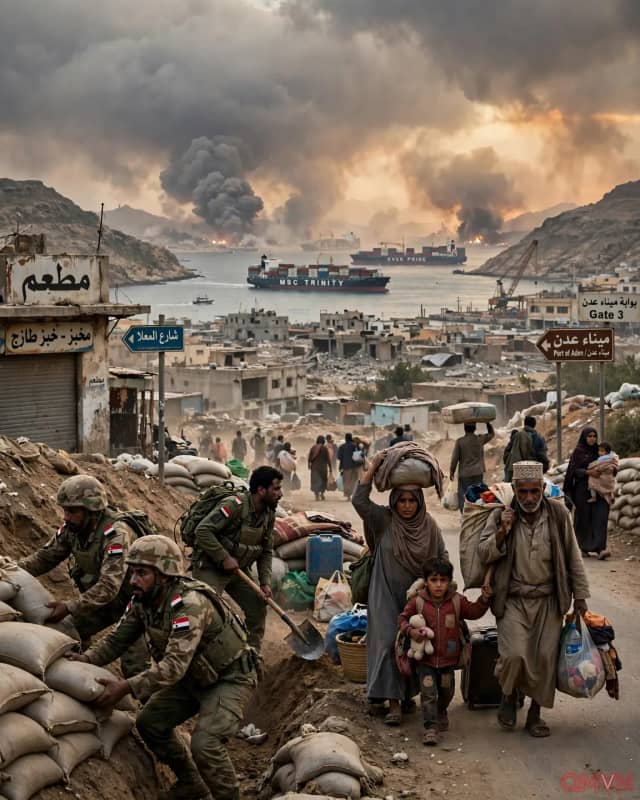
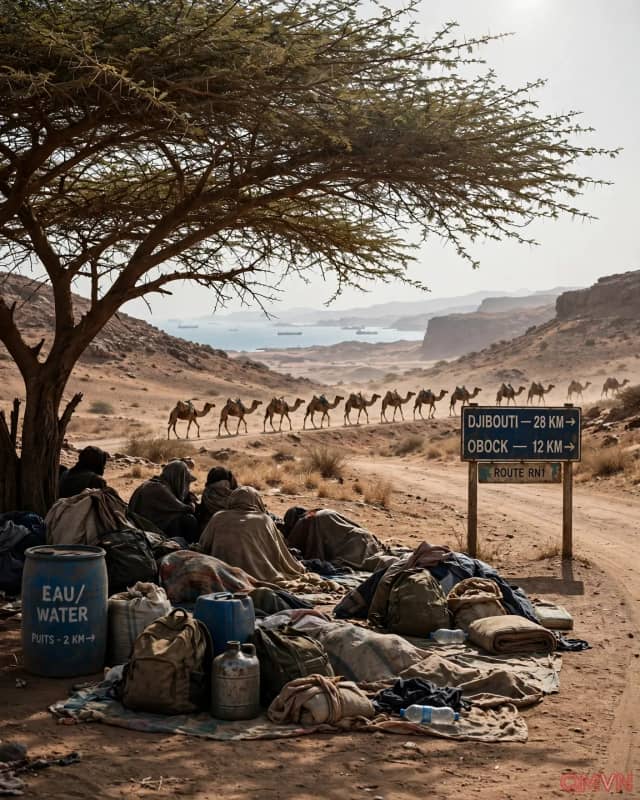
The United Nations describes a humanitarian emergency that predates the latest escalation. UNHCR reported that more than 5.2 million people were internally displaced in Yemen as of the first quarter of 2026. UNICEF warned in September that renewed fighting was disrupting children’s access to education and medical care. These figures concern Yemen as a whole, rather than the specific incident in Riyadh. They reveal the importance of sustained humanitarian assistance alongside efforts to reduce violence. For displaced families, the loss of income and shelter can persist long after immediate hostilities subside.
The importance of reliable information and civilian protection
International humanitarian law requires parties to armed conflicts to distinguish civilians and civilian objects from military objectives and to take feasible precautions to protect civilian life. The legal assessment of an individual incident depends on evidence and the applicable circumstances; it cannot be settled solely by a statement from one party. The same principles apply regardless of the identity of the people affected or the political position of those involved.
As the regional crisis continues, public institutions face overlapping responsibilities: providing timely information, maintaining essential services and preserving access to humanitarian assistance. Independent reporting and transparent assessments can help communities make informed decisions without overstating the certainty of early reports. Diplomatic engagement and humanitarian work address different dimensions of the crisis, and neither should be confused with an immediate guarantee of peace.