MAIN CONTENT
The night a building fell on sleeping families
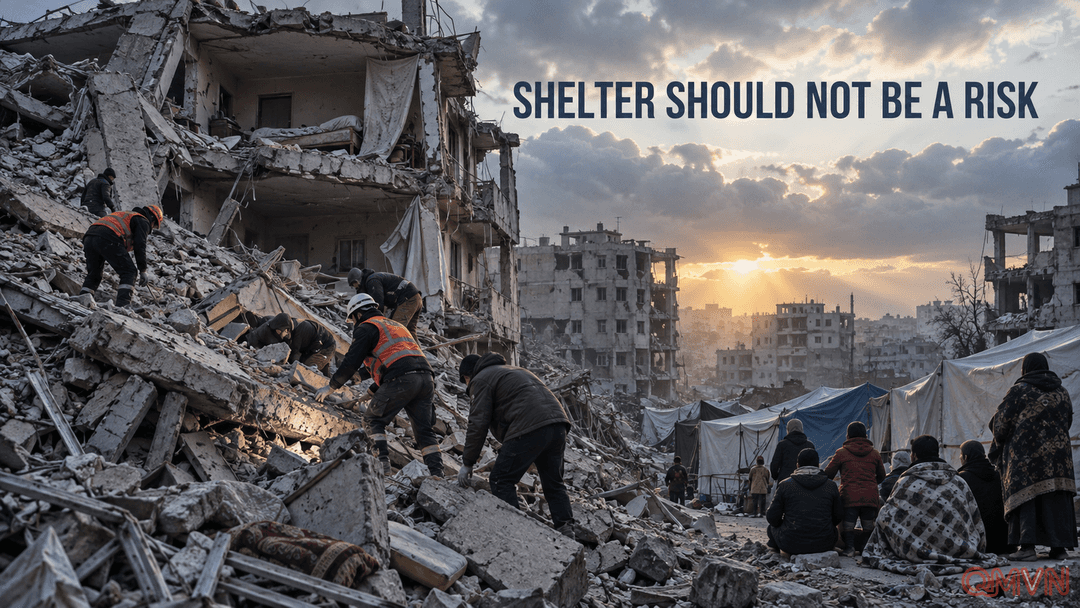
Gaza’s civil defence service said at least 10 families lived in the building when it collapsed. Video obtained by Reuters showed rescuers trying to extract people from beneath large sections of wall. Personnel from United Nations agencies and Egypt’s relief service joined the operation as relatives waited between hope and fear.
The casualty count could change because many people remained missing. Every hour matters after a structural collapse: survivors may face dehydration, injuries or dwindling air. But multi-storey concrete debris cannot be moved safely by hand alone, making the search both slower and more dangerous for rescue workers.
Why families remain inside dangerous structures
Gaza City civil defence director Raed Al-Dahshan said families moved into the building because shelter choices were severely limited. Cracked walls may still offer more protection from wind and rain than open ground or a worn tent. When income, building materials and replacement housing are all scarce, a technical warning does not become a realistic choice.