Door to door in the rain
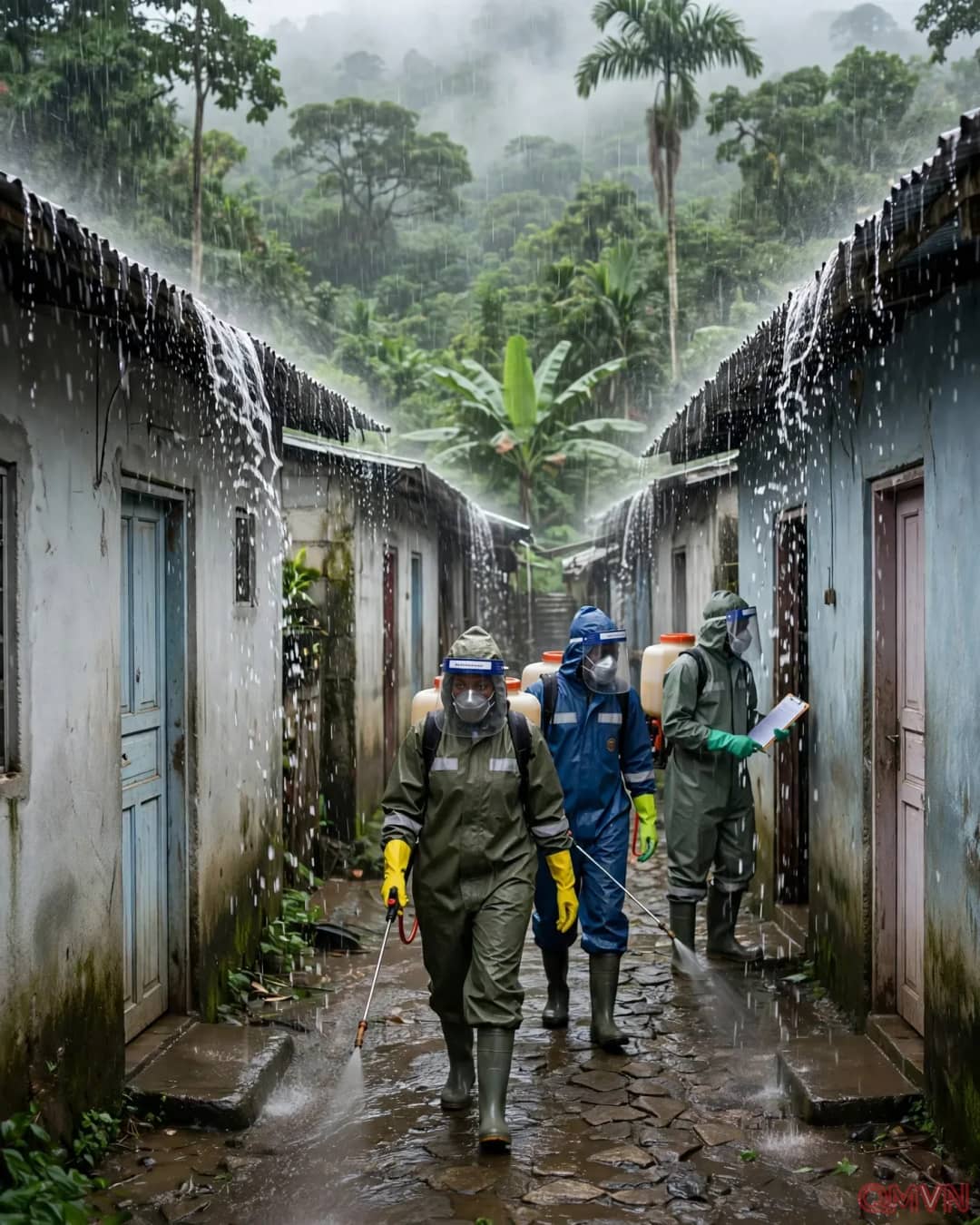
On a morning when heavy rain drummed on aluminium roofs in Malabo, Bioko’s largest city, a team carrying insecticide sprayers squeezed between rows of low-rise cement buildings. Programme coordinator Cristina Ngui Otogo admitted that persuading residents is never easy; sometimes it takes several attempts before a door opens.
*“We are here to give key messages so that the population understands the importance of our interventions.” — Cristina Ngui Otogo*
Elena Ntongono, a security guard, hastily changed out of her pyjamas to let the sprayers in. She has had malaria several times, most recently seven months ago, forcing her to miss work even though she is the family’s main breadwinner. She wants to avoid that and to protect her 11-month-old grandson, who has never had the disease.
*“I am very happy my house is being sprayed.” — Elena Ntongono*
Data: the silent weapon
According to experts at the Africa Centres for Disease Control and Prevention (Africa CDC), a key element of Bioko’s strategy is meticulous data collection on the population and where people live. Guillermo Garcia of the US nonprofit MCD Global Health, which implements the programme, said that because Equatorial Guinea has no address system, the team built its own to map every house, track spraying and count cases.