MAIN ARTICLE
A midterm ballot measures ANO’s reach
The vote comes almost a year after Andrej Babiš returned to the premiership. Victory in the lower-house election allowed him to build a governing coalition with two smaller parties, but it did not confer control of every institution. A Senate election therefore tests the ability of ANO to sustain its appeal beyond a national parliamentary campaign.
The movement is seeking to gain seats, but the outcome should be read carefully. Only 27 seats are on the ballot, and a two-round system means candidates may need to attract voters outside their loyal base before securing a mandate.
The Senate’s constitutional importance
The lower house dominates ordinary legislation, yet the 81-seat upper chamber is more than a symbolic body. It helps shape constitutional amendments and approves Constitutional Court judges, whose decisions can influence the country long after the next election.
Pro-Western opposition parties hope to preserve their leverage in the chamber. A strong showing for ANO could reinforce the government’s political message, but a poor one would not automatically change who governs. No final election result was available when this article was prepared.
Local candidates and everyday concerns
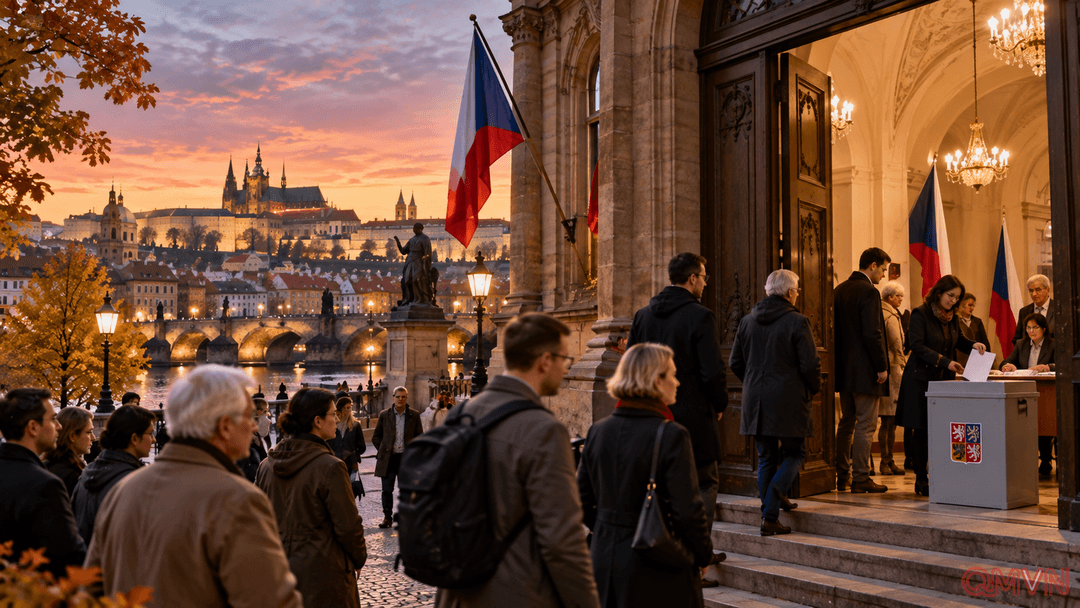
At the same time, citizens elect municipal representatives who oversee practical matters such as transport, housing, school provision, infrastructure and local budgets. These daily concerns often outweigh ideological arguments in individual towns.
Independent candidates and local associations have traditionally secured many municipal seats. Their strength makes it risky to draw a straight line from the national popularity of any prime minister to the preferences of voters in a particular neighborhood.
Ukraine, Europe and the limits of interpretation
Babiš governs with partners whose agenda includes reducing support for Ukraine and challenging certain European Union policies. President Petr Pavel and the pro-Western opposition, by contrast, remain committed supporters of Kyiv following Russia’s full-scale invasion.
Those differences give the election international significance, although municipal and Senate voting is not a direct referendum on foreign policy. Turnout, individual candidates and the distinct electoral rules must all be considered when interpreting the eventual results.
“An election tests national leadership while also letting local communities decide their own course.” — Editorial analysis