MAIN CONTENT
Three carrier groups, one signal of deterrence
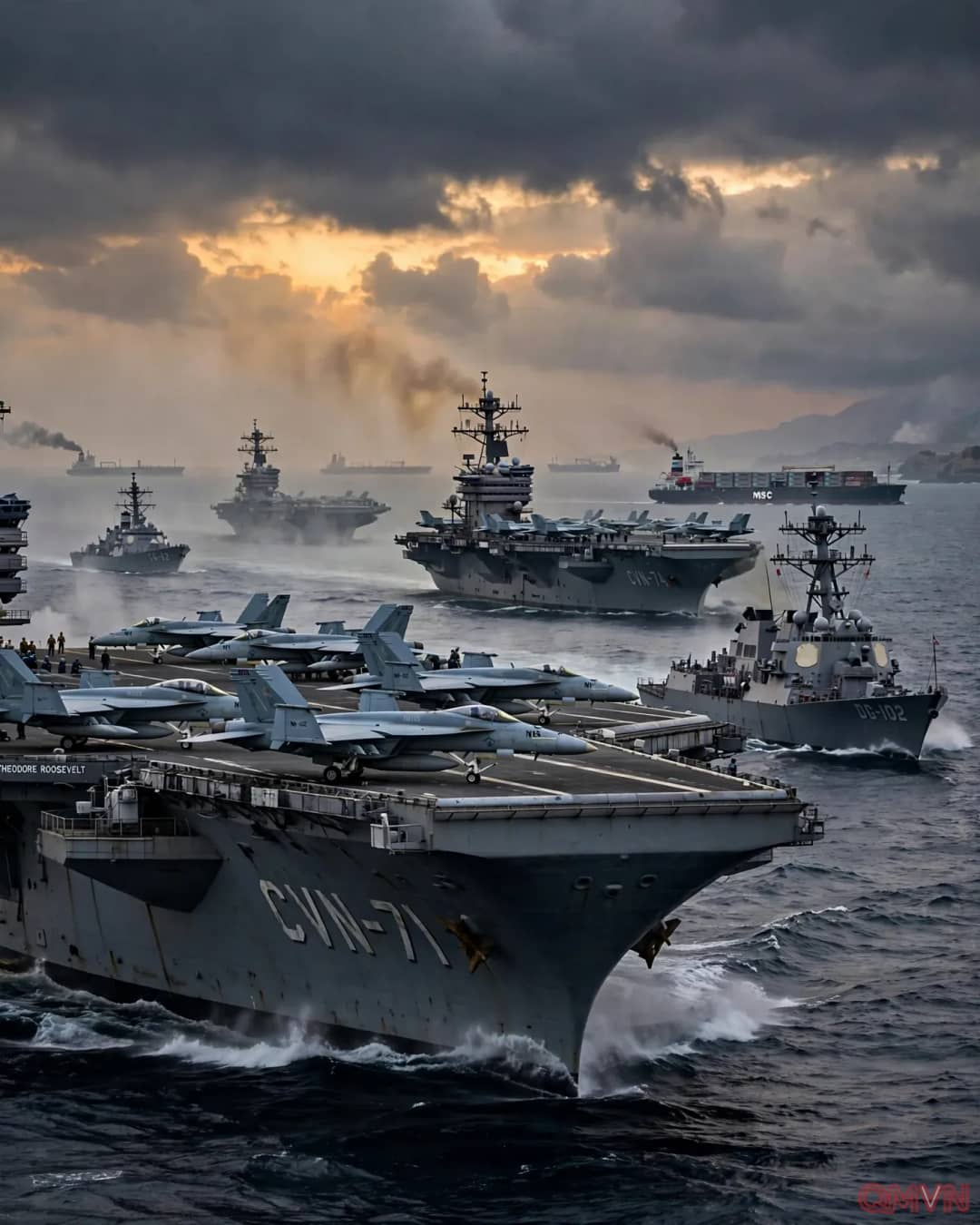
USS Theodore Roosevelt entered the US Fifth Fleet area of operations over the weekend before November 16, according to US military reporting covered by AP and USNI News. Its strike group deployed from San Diego in September with thousands of sailors and substantial carrier-based aviation capabilities. The ship joined USS George H.W. Bush, in the region since April, and USS George Washington, which arrived in August. A concentration of three carrier groups is rare, underscoring how heavily Washington is weighting the Iran theater.
Yet the number does not establish that all three carriers will remain indefinitely. USNI News reported that Theodore Roosevelt was expected to relieve George Washington, with the latter's departure date still uncertain. The wider naval posture includes destroyers, cruisers and another warship in littoral operations. For military planners, this concentration can support surveillance, air defense and the protection of shipping while preserving the option of strikes. For Tehran, it is also unmistakable political signaling.
The blockade and the dangers around Hormuz
The Strait of Hormuz is the economic fulcrum of the standoff. Before the war, approximately one-fifth of the world's oil moved through this narrow waterway. Since then, the American blockade and risks from mines and attacks have made merchant voyages uncertain.