MAIN STORY
Why wages have become a flashpoint
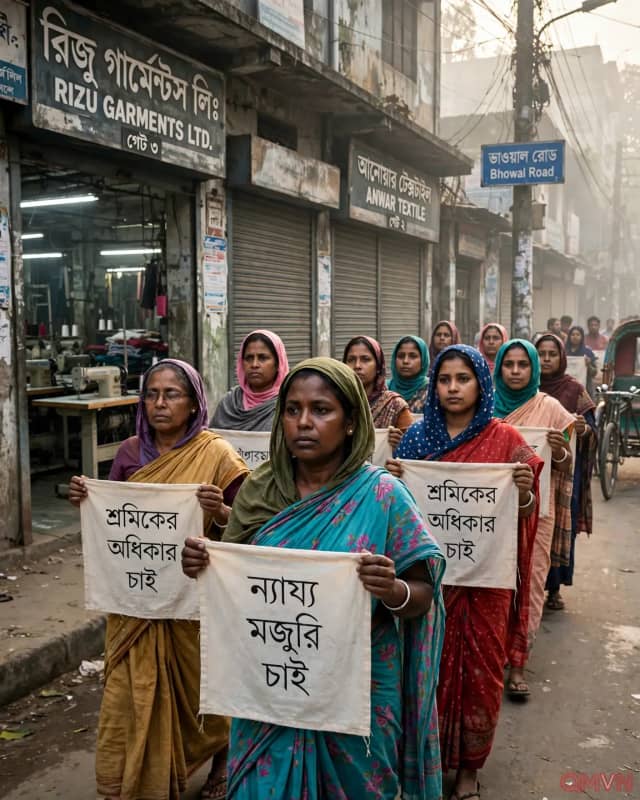
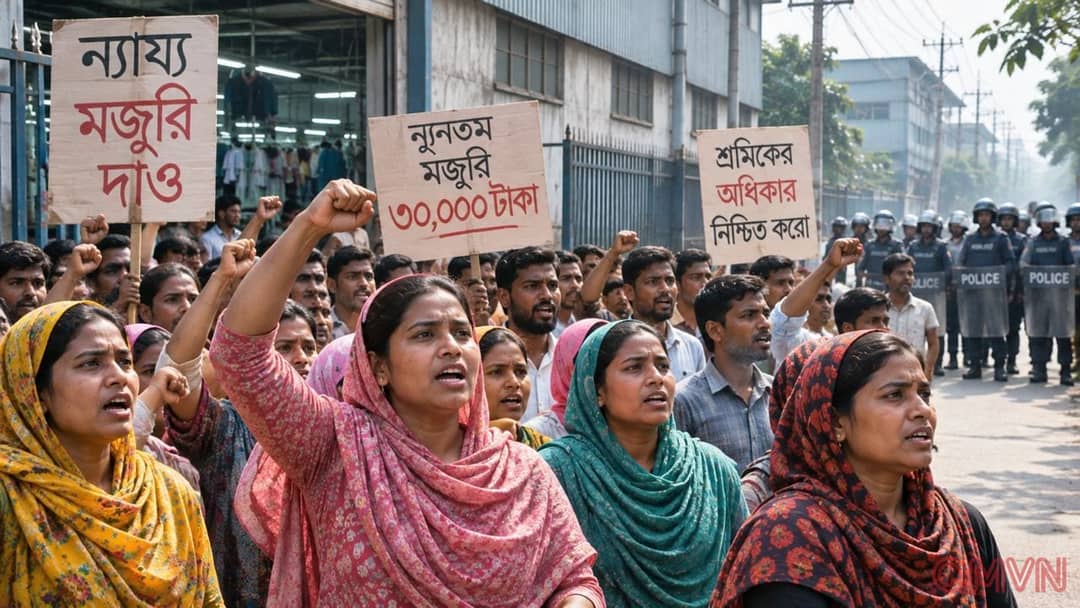
Early-morning groups of workers gathered on roads linking industrial zones to the capital, demanding higher wages and a response from factory owners. Demonstrations spread through Gazipur, Ashulia and Mirpur, disrupting highways and forcing production lines to stop. The disruptions show how rapidly a workplace grievance can affect a network of industrial districts, delivery routes and communities dependent on garment employment.
The difference between the existing 12,500-taka minimum and the 30,000-taka demand is substantial, but protesters say it reflects the cost of living rather than an abstract bargaining position. The Daily Star quoted a worker whose 5,500-taka rent consumed much of his monthly earnings before groceries were purchased. Individual household budgets vary, yet the example explains why inflation can turn a formally established wage into a politically combustible issue.
The demonstrations were not uniformly peaceful. Police said some protesters threw bricks and stones; officers used tear gas and sound grenades in response. Dozens of people, including police personnel, were injured, and vehicles and industrial property were damaged. Specific acts of violence deserve investigation without treating an entire workforce’s economic demands as illegitimate.