The Historic 'Aha' Moment and Enduring Lessons from a Cracked Vial
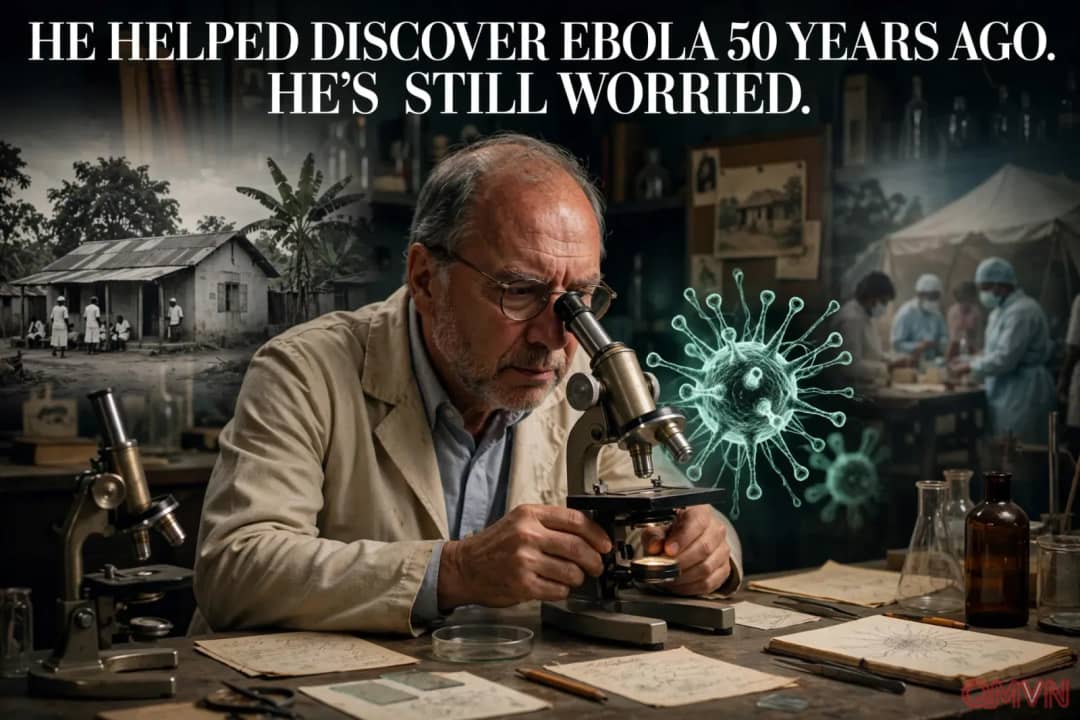
The scientific saga commenced in the autumn of 1976 when a rudimentary blue plastic flask arrived at the Institute of Tropical Medicine in Antwerp, Belgium. Dispatched from Yambuku, Zaire (now the Democratic Republic of Congo), the container held two glass vials of blood taken from a Flemish nun who had succumbed to a mystery illness, accompanied by a faded handwritten note inquiring: 'Yellow fever?'. The investigative task of isolating the unknown pathogen was entrusted to the institute's youngest fellow, 27-year-old Dr. Peter Piot.
Under microscopic inspection, Dr. Piot and his colleagues beheld an astonishing biological entity unlike any conventional pathogen: rather than exhibiting familiar spherical or geometric geometry, the virus resembled coiled strands of spaghetti.