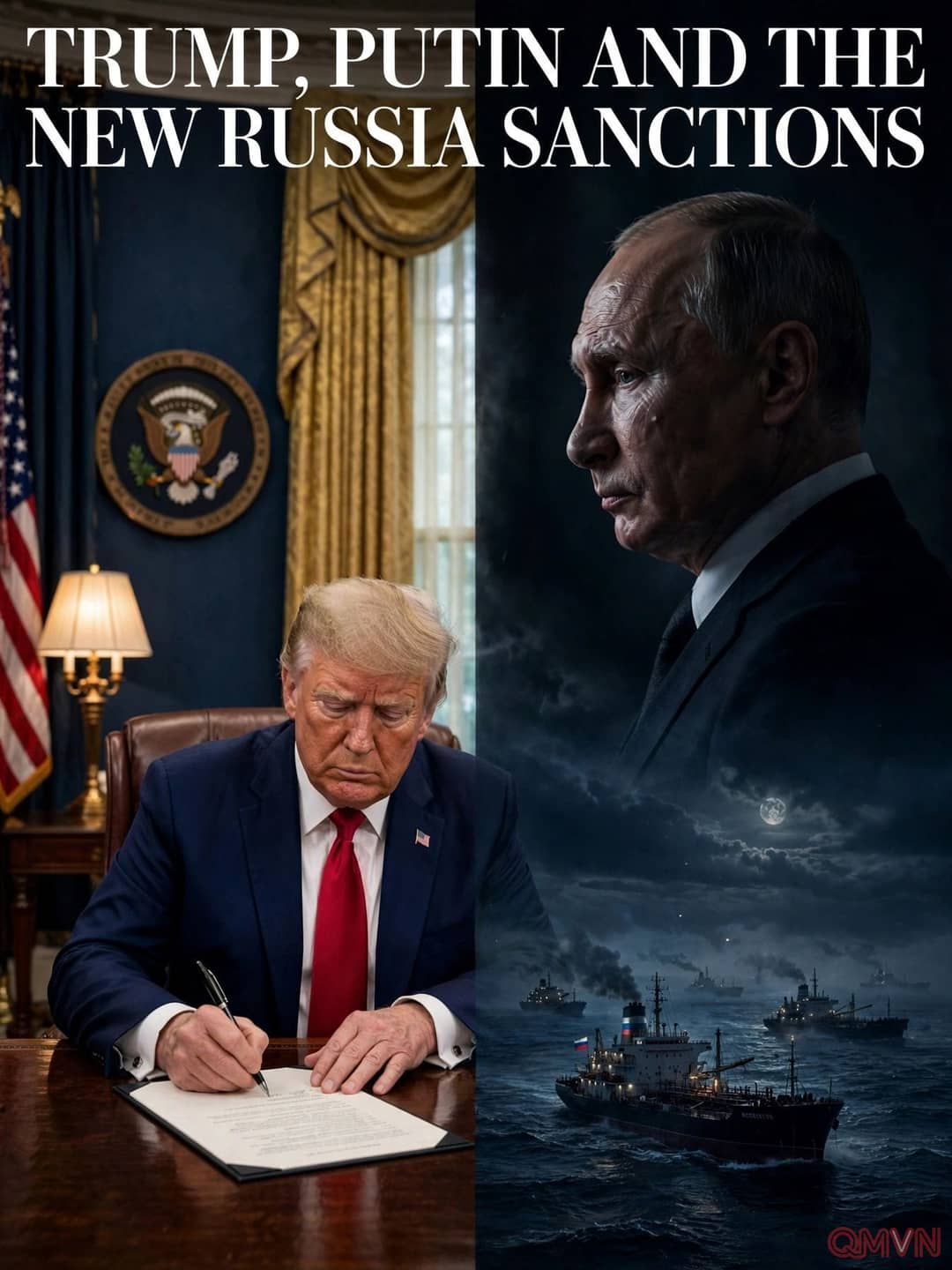
A Direct Hit On Russia's Oil Revenue
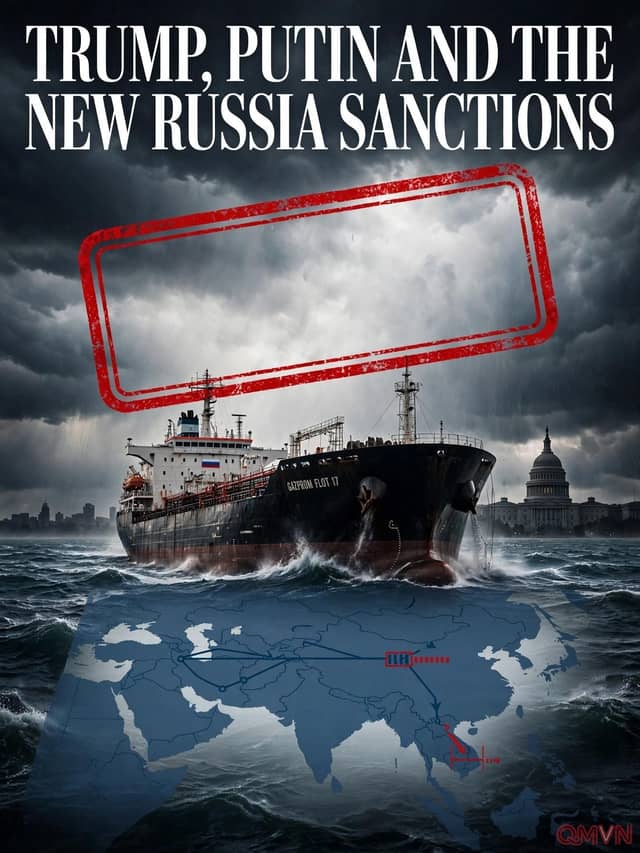
Beyond sanctioning officials and banks directly, the bill takes aim at the shadow fleet of unmarked tankers that Moscow relies on to keep exporting oil despite years of restrictions. The most contentious provision grants President Trump sweeping tariff authority of up to 100 percent against the largest buyers of Russian oil and gas, with China and India widely seen as the primary targets. Yet the same measure also constrains the president's own hand: the bill explicitly bars him from easing or waiving sanctions on Russia without first securing approval from Congress, a marked departure from how such powers have traditionally been exercised by the executive branch. Analysts note that oil exports remain one of the Kremlin's most important sources of war financing, which is why lawmakers in both parties view the tanker fleet and the buyer countries, rather than sanctions on individuals alone, as the real pressure point capable of changing Moscow's calculations.
A Divided Congress, But A Clear Majority
The House passed the bill 262 to 159, with 203 Republicans and 58 Democrats voting in favor, while 152 Democrats and seven Republicans voted against it. The Senate had already approved the measure by an even wider margin, 86 to 11, the previous month. House Speaker Mike Johnson celebrated the vote, highlighting the additional tariff powers it grants the president and arguing that the legislation sends an unmistakable signal that America stands with Ukraine.