MAIN ARTICLE
An election offers new voices, not a settled verdict
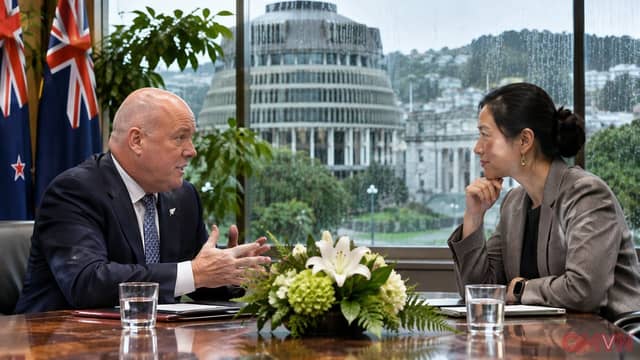
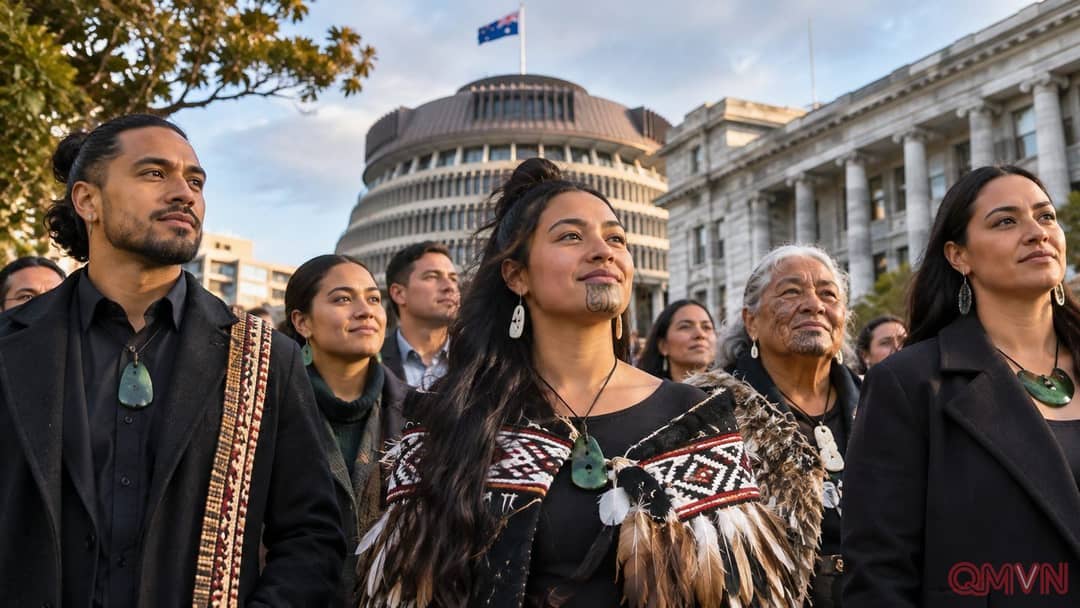
For three years, lawyer Tania Waikato challenged government policies she believed weakened the Treaty of Waitangi, mobilising voters through social media. Now 47, she is set to take that advocacy into Parliament as a Green MP, subject to the official count. Reuters identifies at least nine new Māori lawmakers expected to enter the chamber. Their emergence reflects both established Māori political organising and a younger generation increasingly willing to challenge how national decisions are made.
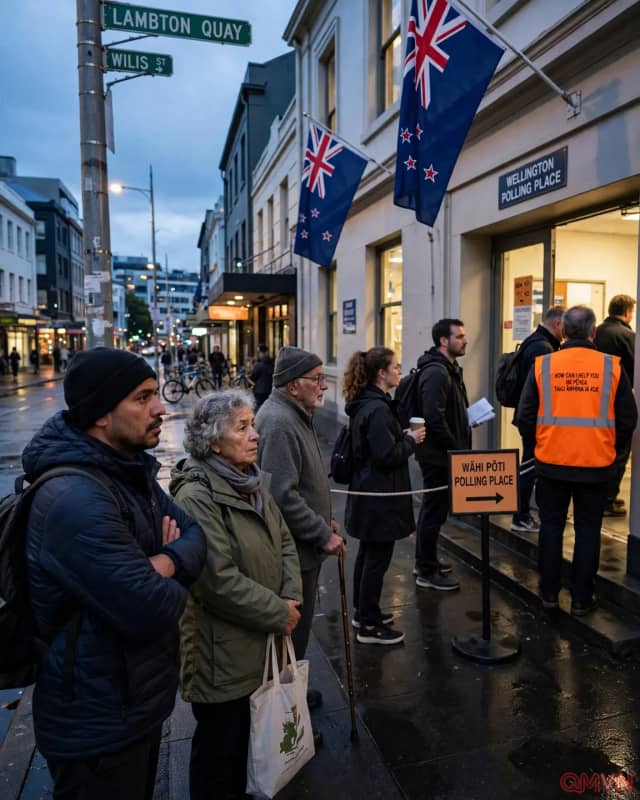
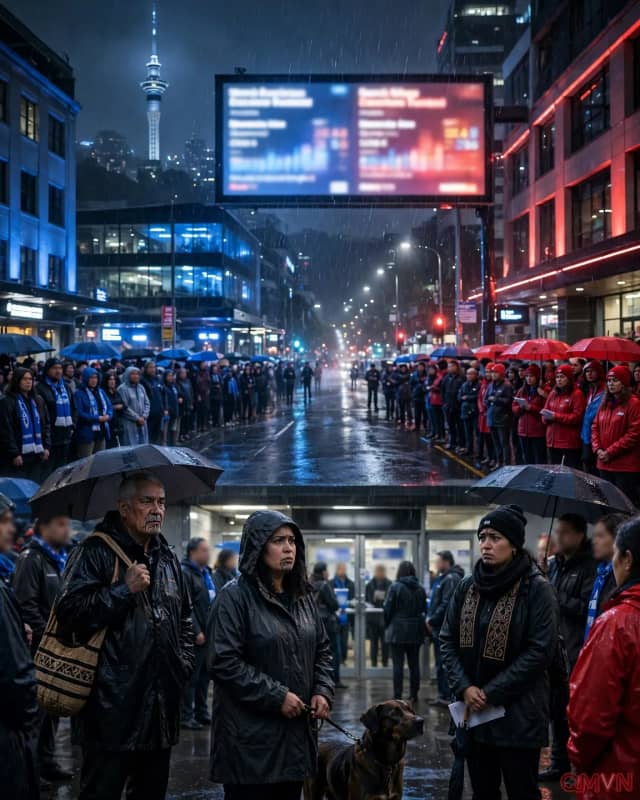
The Electoral Commission's preliminary allocation gives National 42 seats, ACT New Zealand 13 and New Zealand First 12: together, 67 seats in a projected 131-member House. Labour holds a provisional 36 seats, the Greens 16, the Opportunity Party seven and Te Pāti Māori five. The governing bloc's one-seat cushion could change when the approximately 400,000 special votes are verified and counted. Until November 27, any firm prediction about the next parliamentary balance remains premature.
A generation educated in its own language
The kohanga reo early-childhood movement and kura kaupapa Māori schools created spaces where children could grow up speaking te reo Māori and learning within Māori cultural frameworks. Many emerging representatives are comfortable both in te ao Māori, the Māori world, and in contemporary state institutions.