MAIN CONTENT
A powerful instrument, not yet an outcome
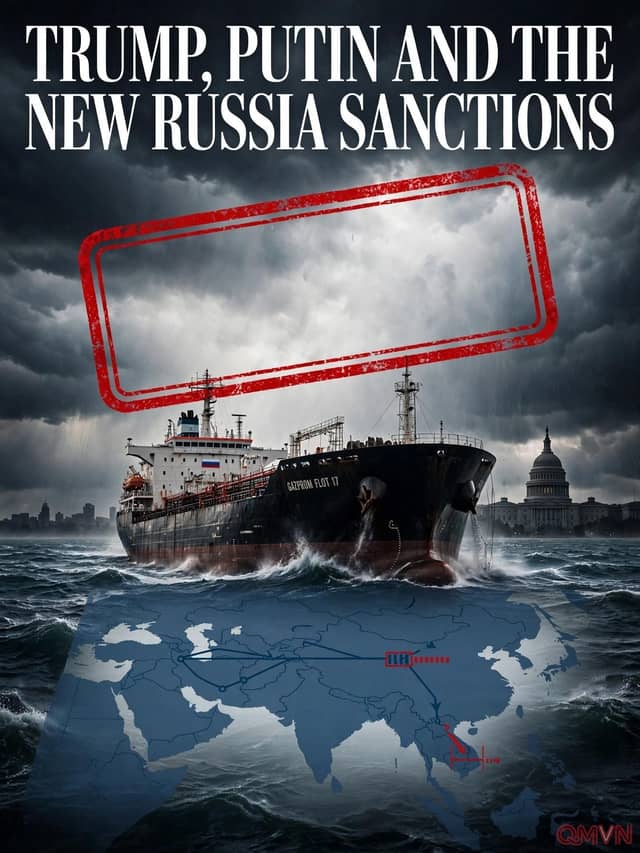
The House approved the legislation by 262 votes to 159 after the Senate passed it 86 to 11. Named for the late Senator Lindsey Graham, who spent more than a year building a bipartisan compromise, the measure targets Russian officials, financial institutions, strategic sectors and the shadow fleet that moves oil through opaque trading networks. It represents Washington’s most ambitious legislative effort to strengthen support for Ukraine in nearly two years.
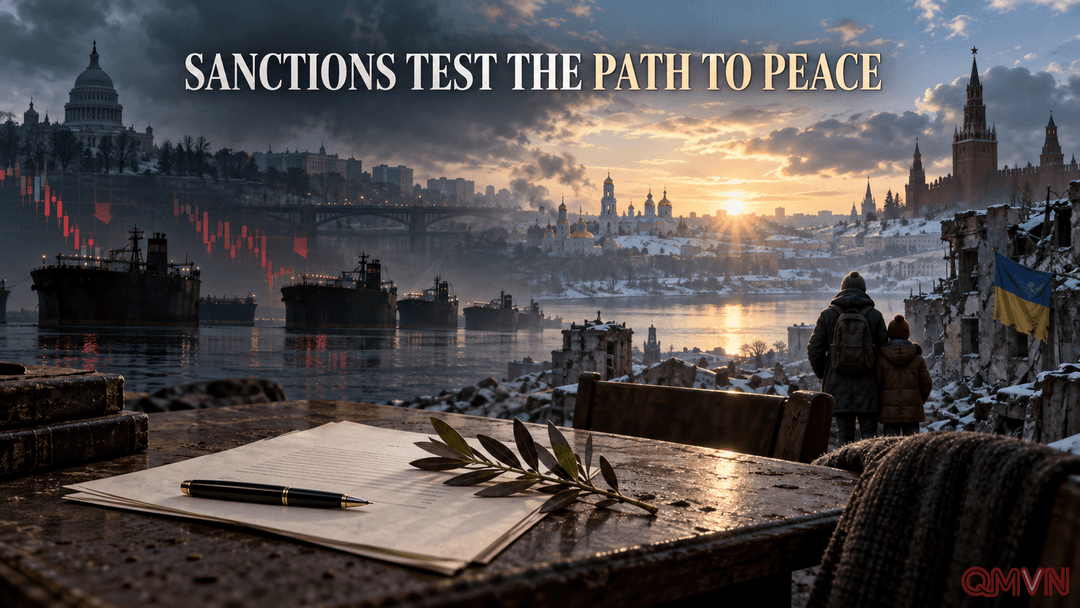
A congressional vote, however, creates authority and a framework rather than a guaranteed result. The impact will depend on whether President Donald Trump signs the bill, when the administration acts, which entities it designates and how it uses available waivers. Sanctions announced forcefully but enforced slowly or unevenly may simply encourage intermediaries to design new routes. Coordinated, transparent and evidence-based enforcement could instead raise the cost of maintaining the revenue streams that sustain the war.
Energy moves to the center of pressure
The bill’s most consequential feature is authority to impose tariffs of up to 100 percent on major purchasers of Russian oil or gas, subject to specified exceptions. The strategy seeks to influence not only the seller but also the commercial links sustaining demand. Companies, banks, insurers and shipowners would have to reassess the risk of participating in Russian energy transactions or facilitating them indirectly.