MAIN CONTENT
An ambitious port, but still a financing proposal
The planned port represents an estimated $1.9 billion investment rather than a funded construction contract. In an interview reported by Reuters on November 16, Sylla identified possible sources of capital including the US International Development Finance Corporation, Chinese investors, the World Bank, the African Development Bank, Africa Finance Corporation and the International Finance Corporation. The discussions establish interest, not financial commitments. That distinction matters for a project whose eventual costs, terms and risk allocation have yet to be disclosed.
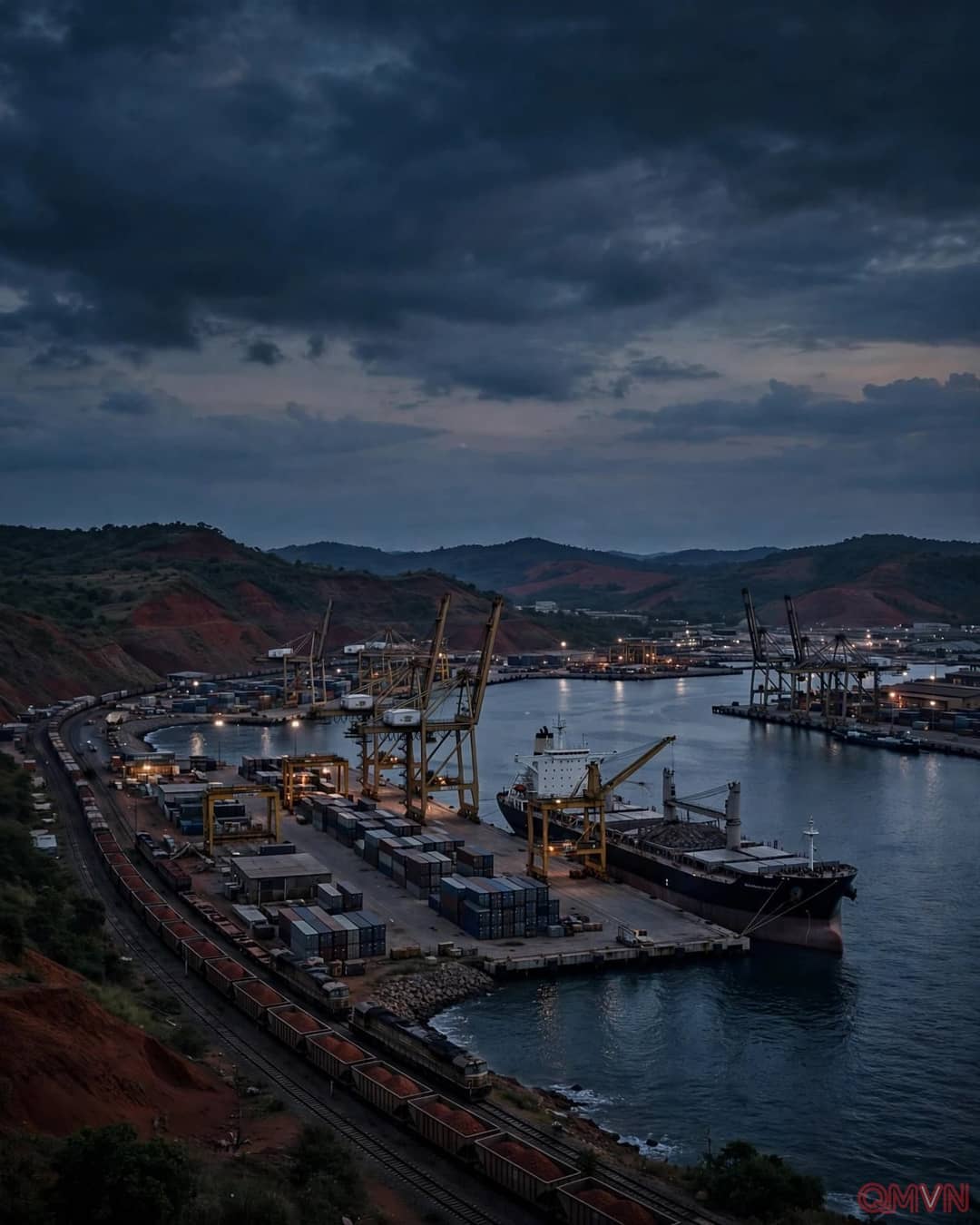
The technical proposition is striking: a 20-metre draft designed for large Capesize ships carrying roughly 200,000 metric tonnes. Such capacity could support high-volume bulk shipments. Yet port size alone does not ensure competitiveness. Shipping companies also need dependable channels, handling equipment, customs clearance, power, road and rail access, and predictable charges. A large terminal without these connections can become an expensive bottleneck rather than a gateway.
The promise of shared infrastructure
Guinea has long relied on rail lines and terminals developed to move particular minerals from individual projects to ships. The new proposal seeks to change that pattern by inviting miners, container operators and industrial users into a common facility.