The deadliest strike
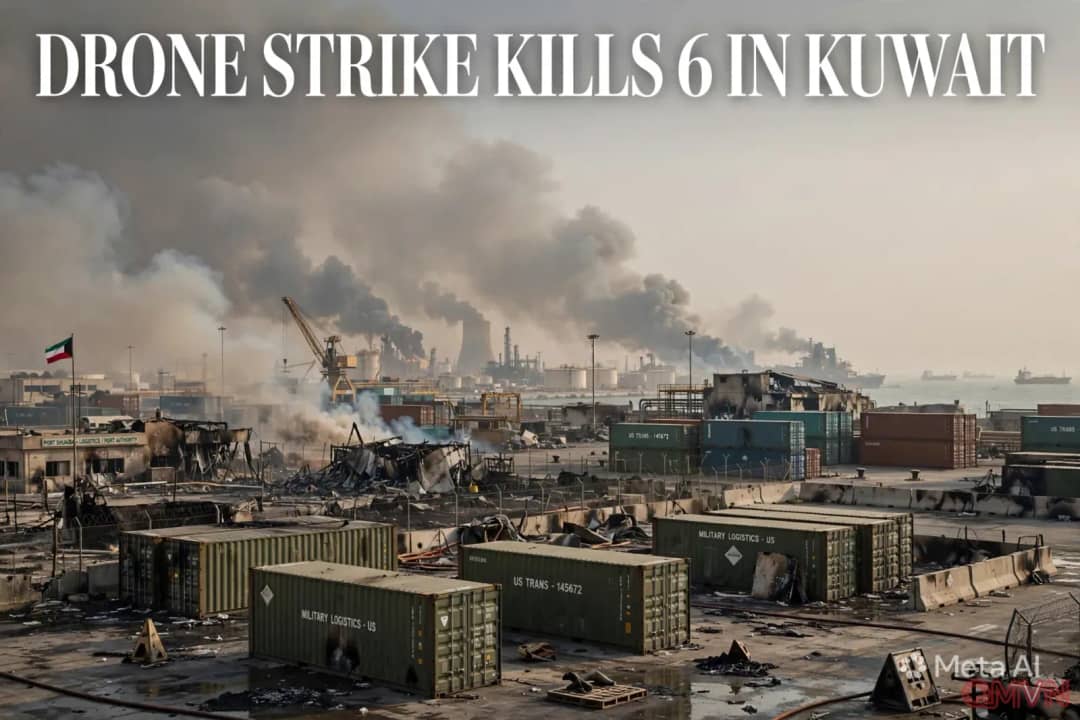
The Pentagon has released few details about the Iranian drone strike on Port Shuaiba on March 1. It is the deadliest known attack on US troops since Operation Epic Fury began on February 28.
In the AP investigation, several soldiers, some speaking on the record, which is rare for troops still in uniform, and others anonymously for fear of reprisal, said the Pentagon did not take Iranian threats seriously enough as it launched the operation. The AP also noted that battlefield conditions are inherently chaotic and that assessments by those involved are often in tension.
Warnings ignored?
According to officers in the logistics command stationed at the port, Maj. Gen. John Hinson and Brig. Gen. Clint Barnes chose to move their operations center there despite threat assessments showing the site was not sufficiently defensible against drones and intelligence reports indicating it was a likely Iranian target. They said the unit could have done its largely computer-based work from a safer site outside Kuwait.
Hinson declined to comment on the record, and Barnes did not respond. Neither general had the authority to change air or drone defences at the site. Senior leadership believed some logistics soldiers needed to remain in Kuwait; two senior officers, including Lt. Col. Tim Halbur, said being there offered communications advantages, so about 75 logistics soldiers stayed, along with dozens of troops from other units.