MAIN STORY
An admission with a crucial legal boundary
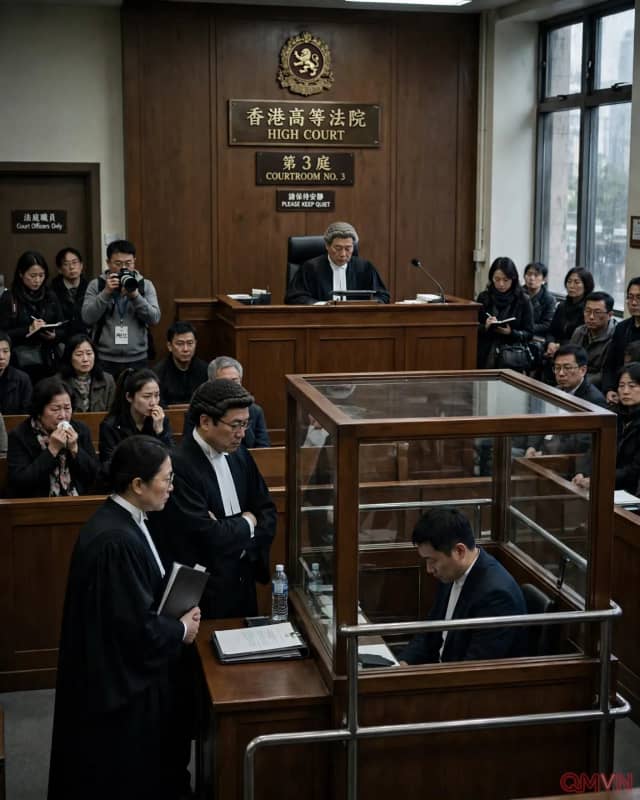
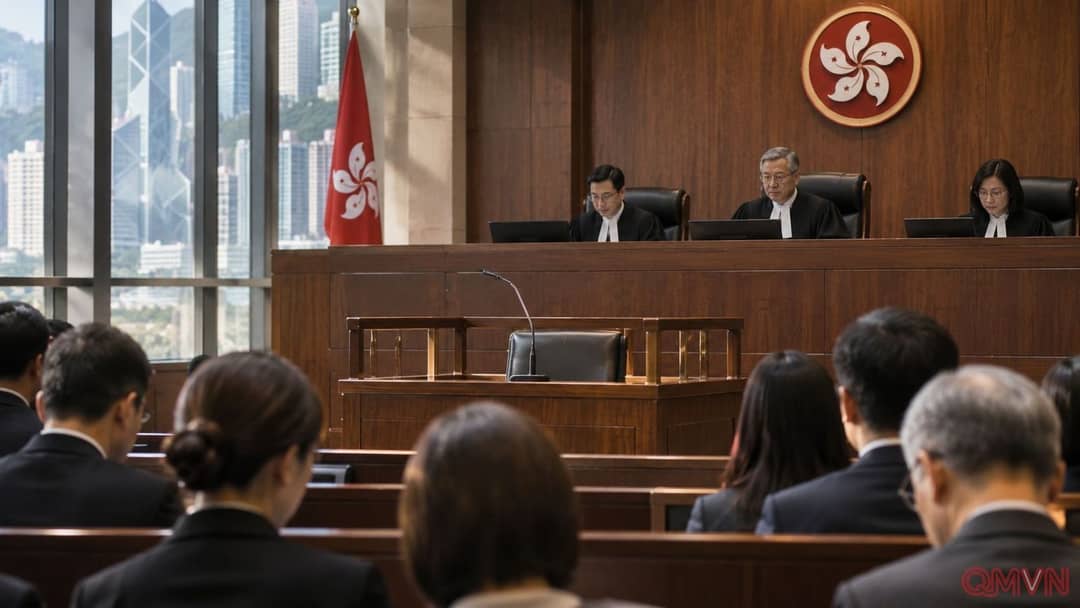
According to the South China Morning Post’s account of Wednesday’s testimony, Kwong Kau said Choi died in her car on February 21, 2023, and that he made the subsequent decision to dismember and dispose of her body alone. He maintained that his two sons were uninvolved and denied coercing Anthony into giving an account that matched his. These are claims made by a defendant in court, not judicial findings about the other accused.
The distinction matters. A guilty plea concerning interference with lawful burial addresses conduct after death; it does not necessarily establish who caused the death or prove murder. Kwong Kau changed his plea on the burial-related count earlier in the trial, while still contesting the murder allegation. His sons also face the murder charge. Until the court reaches its decision, these accusations must be reported as allegations rather than settled facts.
Competing accounts and the burden of proof
Earlier evidence introduced difficult questions about what relatives knew and did. Anthony Kwong told the court he had cleaned tools and dealt with belongings on his father’s instructions, while claiming that some material he discarded was believed to be ordinary waste or animal bones.