MAIN ARTICLE
What the admission does—and does not—establish
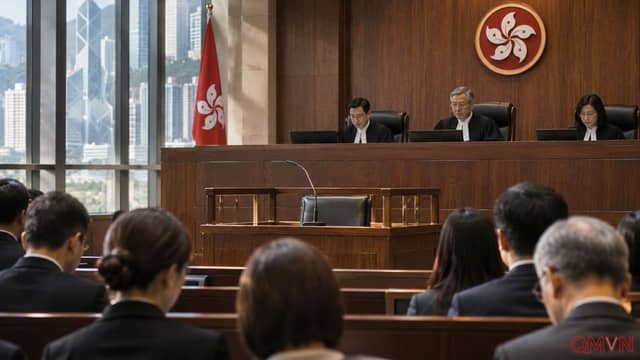
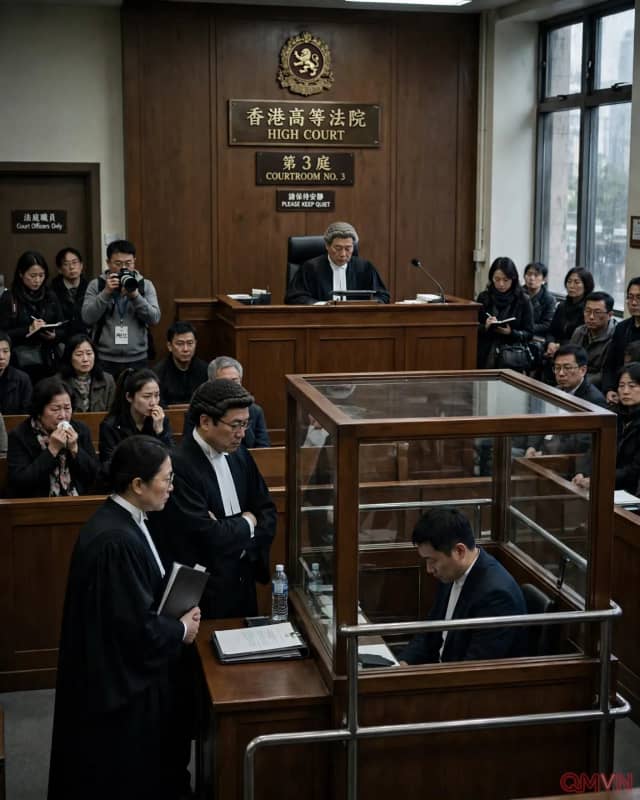
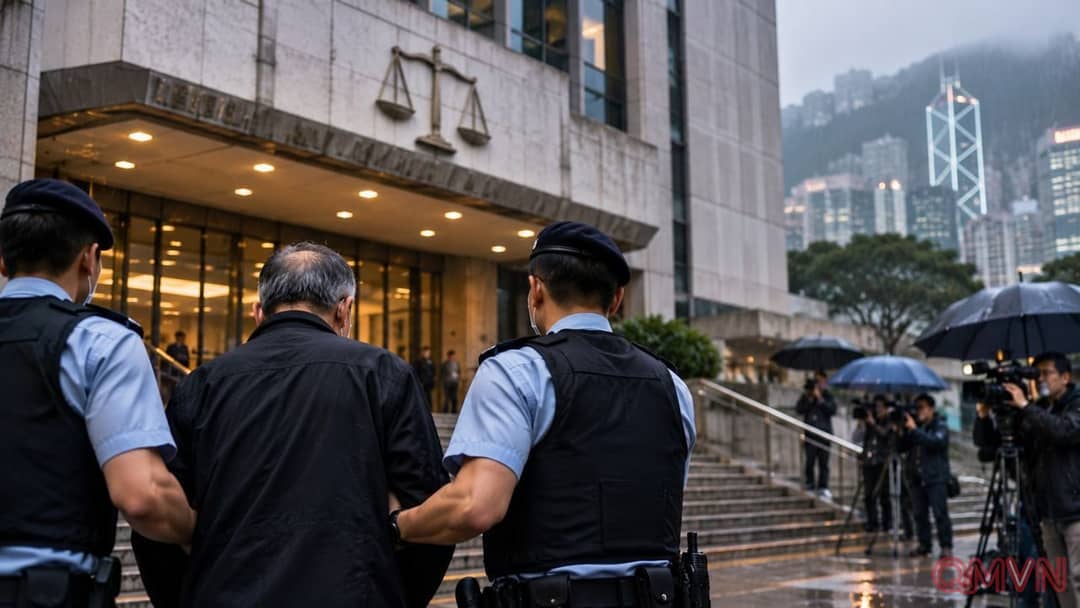
According to courtroom reporting by the South China Morning Post and Hong Kong media, Kwong Kau told the High Court that he personally decided what to do with Choi’s body after she died in a vehicle on February 21, 2023. That account represents a defendant’s testimony, not a judicial finding about the cause of death or the responsibility of any other person. The court must still evaluate it against the wider evidentiary record.
The distinction became especially important after October 30, when Kwong Kau changed his plea and admitted preventing the lawful burial of the body. He did not, however, admit murder, and neither did his sons. A case can therefore contain a guilty plea to one offence alongside a contested trial on another, because the conduct and legal elements that must be proved are different.
A father’s account and his sons’ testimony
Kwong Kau’s claim that Anthony and Alex were not involved in dismembering or disposing of the body was among the most consequential parts of Wednesday’s evidence. He also rejected the suggestion that he had influenced Anthony to give a compatible account.