MAIN ARTICLE
From exclusive seller to centralized observer
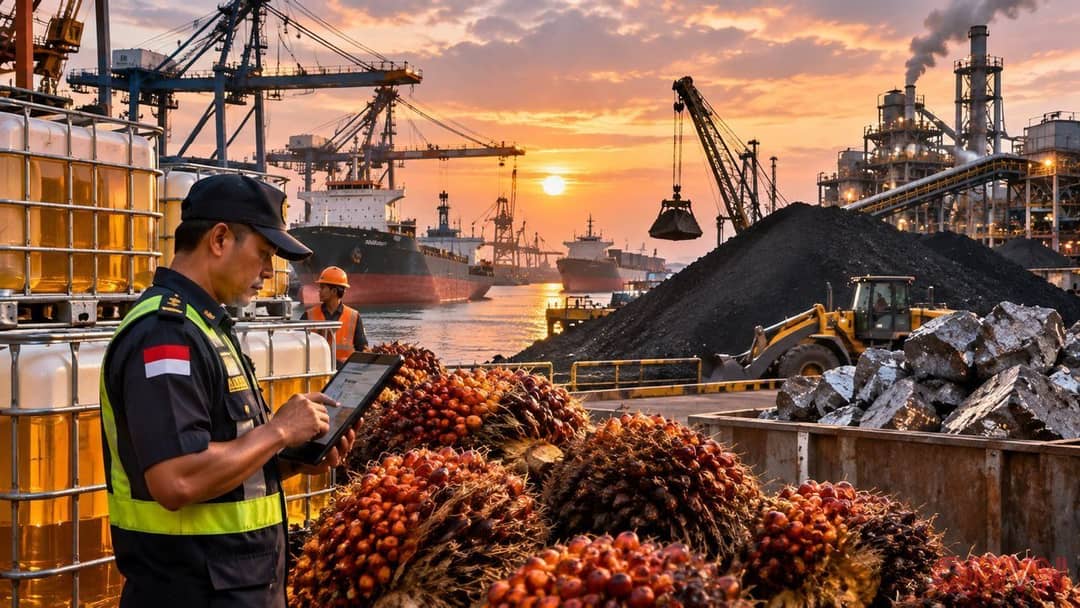
When Prabowo unveiled the policy in May 2026, his language was unequivocal: strategic resources belonged to the Indonesian people, and sales of palm oil, coal and ferroalloys should flow through a government-appointed state enterprise. The initial concept gave that entity a substantial role in export execution, price-setting and the commercial chain. Officials argued that the state had a legitimate right to know where raw materials went, how much they fetched and who ultimately received the proceeds.
The proposal nevertheless encountered the practical complexity of international trade. Export contracts may span months, buyers insist on specifications, and producers must respond quickly to changing prices and shipping conditions. Concentrating decisions in one organization threatened to introduce administrative delays and uncertain transaction costs. Reporting by The Straits Times, carried by The Jakarta Post in June, described an emerging preference for tighter supervision over the direct replacement of existing exporters.
By November, the evolving approach portrayed PT Danantara Sumberdaya Indonesia, or DSI, primarily as an information and verification gateway rather than the purchaser and reseller of shipments. Yet Regulation 24/2026 still contained provisions referring to a sole state export intermediary and was expected to be amended. The distinction matters: a policy explanation can reassure companies, but legal certainty requires clear implementing rules.