MAIN ARTICLE
When a power cut becomes a water shortage
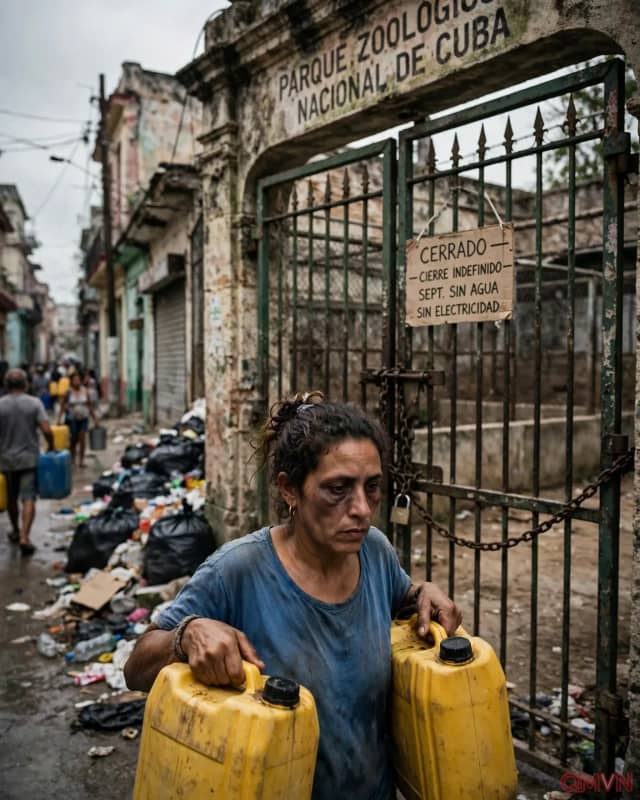
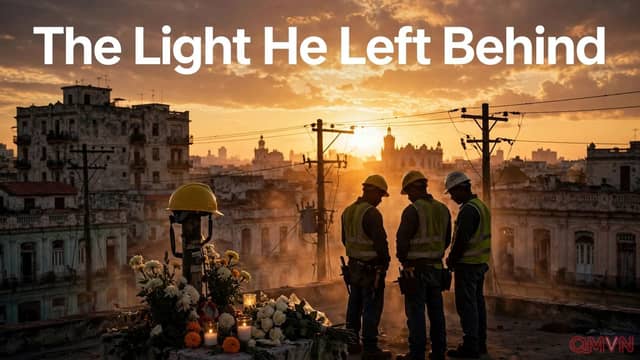
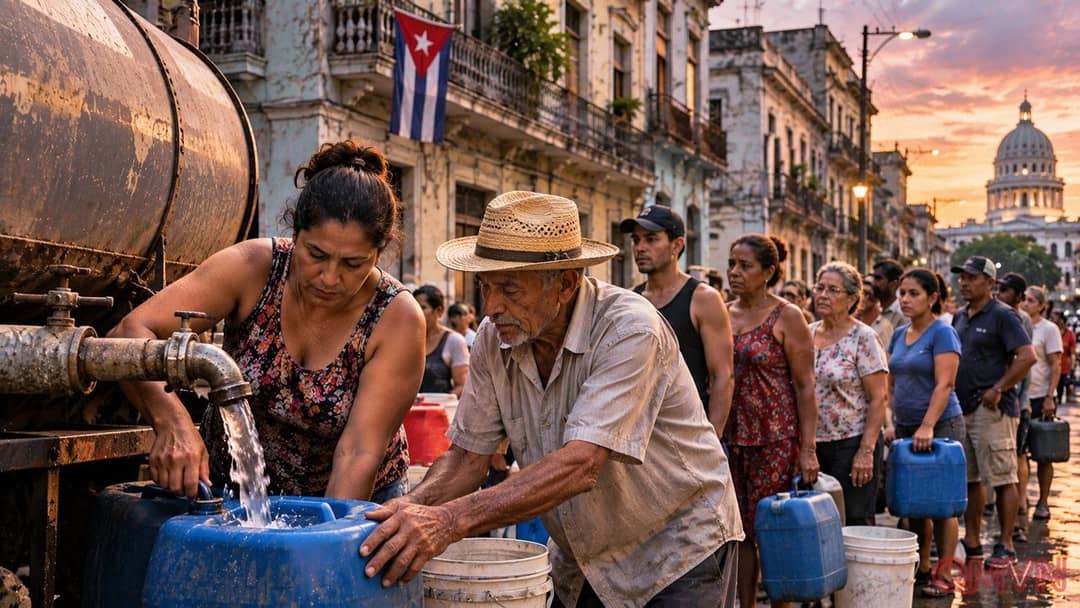
Electricity is indispensable to extracting, treating and distributing water across much of Cuba. When the national grid falters, pumping stations lose the energy needed to push water through pipes, and apartment buildings may be unable to lift supplies to rooftop tanks. That turns a blackout into a problem for sanitation, cooking and care for older or ill relatives. Rodríguez’s breakdown attributed roughly two-thirds of the reported disruptions to electrical causes.
The capital faced the largest reported concentration, with some 536,000 people affected in Havana. Officials also highlighted Santiago de Cuba, Holguín, Matanzas, Artemisa and Pinar del Río. These figures represent people whose network service was disrupted at a particular reporting point; they should not be interpreted as evidence that every affected household went entirely without water for an identical period.
An aging network and a crisis of accountability
Electricity is only part of the story. A quarter of disruptions were connected to broken pumping equipment, while aging pipes, leaks, missing spare parts and poor maintenance reduce the amount that reaches homes even when the pumps operate.