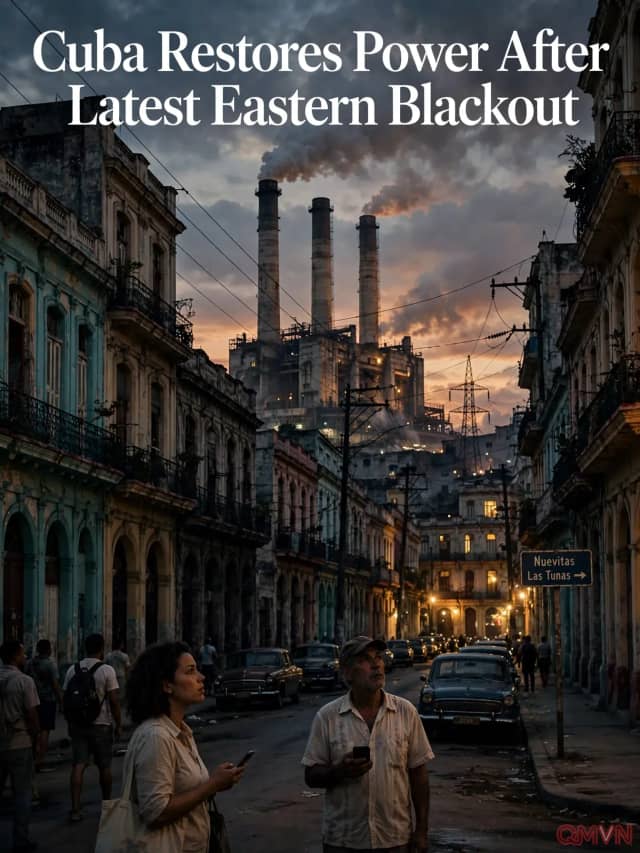
Ảnh minh hoạ do AI tạo
The Biggest Reform In Decades And What It Means For Families
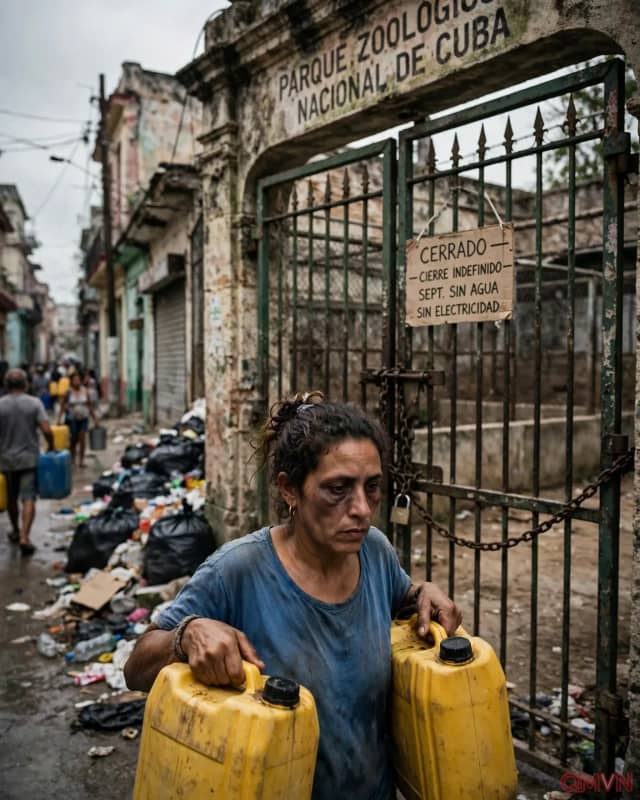
According to Business Recorder, foreigners can now invest in Cuban real estate and domestic companies can import and export without government intermediaries under reforms implemented this week aimed at ending a severe economic crisis. The free-market reforms had been unveiled in June by Cuba's communist leadership as the island faced economic freefall after five months of a U.S. fuel blockade.
These are among the most consequential of 176 economic reforms approved in June, Cuba's Deputy Minister of Foreign Trade Carlos Luis Jorge Mendez told USA TODAY in an exclusive interview in Havana. The government is also working on updating the Foreign Investment Law for discussion at the National Assembly in November, with goals of streamlining processes, simplifying procedures, reducing bureaucratic delays and responding to investor demands.
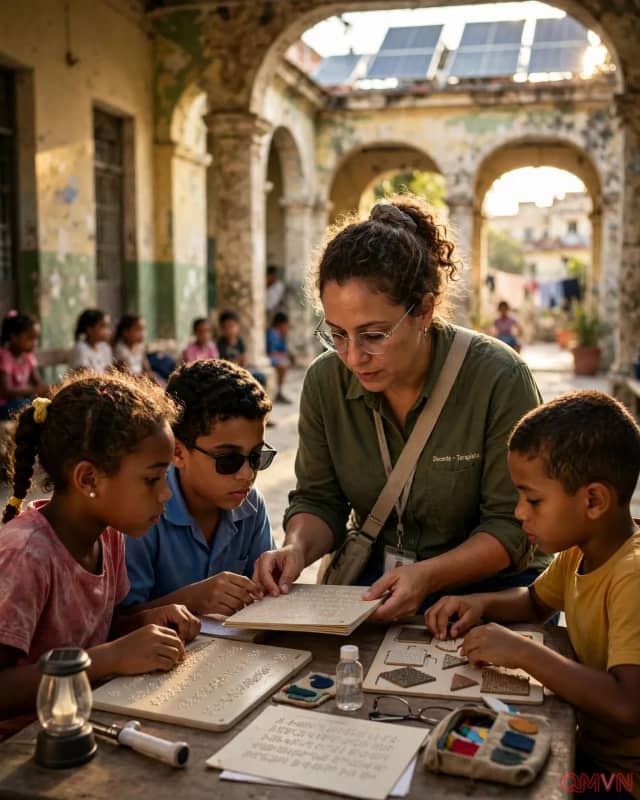
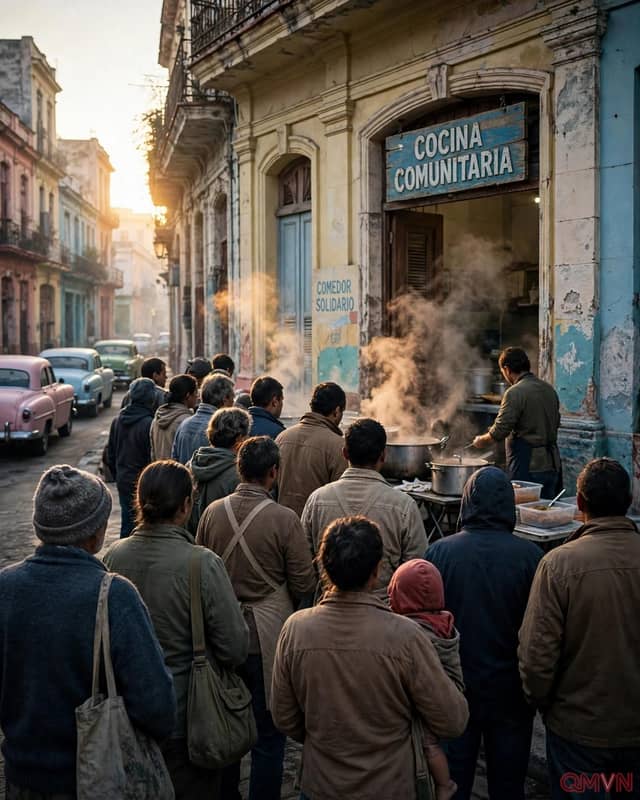
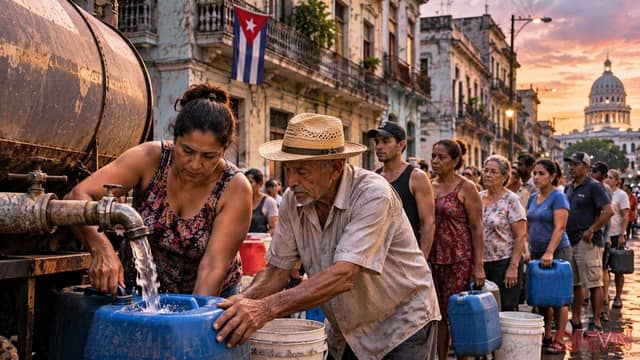
For people in Havana, the legal text translates into very human possibilities. A small shop owner in Centro Habana can now directly import goods, a family can partner with a foreign investor to restore their crumbling colonial house, a farmer cooperative can export mangoes without waiting months for approval. In streets lined with vintage cars and faded pastel buildings, conversations have shifted from scarcity to small plans: opening a cafe, selling crafts online, fixing a roof. Those small dreams are the real measure of reform, far beyond statistics and official statements.