The day parts of the web went dark
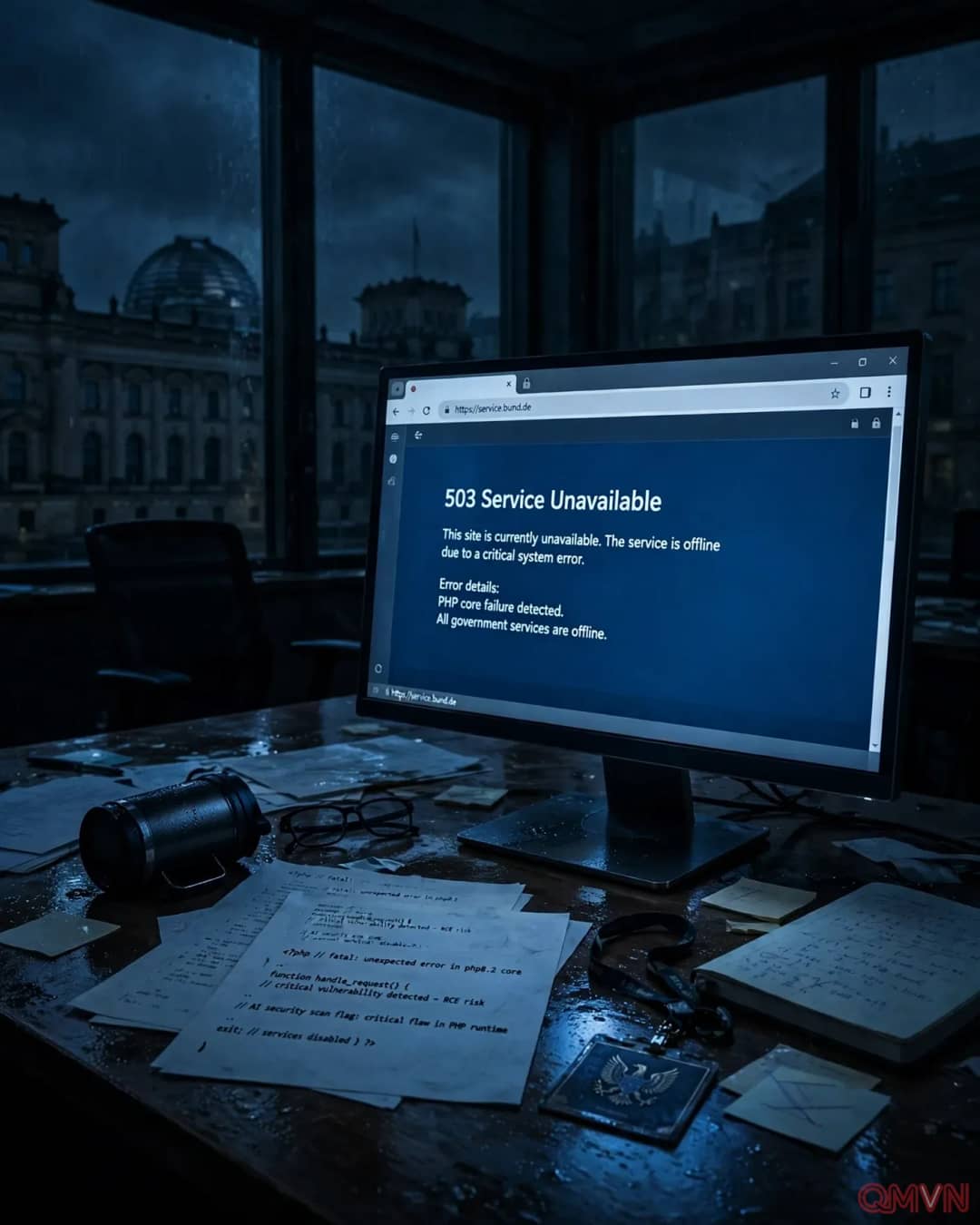
On Wednesday, visitors to Overheid.nl, the Dutch government’s main portal, found only an error page. They were far from alone. In the Netherlands, the Port of Rotterdam, the national football association KNVB, the five largest political parties and several hospitals followed the lead of the National Cyber Security Centre, which took its own site offline. France’s Interior Ministry placed all its websites into preventive maintenance, while in Finland, state IT provider Valtori shut down government public network services as a precaution.
The ripples spread far beyond Europe. Canada’s AI Minister Evan Solomon said some federal websites had been temporarily taken down on the advice of the country’s cyber security centre. The Wikimedia Foundation, which runs Wikipedia, took an unspecified number of systems offline, and the Internet Archive briefly went dark. Even Japanese Prime Minister Sanae Takaichi urged website owners on X to check whether their sites used PHP and to prepare to apply the fix.
A flaw hidden in plain sight for over a decade
PHP, created in the early 1990s and originally short for “Personal Home Page,” is the engine behind much of the public web. When someone loads a page, a server running PHP assembles the content and sends it to the browser. It underpins popular platforms such as WordPress, Drupal, Joomla and Magento, which is why any critical weakness in its core can ripple across millions of sites.