Two forces, one fire season
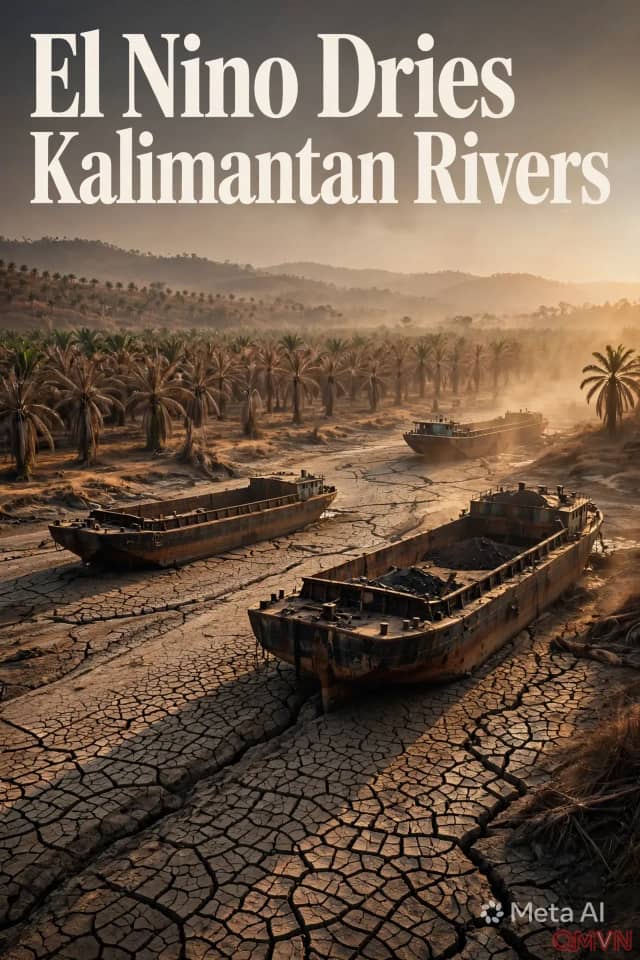
The WWA team examined rainfall, temperature and short bursts of hot, dry air in three regions of Sumatra, Borneo and Java. Their conclusion was that the two drivers played different roles. El Niño, the periodic warming of the tropical Pacific, choked off the rain. Global heating, meanwhile, pushed temperatures to records.
Human-caused warming made the heat between August and October about 1.6C hotter, while El Niño added about 0.3C. Observations hinted that climate change also trimmed rainfall by around 15 per cent, but models did not reproduce the effect, so the authors call that link uncertain.
El Niño turned off the taps, but fossil fuel emissions turned up the heat.
Air that drinks the land dry
The researchers also measured vapour pressure deficit, an indicator of how strongly the air pulls moisture from plants and soil. Sustained spells of this “thirsty” air often precede fires. Global warming made such spells about three times more likely, and El Niño about five times more likely. The scientists describe these estimates as conservative.