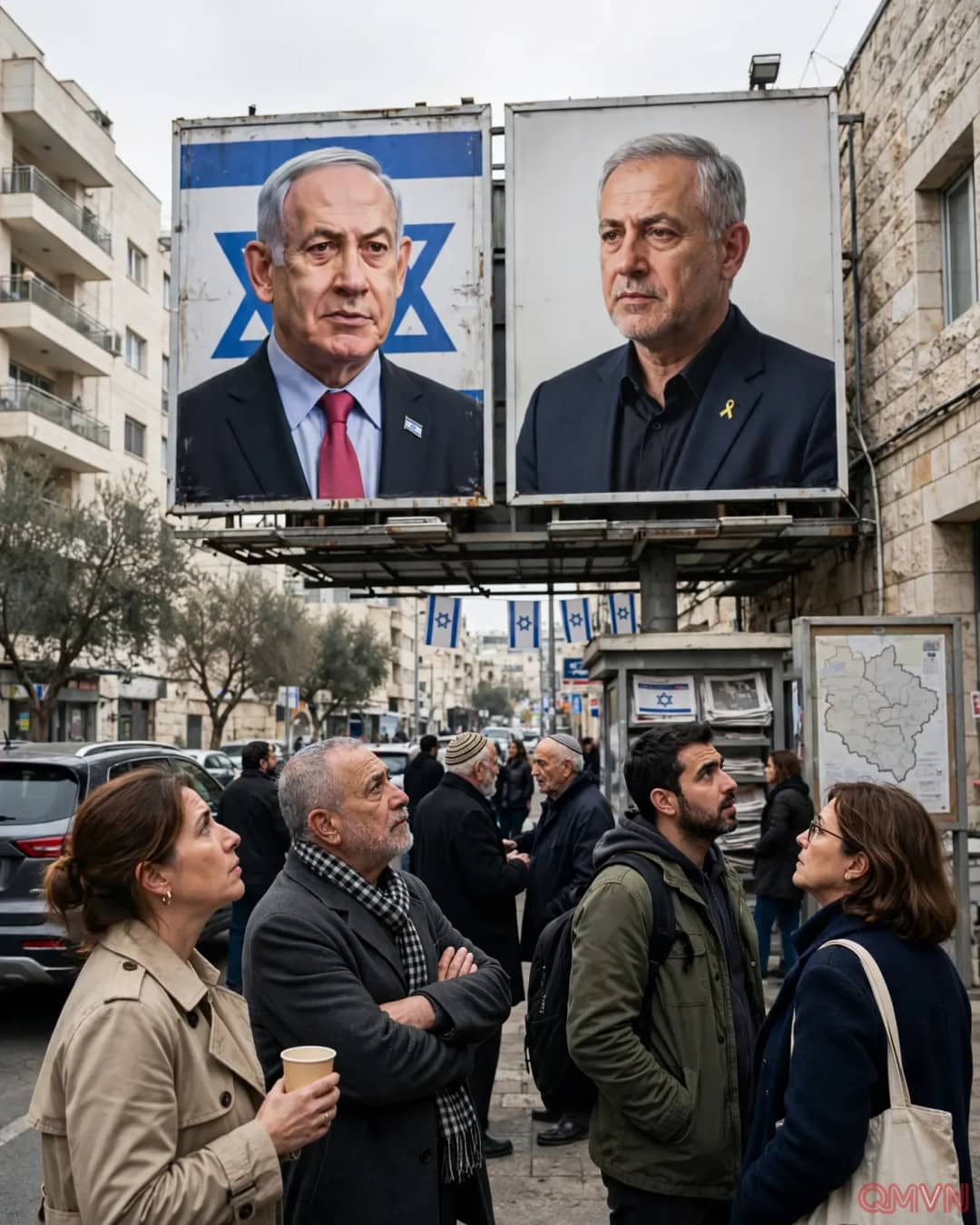
Two men, two styles
Netanyahu, 77, is a seasoned, camera-savvy political operator who has governed Israel for a total of 19 years. Eisenkot, 66, is a political newcomer known for his gruff bluntness – a lifelong soldier whose youngest son was killed fighting in Gaza. Born to Moroccan Jewish immigrants in the working-class city of Eilat, he served in the Golani infantry brigade and is regarded as the architect of the “Dahiya Doctrine,” which calls for striking urban areas with overwhelming force to deter militant groups.
It was Netanyahu who chose Eisenkot as military chief of staff. After October 7, though already political rivals, Eisenkot joined the emergency unity government and the war cabinet, then resigned months later, accusing Netanyahu of prolonging the war and sacrificing the hostages – a charge the prime minister denies.
Security positions that nearly overlap
Although analysts say he understands the limits and costs of military force, Eisenkot still takes tough positions. He has pledged to end Hamas rule in Gaza within 18 months, either through US President Donald Trump's peace plan or by force; supports building settlements in the West Bank while promising to crack down on settler violence; and opposes the establishment of a Palestinian state.