MAIN CONTENT
A visit as regional dialogue loses momentum
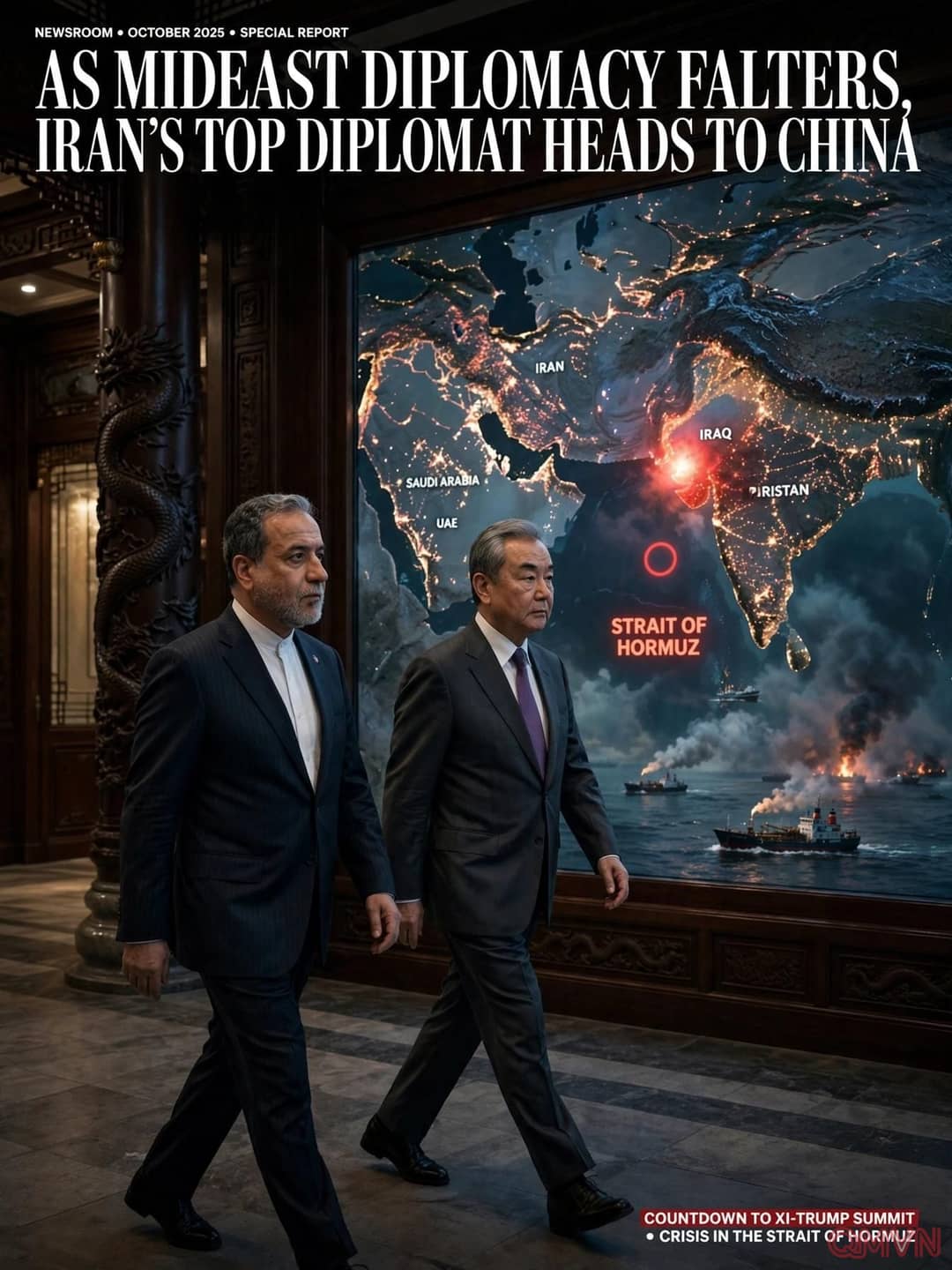
The expected meeting places Abbas Araghchi and Wang Yi before a complicated agenda. Iran wants to explain its position on the war, the conditions for reopening the Strait of Hormuz and its demands toward the United States. China is concerned with de-escalation, maritime safety and the stability of regional partners. Differences among the actors mean that no bilateral meeting can resolve the entire crisis on its own.
The visit nevertheless matters because dialogue preserves communication when other forums are struggling. A diplomatic channel can clarify limits, transmit proposals and reduce the risk of miscalculation. The immediate value may therefore lie in protecting room for negotiation rather than producing a dramatic agreement. In an environment of military pressure and distrust, keeping officials in contact is itself a practical form of risk reduction.
China has a direct stake in regional stability
China maintains economic and diplomatic relations with Iran while expanding cooperation with Saudi Arabia, the United Arab Emirates and other Gulf governments. This position gives Beijing access to several sides but requires careful balance. If China is viewed as aligning completely with one party, it could weaken the confidence required to encourage dialogue. Relationships create an opening, not an automatic mandate to mediate.