The Gulf braces itself
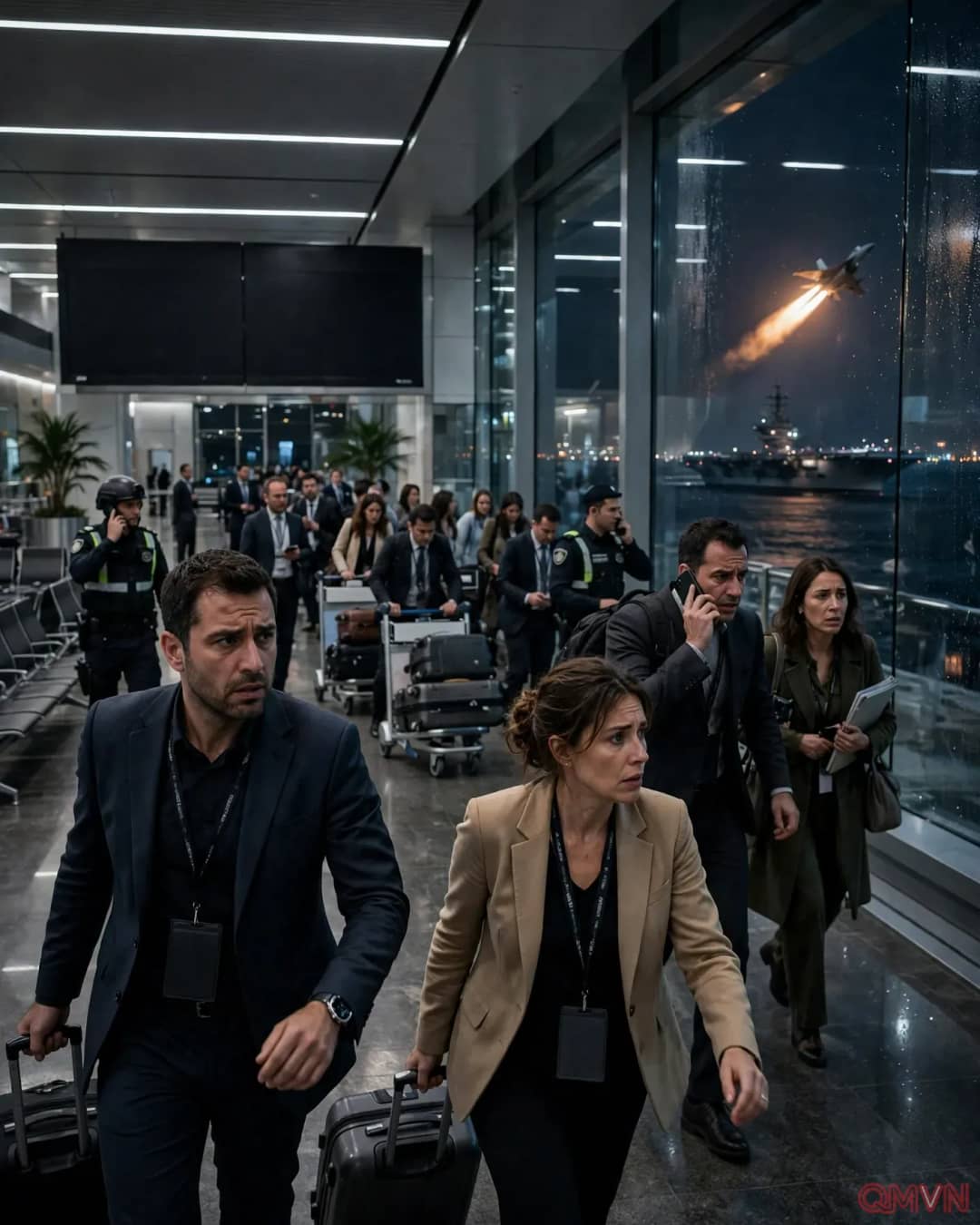
Gulf states fear they could face Iranian attacks more destructive than at the height of the war in March. Iran lacks the firepower to blunt US and Israeli airstrikes, so it has adopted a strategy of quickly raising the stakes by attacking its more vulnerable neighbors across the Persian Gulf. Precautions are already in place:
- Qatar and the United Arab Emirates have run security drills, including at airports.
- Attendees at a major energy conference in Abu Dhabi cut short their stays on the advice of their governments.
- Schools in Riyadh will remain online this week, and the Dutch and Belgian embassies warned that security conditions could deteriorate quickly.
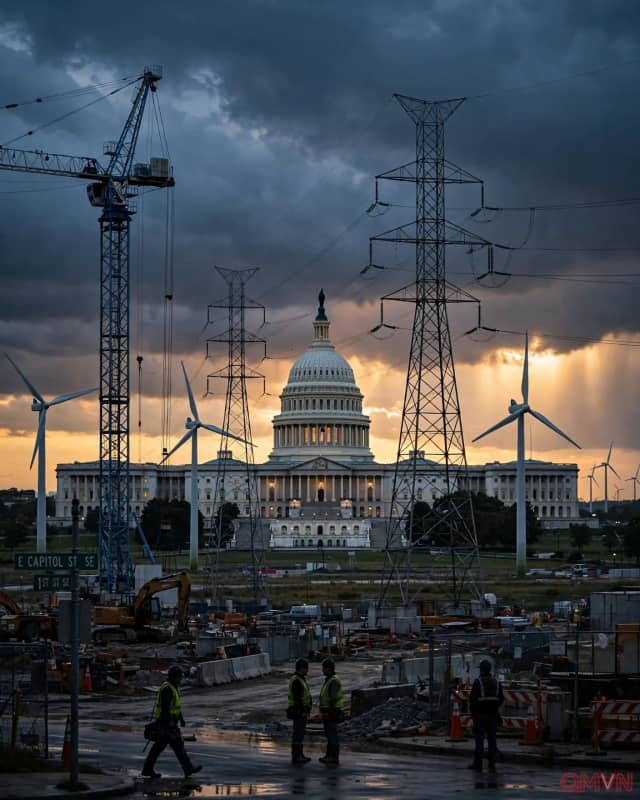
Washington weighs its options
According to The Wall Street Journal, Trump has been leaning toward a large postelection attack that could target Iranian infrastructure and nuclear sites, but has not decided. In a call on Saturday, he told Netanyahu, who pressed for strikes right after the election, that he wanted to give diplomacy a chance. The US military has restocked munitions, strengthened defenses, moved troops out of vulnerable bases and sent another Patriot system to Israel. The top US commander in the Middle East, Adm. Brad Cooper, briefed Trump in person on military options at the White House.