MAIN ARTICLE
Keys raised in protest: a personal crisis becomes public
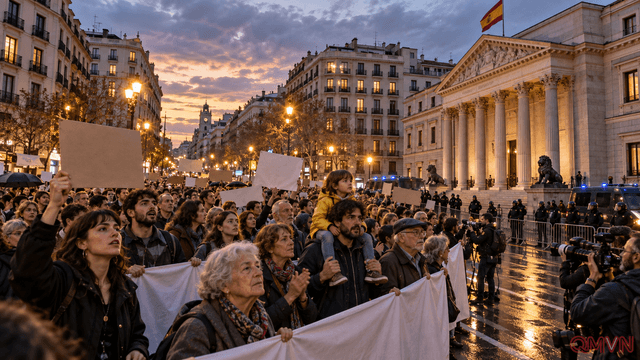
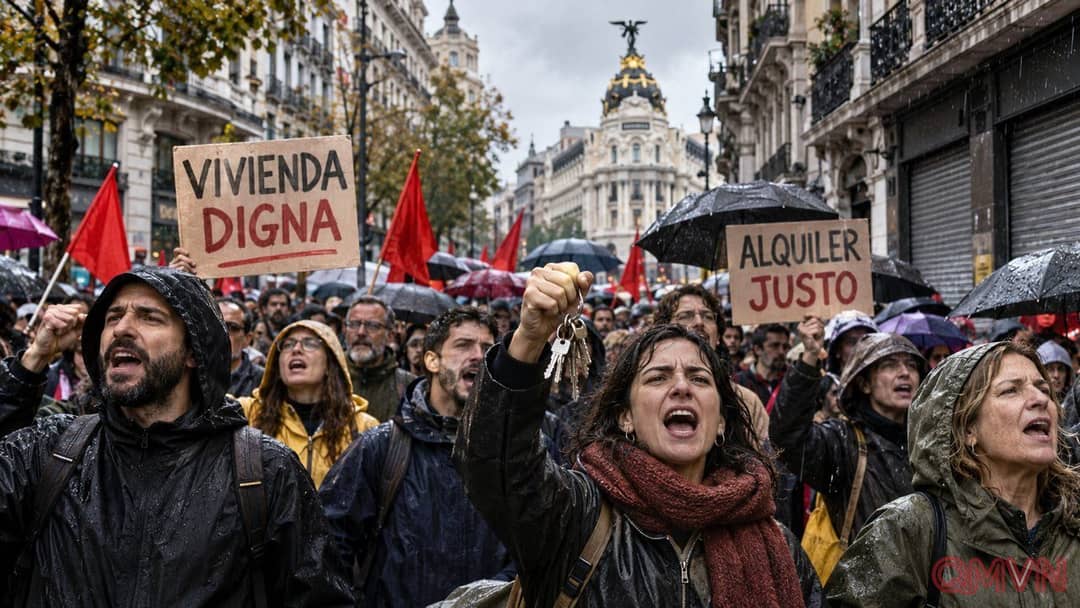
On Madrid’s Gran Vía, demonstrators rattled house keys above their heads, transforming an everyday object into a powerful emblem of exclusion. Shops lowered their shutters as marchers approached. In Barcelona, protesters gathered through difficult weather to demand housing that ordinary paychecks can support. The simple act of holding up a key asked an uncomfortable question: what does the promise of employment mean if its reward does not include a realistic place to live?
Jesús González, a 36-year-old hospital information-technology employee, told Reuters that he still could not afford to live on his own as rents and home prices continued climbing. His experience speaks to a problem extending beyond unemployment or extreme poverty. Workers with relatively steady jobs increasingly encounter the same obstacle. Housing costs can determine whether people relocate for work, establish families or save for emergencies, making affordability a broader question of social mobility.
A strike that interrupted everyday life
UGT and CCOO claimed participation reached 90% at some ports and automobile facilities, with stoppages reported at Volkswagen operations in Navarre and SEAT facilities in Barcelona. Grid operator Red Eléctrica recorded an electricity-demand drop of as much as 15.5% during one morning interval.