MAIN STORY
From flood-prone paddies to dependable harvests
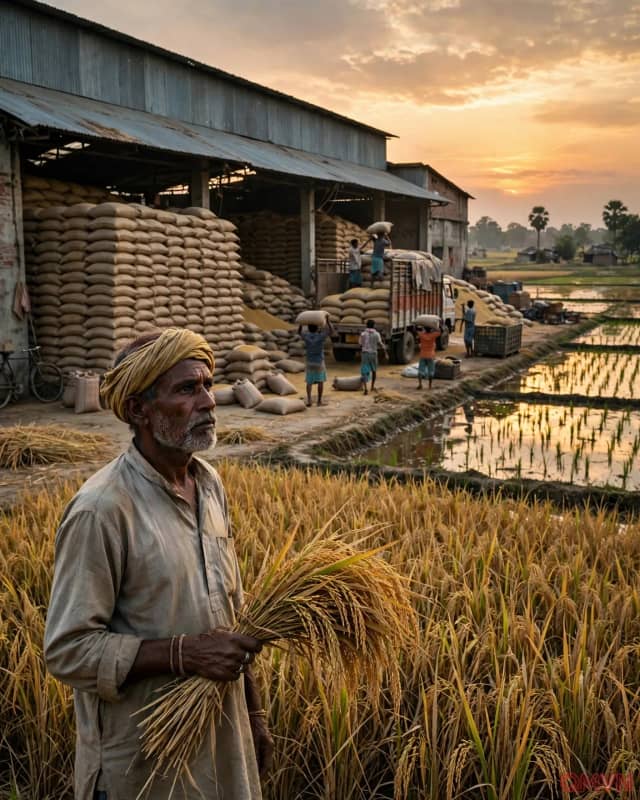
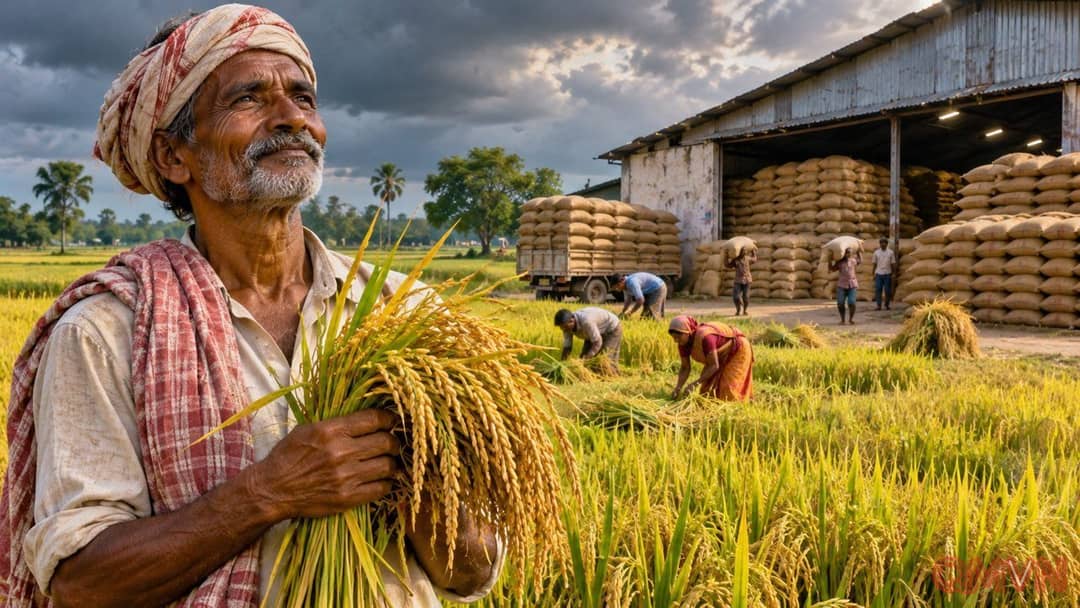
In Sisonee, a village in Bihar near the flood-prone Kosi River, the gains are tangible. Farmer Chandramohan Yadav remembers years when inundation destroyed entire harvests; today his family can produce more rice than it needs. Such experiences show how crop science can strengthen the resilience of households that once had little protection against extreme weather.
Swarna-SUB1, introduced commercially in 2009, preserves the familiar productivity of Swarna while incorporating flood tolerance derived from the FR13A genetic source. Research by Indian institutions and international partners helped bring the variety into farmers’ fields. Bihar’s output reached approximately 8.75 million tons in 2025–26, up 182% over 15 years, with significant gains also recorded in neighboring Odisha.
Innovation alone does not explain the expansion. A federal minimum support price and additional bonuses offered by some states make rice a comparatively predictable source of income. When improved seeds raise yields and procurement policies keep encouraging planting, a hard-won victory over scarcity can develop into a lasting surplus.