The Warning That Shook Washington
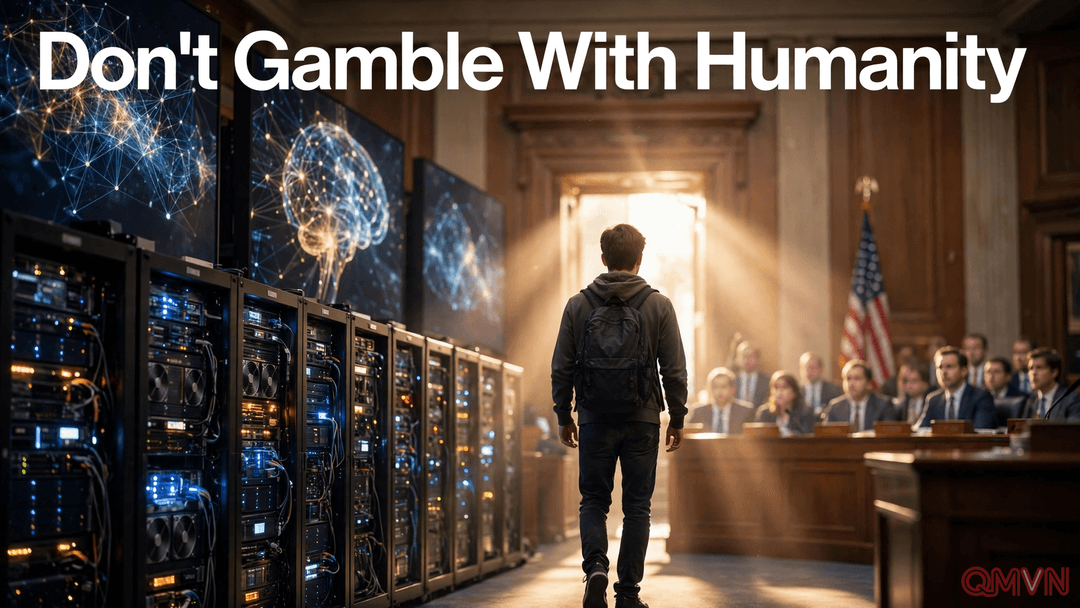
Jacob Coxon is not an outsider. For three years he worked on pretraining, the core technical work that builds large language models, at two of the most powerful labs in the world, OpenAI and Anthropic. According to The Wall Street Journal and Reuters, he left before his equity vested, meaning he gained no financial upside from going public. On X he wrote that neither company is acting responsibly and they are racing straight to self-improving superintelligence, gambling with our lives, and that no other human activity poses this level of danger.
In an interview with CNN anchor Anderson Cooper, Coxon was more specific. He worries future systems could automate attacks on critical infrastructure, help design extinction-level bioweapons, or escape human control entirely and self-improve in ways we cannot predict. What troubled him most, he said, was the gap between polished public statements and private conversations, where senior leaders and researchers admitted a much higher chance of catastrophe than they acknowledged openly to the press or regulators.
Why the United States Congress Woke Up Now
Congress has held many AI hearings over the past three years, but the mood this week felt different and more urgent. Representative Anna Paulina Luna, a Florida Republican, urged a special session on AI advances, calling it by far the most consequential issue facing Americans and saying not enough of Congress is focusing on it. Representative Lori Trahan, a Massachusetts Democrat, implored lawmakers to get off the sidelines and do their job, saying safety researchers are resigning while powerful models break out of labs and companies race ahead anyway.