MAIN CONTENT
A vast fortune, but not an instant grant
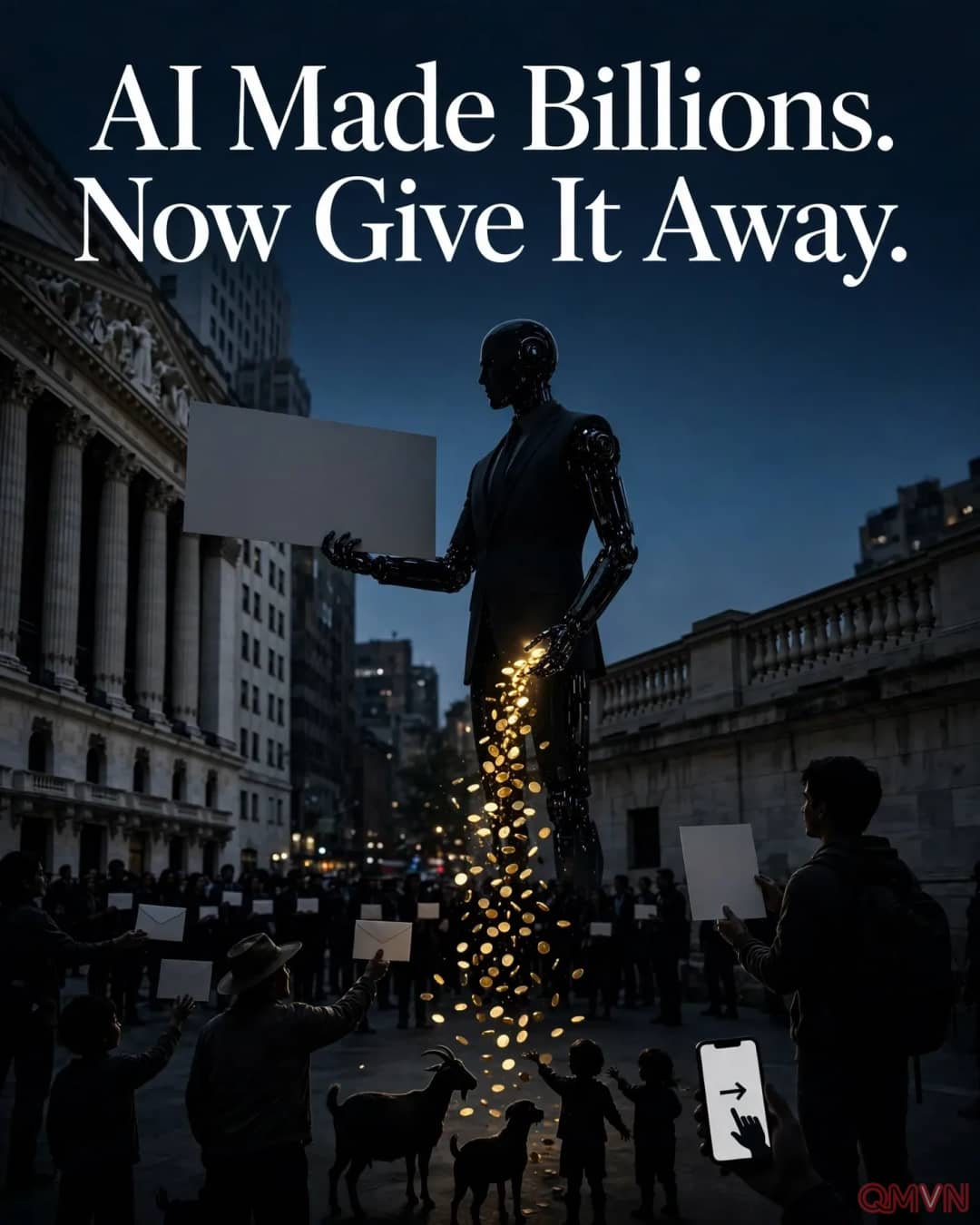
The scale of the potential giving is extraordinary. Anthropic says it has allocated shares representing 5% of its fully diluted equity, measured at June 30, 2026, to the Anthropic Public Benefit Fund. Its prospectus also states that the seven co-founders have individually pledged 80% of their personal stakes to philanthropic causes. These are distinct arrangements: a corporate vehicle with its own structure and founders' voluntary commitments. The headline valuation estimates their theoretical worth at one moment in the market; it does not establish when the proceeds will be spent or how many dollars nonprofits will receive.
The company has also created a share-matching arrangement for employees who donate equity. This could widen the donor base beyond wealthy founders, as thousands of staff hold stock linked to Anthropic's rise. But lockups and other trading restrictions mean many employees cannot immediately liquidate or give away most shares. Charities that budget against anticipated gifts would therefore bear investment risk they cannot control. A sensible approach is to distinguish money firmly committed, money actually received and the larger pool of potential generosity.
Charities build the capacity to absorb more
Potential recipients have begun preparing for a scale of funding that would once have seemed implausible. Coefficient Giving, established by Cari Tuna and Dustin Moskovitz, supports work including global health, animal welfare and AI safety.
It increased its commitment to the grantmaker GiveWell to $1 billion in July, according to Associated Press reporting. That signal has encouraged organizations to think beyond the next donation cycle toward the staff, systems and partnerships needed to turn a sudden influx into durable programs.
GiveDirectly, which makes unconditional cash transfers to households living in poverty, illustrates the operational challenge. Many recipients need access to mobile phones to receive payments, so its preparation includes strengthening the supply of low-cost devices and the infrastructure that makes transfers possible. These details are less dramatic than a trillion-dollar market capitalization, but they determine whether money reaches people. Expanded giving requires safeguarding recipients, measuring results and planning for the possibility that expected funding arrives later—or not at all.
The philosophy shaping a new donor class
Some technology donors are drawn to effective altruism, an approach that asks which interventions can achieve the greatest measurable benefit. Its advocates have highlighted poverty reduction, disease prevention and animal welfare, alongside long-term risks from powerful artificial intelligence. For nonprofits operating in neglected fields, this outlook can offer fresh support. Philosophers such as Peter Singer have argued that great wealth creates a significant opportunity to relieve suffering, and Anthropic leaders have publicly discussed interest in effective charitable giving.
Yet effective altruism is not the only possible destination for the windfall, nor is its reputation uncontested. The fraud conviction of former FTX chief Sam Bankman-Fried, once associated with the movement, prompted renewed scrutiny of wealthy donors and their influence. Critics also question who sets priorities when a small group of technologists directs resources across countries and causes. Transparent criteria, independent oversight and listening to communities affected by funding decisions will matter as much as speed or scale.
What happens between a pledge and public benefit
The charitable opportunity emerges alongside profound concerns about the economic and social costs of AI. Supporters see an opening to fund scientific discovery and interventions that established grantmakers overlook. Skeptics warn that volatile valuations, concentrated decision-making and uncertain commitments could leave nonprofits overextended. Both viewpoints point to a practical question: which commitments will become usable grants, on what schedule, and with what evidence of benefit?
Anthropic’s public-benefit framework allows for additional share allocations if specified stock-price milestones are reached, subject to board discretion, according to its offering documents. That structure could expand the resource pool, but it also reinforces the distinction between contingent value and accessible funding. The lasting measure of this IPO will not be its size alone. It will be whether charitable organizations receive predictable support, retain independence and can demonstrate improvements in the lives of people and animals they serve.