MAIN ARTICLE
A report, not yet a complete breach assessment
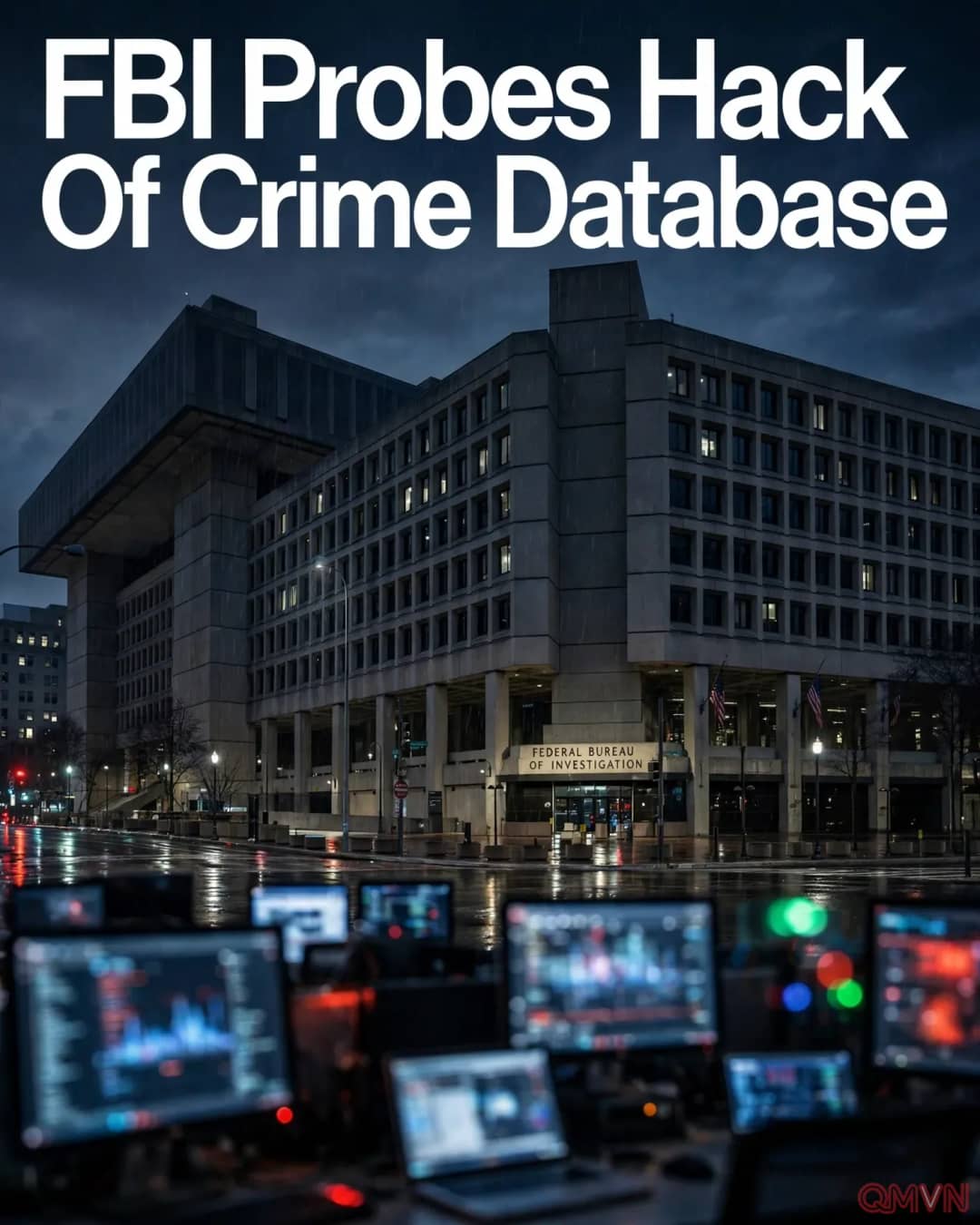
The Associated Press reported that an individual familiar with the matter confirmed an FBI investigation into an apparent compromise of NCIC. CNN had first reported the incident. The person spoke anonymously because they were not authorized to discuss the investigation publicly. The FBI declined to comment when approached by AP, leaving key operational questions unanswered. There has been no public confirmation of the identity of an intruder, the route of entry or the quantity of information potentially affected.
The distinction matters. A suspected intrusion may lead investigators to discover unauthorized access, an unsuccessful attempt, or a problem affecting only part of an interconnected environment. Without technical findings, descriptions of a nationwide data theft or of disrupted police operations would go further than the evidence permits. The latest reporting establishes that officials are investigating; it does not establish the ultimate impact.
Why the NCIC matters in everyday policing
The National Crime Information Center is a longstanding information-sharing service operated by the FBI through its Criminal Justice Information Services division. Authorized local, state and federal agencies use it to query records concerning fugitives, missing people, stolen vehicles and other criminal justice matters.
The FBI describes NCIC as a vital law-enforcement resource, reflecting how routine checks can depend on a nationally connected record system.
Because the database connects many jurisdictions, its protection involves more than guarding a single server. Access controls, user authentication, monitoring, the accuracy of contributed records and secure links among agencies all matter. If information were improperly exposed, the consequences could include privacy risks; if records were manipulated or unavailable, they could potentially complicate field decisions. Those are possible categories of harm, not findings about this particular episode.
A cybersecurity question with a human dimension
An FBI privacy impact assessment describes a system capable of containing detailed personal identifiers, including names, dates of birth, identification numbers, addresses and, depending on the record, other biographical characteristics. That does not mean such information was taken in the reported incident. It explains why authorities must be precise about any eventual assessment of what systems and data were touched.
For individuals named in law-enforcement databases, errors and disclosure can have tangible consequences. For frontline officers, confidence depends on knowing that a query returns reliable information. Responsible communication must therefore avoid both undue reassurance and premature alarm. Investigators will need to establish whether an unauthorized party entered the system, what permissions were involved and whether data integrity or availability was affected.
Transparency without compromising an investigation
Asked about the reports in a Fox News interview, Trump said the government had recently learned of the matter and that it was 'not good.' His response conveyed concern but did not add technical detail. A public explanation, when available, should clarify the timeline, the systems involved, mitigation steps and whether other agencies need to act, without publishing information that could assist a further attack.
This event should not automatically be linked to recent digital outages in government and private-sector systems. Officials had attributed some of those disruptions to maintenance and security upgrades, and AP reported no immediate evidence connecting them to the NCIC case. The central question now is narrower and more urgent: what can investigators substantiate, and what safeguards will be strengthened in response?