MAIN CONTENT
An industry-wide appeal, not just a truckmakers’ request
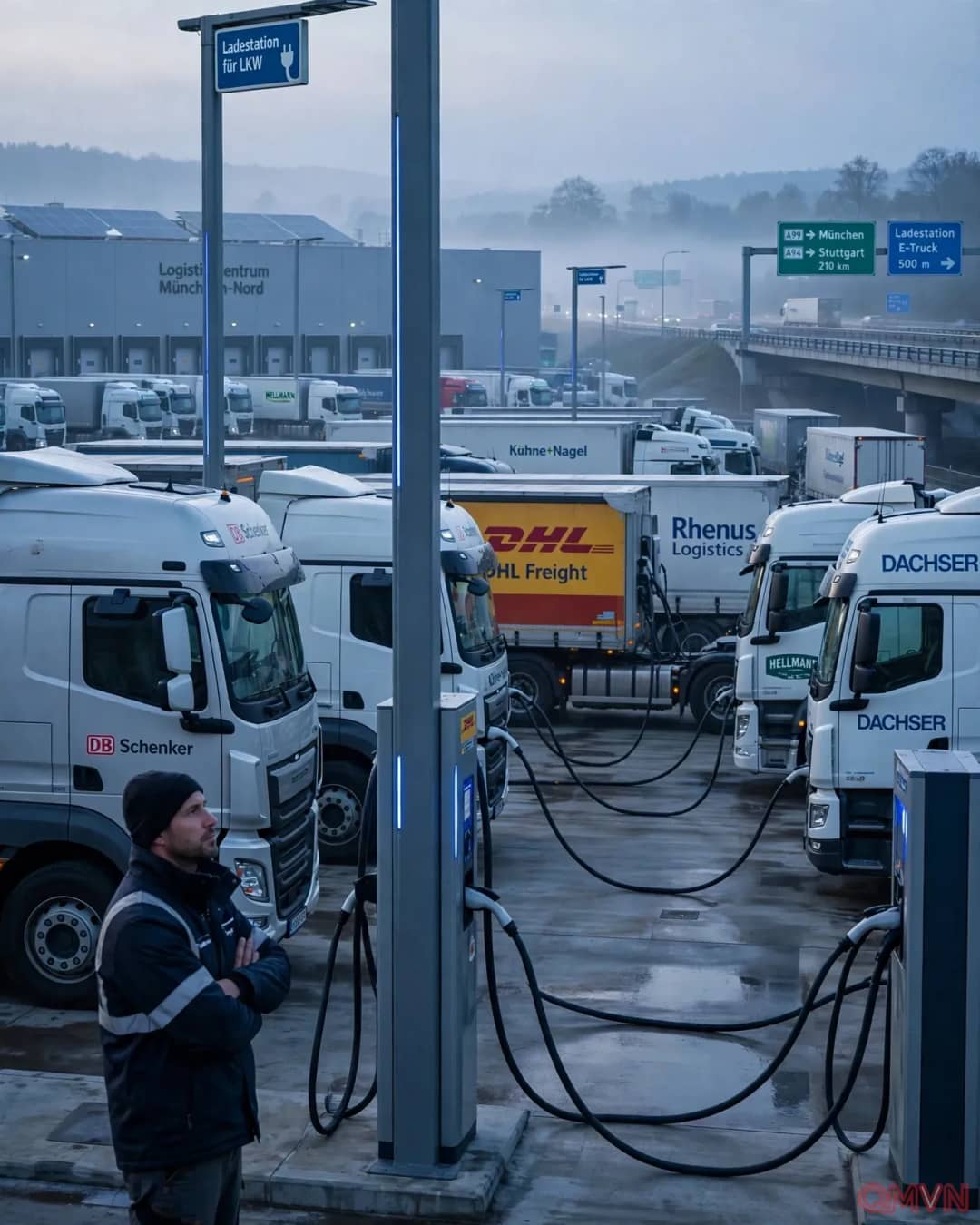
The distinguishing feature of the appeal is its breadth. Manufacturers, fleet operators, battery suppliers, utilities and charging providers are asking policymakers to consider an entire supply chain rather than the vehicle alone. An electric truck only becomes a viable commercial proposition when trucks can be supplied, routes are supported by chargers, power arrives on time and customers accept the costs of delivery.
Traton faces decisions about vehicle technology and factories. Amazon has a stake in reducing emissions from logistics operations. Milence approaches the issue from the stops where trucks must recharge. Their common message is that a purchase incentive for a truck cannot by itself coordinate all the investment required to keep freight moving.
WSP Research estimates, as cited by Reuters, that a faster transition could add about €9 billion in yearly EU economic value in 2035. Value added in electric-truck manufacturing within the bloc could be 24% higher, equivalent to roughly €2.5 billion, compared with a slower pathway. Such estimates rely on assumptions about demand, domestic supply and investment timing; they should not be mistaken for money already earned.