A dinner that was “too comfortable”
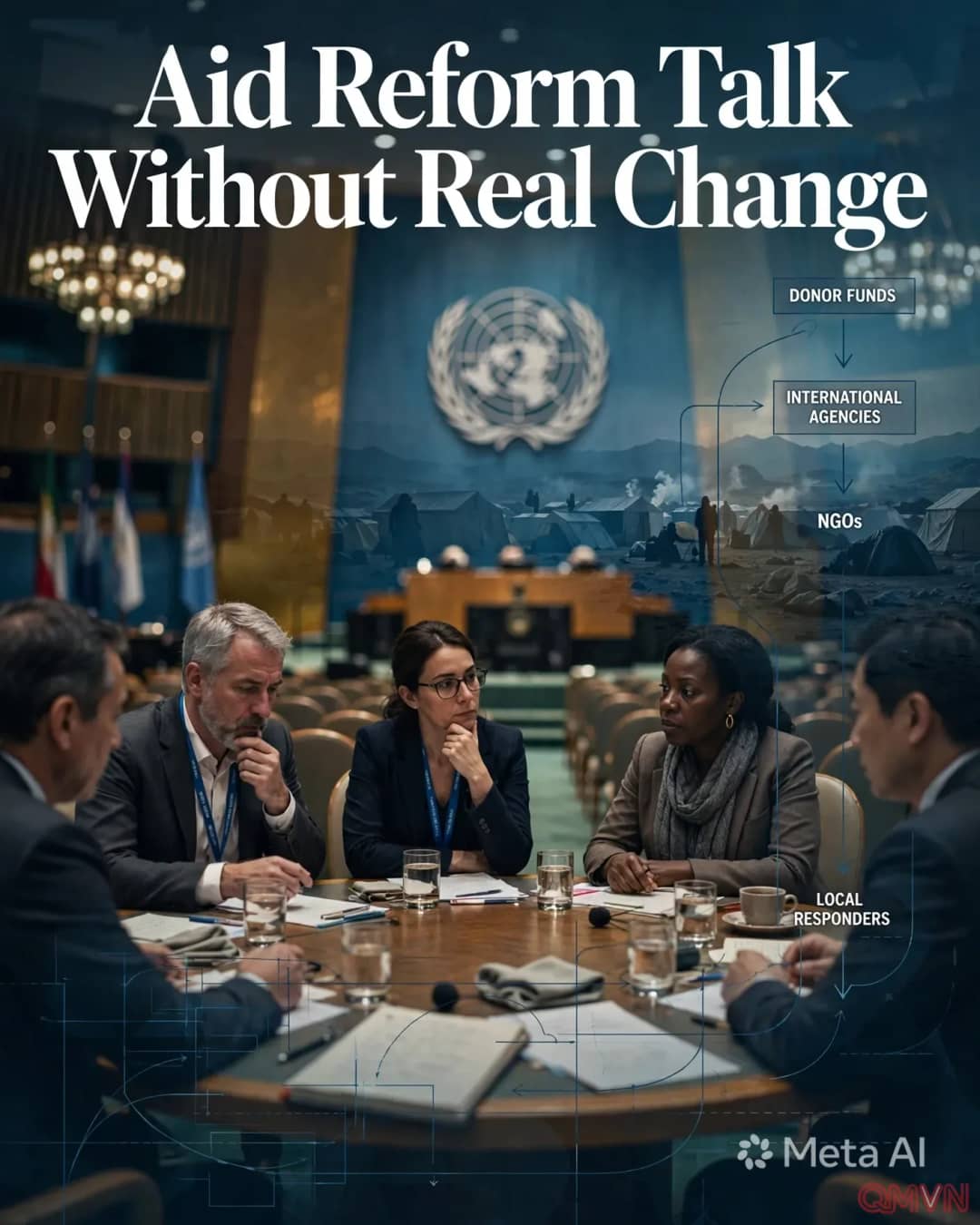
Last month, on the sidelines of the U.N. General Assembly, Paul Spiegel attended a high-level dinner on the future of humanitarian leadership, with senior U.N. officials, donor governments, heads of international aid agencies and aid leaders from crisis-affected countries. The moderator promised a frank and open discussion.
“We did not get one. We got a celebration.” — Paul B. Spiegel
According to him, speakers praised progress, conceded there was still far to go and thanked one another, making the event feel more like a reunion than a reckoning. With more than 30 years in humanitarian health, from NGOs in the field and the U.S. Centers for Disease Control and Prevention to senior leadership at the U.N. refugee agency, he concludes that the system is “superb at discussing its own reform and incapable of carrying it out.”
A humanitarian system in upheaval
The American retreat from aid has torn through a sector already overwhelmed by war, hunger and displacement. Some notable figures:
- This year, the U.N. estimates that 239 million people need humanitarian aid, aims to reach 135 million and has made only 87 million its immediate priority.