MAIN ARTICLE
A Malaysian facility exposes a regulatory blind spot
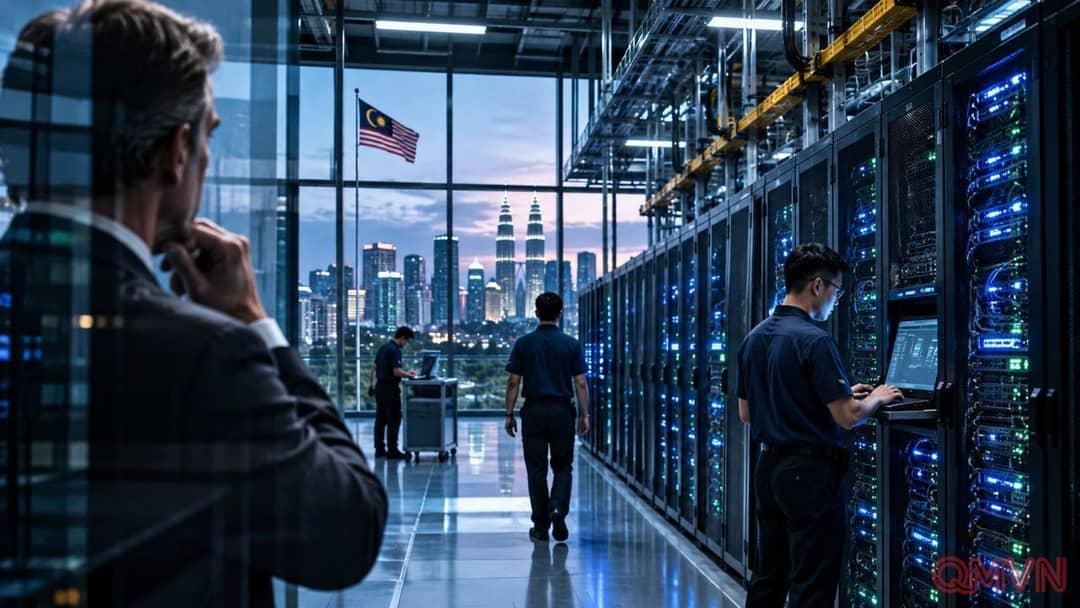
US export controls have traditionally focused on the movement of physical equipment, including Nvidia processors powerful enough to train sophisticated AI models. Cloud computing complicates that approach. A server can sit in Malaysia while a customer elsewhere rents its processing capacity. The hardware never crosses a border, but the economic and technological benefit of using it can. Distinguishing a legitimate international cloud service from access that undermines export restrictions requires a different kind of oversight.
Bitdeer plans to bring its A201 data center in Johor Bahru online in 2027. In a September 29 corporate announcement, it said customers had committed to more than 70 percent of the roughly 21.7-megawatt facility, representing over $1.7 billion in expected revenue over five years. The New York Times reported that Tencent could be a customer, citing a person familiar with the arrangement. That identification has not been publicly confirmed by Tencent.
The figures explain why seemingly technical regulatory choices can influence multiyear contracts, electricity infrastructure and decisions by investors. At stake is not just where cutting-edge chips are sold but where their computational value is delivered, and whether governments can reliably identify who ultimately uses it.