MAIN ARTICLE
When steel production stops, the damage spreads
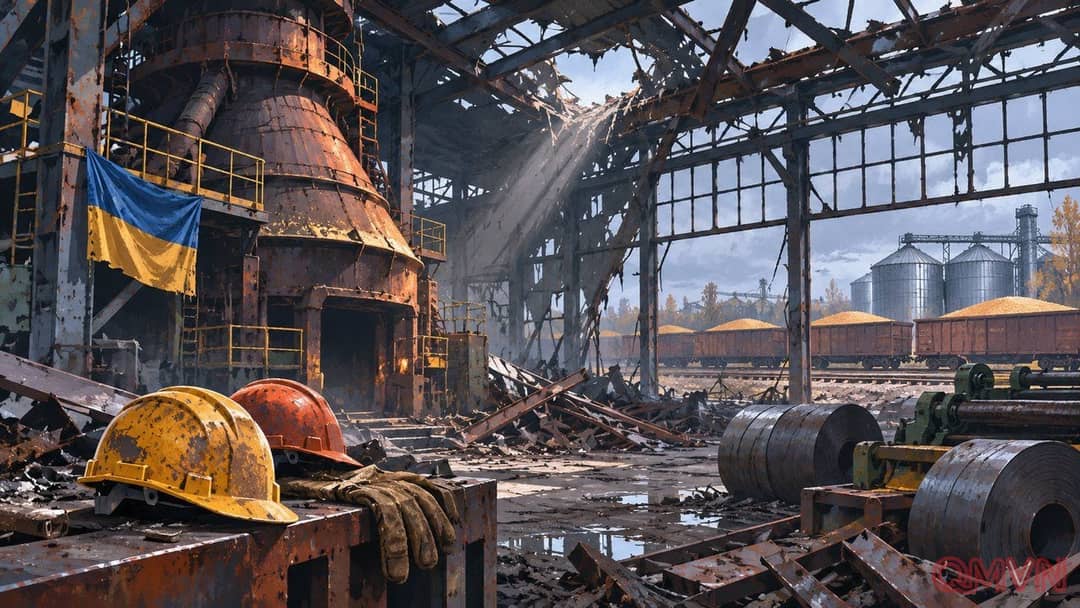
At the industrial city of Kamianske, Kamet Steel once served as a major link in Ukraine's metallurgical economy. Five ballistic missiles hit the site on September 5, 2026, halting operations, according to reporting by the Associated Press. The plant had supplied more than a quarter of national steel production in 2025. Its shutdown cannot be measured simply by tonnes of lost metal: construction companies, mines, engineering businesses and transport operators depend on industrial production remaining connected.
Kamet Steel chief executive Oleksandr Tretyakov warned that firms tied to the plant could face job losses and insolvency. The national railway operator Ukrzaliznytsia also depends on steel and other bulk freight for revenue. Steel once anchored important sections of Ukraine's industrial exports. Restarting a furnace requires much more than repairing physical damage: stable electricity, qualified workers, functioning customers and safe distribution routes are also essential. A factory can be rebuilt faster than the relationships that make it viable.
A shrinking maritime outlet for an abundant harvest
Agriculture supplies a substantial share of Ukraine's foreign exchange, yet the journey from field to buyer has become increasingly uncertain. Lloyd's List Intelligence figures cited by AP suggest that only 21 vessels arrived at Ukraine's Black Sea ports in August 2026, around 90% fewer than a year earlier.