MAIN CONTENT
Safe-haven appeal lifts the greenback amid a tech stock retreat
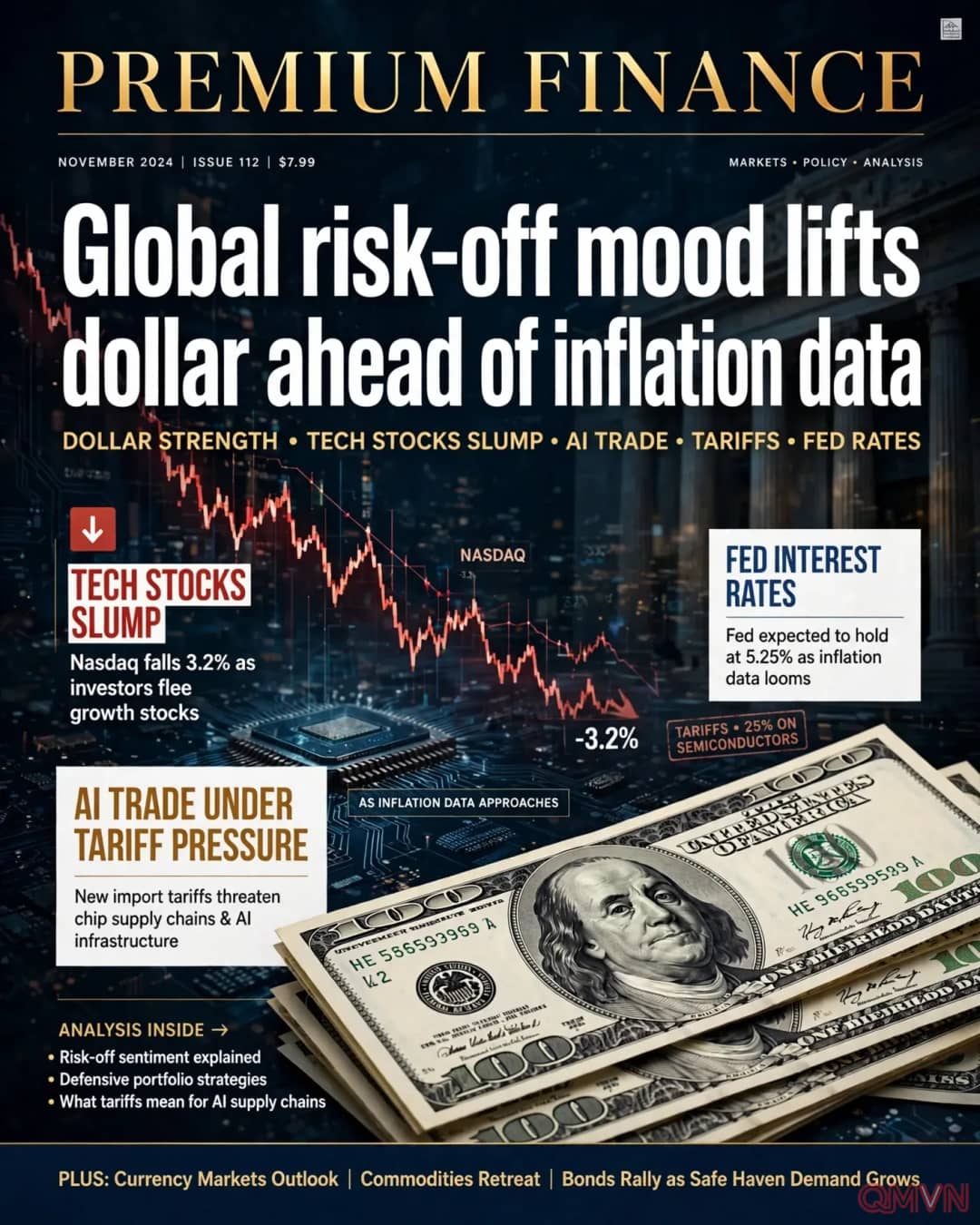
The US dollar index (DXY), which measures the greenback's strength against a basket of six major peers, climbed 0.2% to 104.01, clawing back a significant portion of its 0.44% decline from the previous session. The primary catalyst driving capital back into the US currency was a swift reversal on Wall Street, where heavyweight technology shares headed for a second consecutive day of losses. Initial optimism earlier in the week sparked by news of Jensen Huang returning as Chief Executive Officer of chipmaker Nvidia rapidly dissipated, replaced by deeper investor scrutiny over stretched valuations and the long-term return on massive AI capital expenditures.
As risk appetite deteriorated across asset classes, global funds rotated swiftly into traditional defensive currencies. Alongside the US dollar, the Swiss franc gained 0.6% to touch a two-week high of 0.8309 per dollar, while the Japanese yen held steady near 159.22 per dollar after official data showed Japan's service-sector inflation jumped 4.2% year-on-year in October, reinforcing expectations of a near-term Bank of Japan rate hike. Conversely, currencies closely tied to global growth and commodity cycles suffered steep losses, led by the Australian dollar sliding 1% to $0.6575—its weakest level in nearly a year—even though domestic Australian consumer prices rose faster than forecast.
"If you look at the spillover impact in FX, you can see that the Australian dollar has been hit the hardest by the selloff in risk assets, whereas more traditional safe-haven currencies such as the Swiss franc, the yen and US dollar have outperformed overnight" — Lee Hardman, senior currency analyst at MUFG.