A verdict eight years in the making
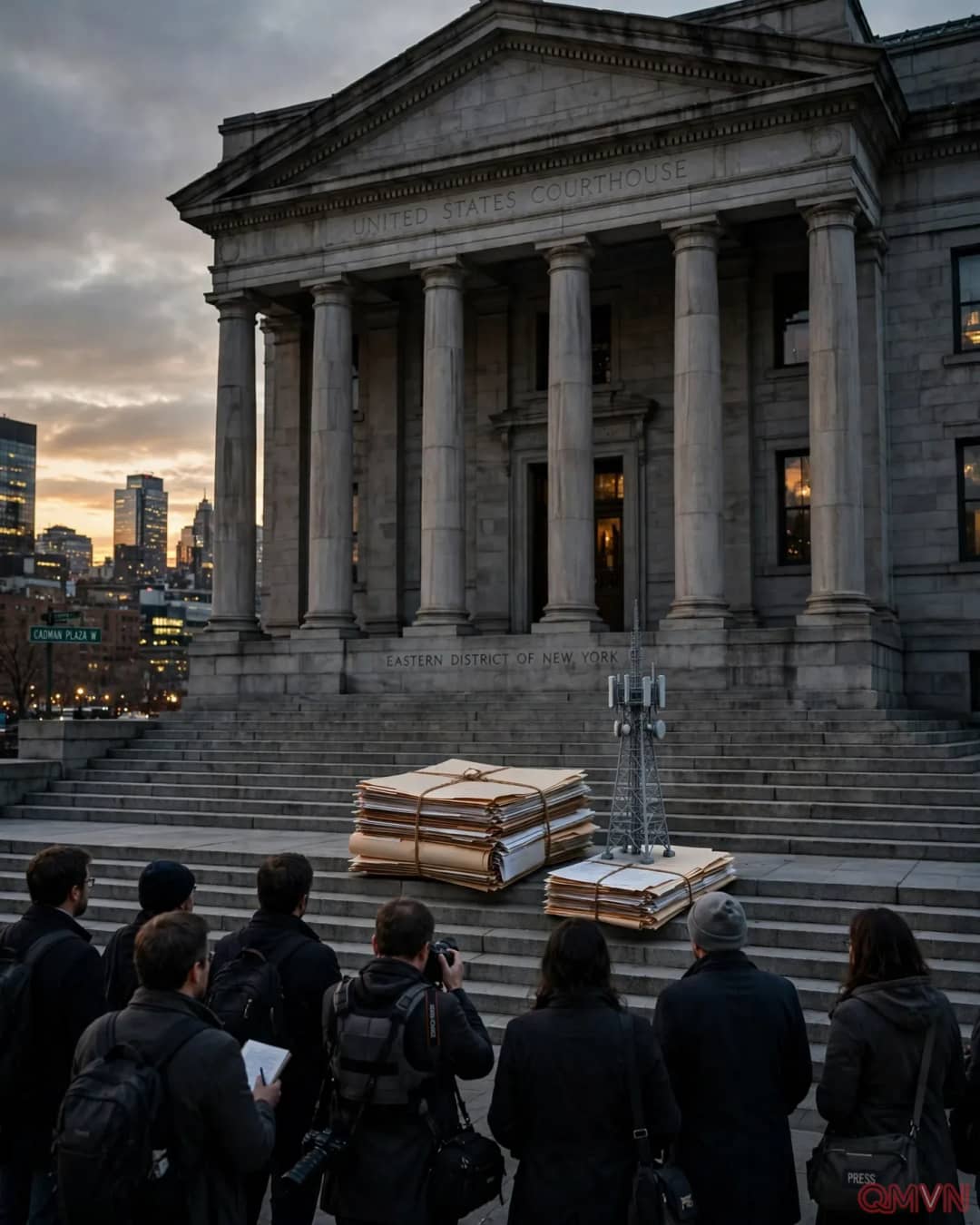
The verdict, delivered after more than two months of testimony, closes the trial phase of a case that has shadowed Huawei since 2018. Jury selection began on September 8 and opening statements followed the next day; prosecutors called more than 60 witnesses and the defense called 15. Jurors began deliberating on November 18.
For Washington, the case was never only about one company. A year after the indictment, the US government placed Huawei on a trade blacklist that restricted its access to American technology, citing national security concerns. Western allies including Canada and Britain later took similar steps.
What the jury decided
Huawei was found guilty of bank fraud, wire fraud, sanctions violations and conspiring to steal trade secrets. At the heart of the fraud counts was the claim that Huawei misled HSBC, Standard Chartered and BNP Paribas about its dealings in Iran so it could move dollars in and out of the country in breach of US sanctions. Prosecutors said the Iran business was routed through Skycom, a shell company in Hong Kong.
Yet the acquittals matter. Jurors rejected the racketeering conspiracy charge, the centrepiece of the government's effort to portray Huawei as a criminal enterprise engaged in a 20-year pattern of wrongdoing, and they also cleared it of conspiring to obstruct justice. Asked about possible penalties, Huawei lawyer Brian Heberlig said it was premature to comment, but that the racketeering acquittal could make a significant difference.