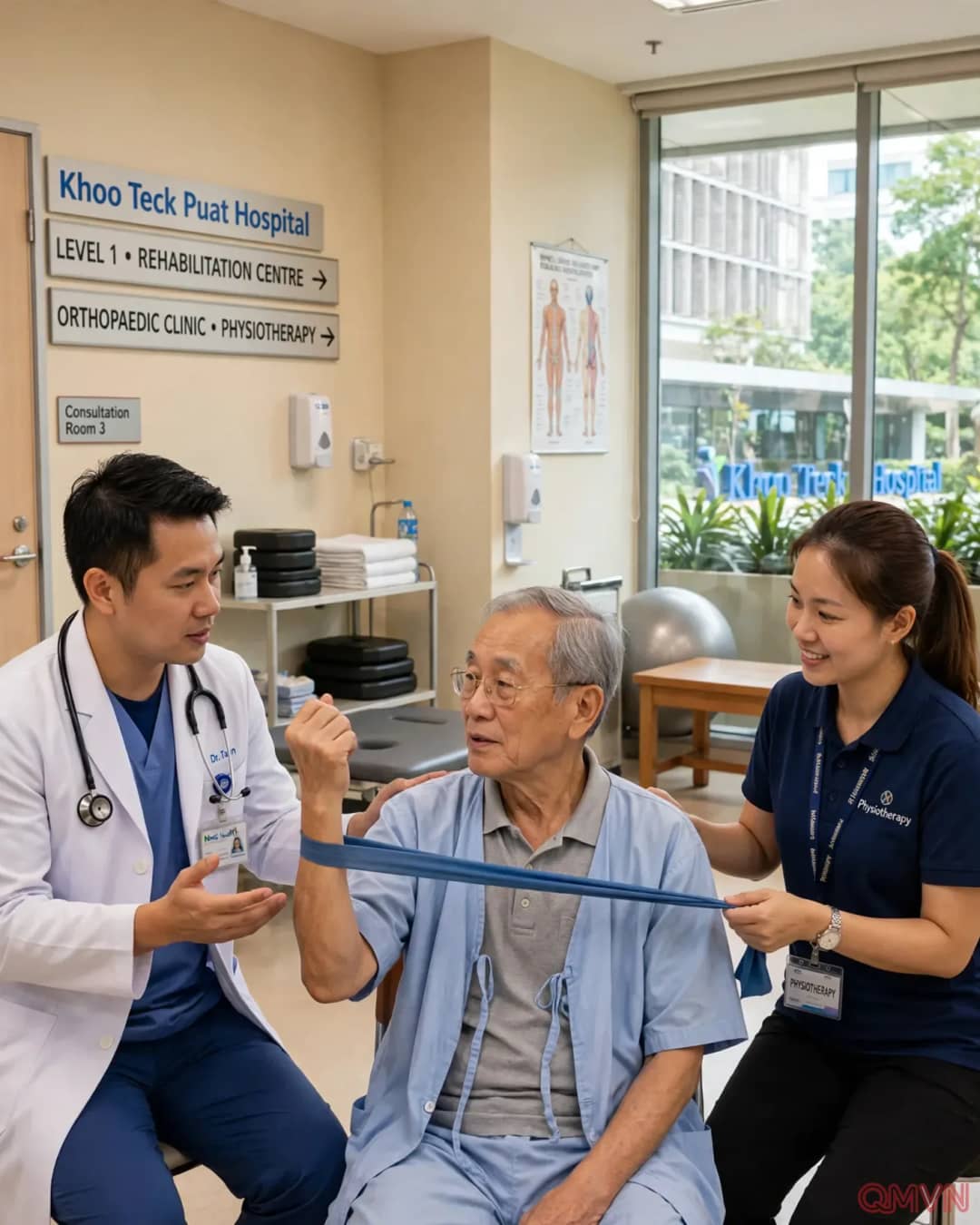
Rapidly rising numbers at public hospitals
TTSH data show a significant increase in just three years. At SGH, according to information published in April, the hospital performs about 40 shoulder replacements a year on average. Although still far fewer than knee replacements, which can run into the hundreds a year at a single hospital, shoulder replacements are becoming a more common option.
Experts say the trend reflects today's seniors' desire to stay active. They live longer, are healthier and want to keep doing what they love, from caring for grandchildren to playing sports, rather than enduring pain.
When a shoulder replacement may be needed
According to SGH, a total shoulder replacement replaces a damaged joint with a prosthesis to relieve pain and improve function. Common causes and signs include:
- Shoulder osteoarthritis, rheumatoid arthritis, avascular necrosis or a severe fracture of the head of the upper arm bone.
- Persistent shoulder pain, pain at night or at rest, and reduced range of motion in the shoulder.
- Conservative treatments such as rest, avoiding aggravating activities and physiotherapy no longer working.