MAIN ARTICLE
A mission defined by its boundaries
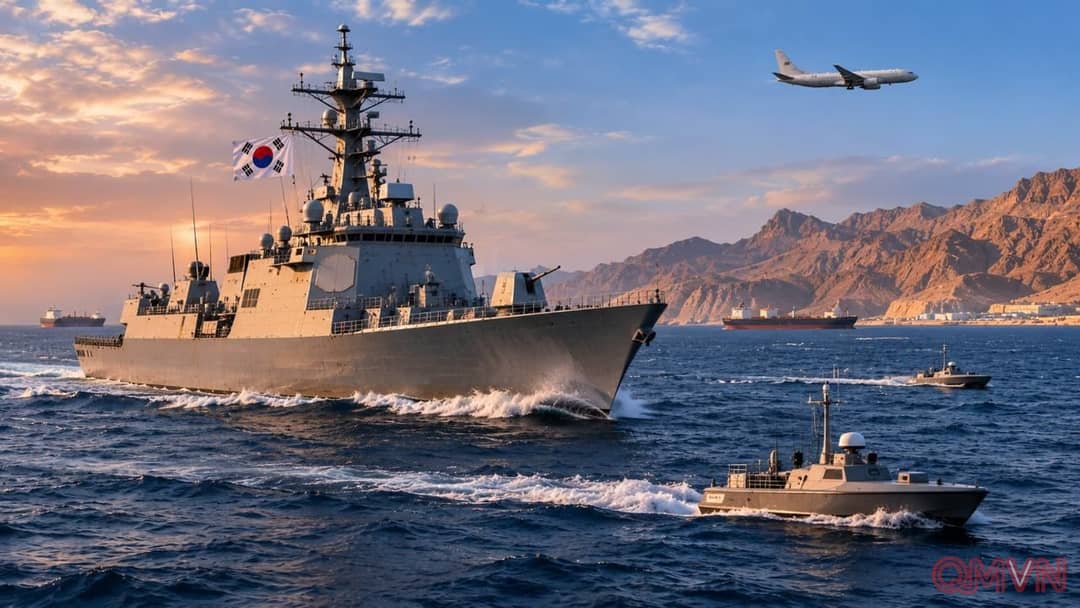
South Korea’s Defence Ministry says the revised mandate would expand the Cheonghae unit’s operating area toward the open waters south of Oman’s port of Duqm. That moves it closer to a shipping corridor linking the Indian Ocean and the Persian Gulf, but still leaves it hundreds of kilometres from Hormuz. Officials say operational command will remain with South Korea, separate from allied forces. They have ruled out monitoring Iranian territory, territorial waters or the interior of the strait under the proposed mission.
Those distinctions matter both politically and legally. An anti-piracy unit can support merchant shipping without becoming a participant in an interstate war. Yet a change in the security situation can quickly test such separation. Seoul is therefore seeking an explicit mandate covering geography, permitted activities and accountability before committing additional personnel and equipment.
Aircraft and mine-response capabilities
The proposed reinforcements comprise a P-8A Poseidon maritime patrol aircraft, explosive ordnance disposal specialists, unmanned surface and underwater systems, and remotely operated underwater vehicles. South Korean reporting puts the additional personnel at 75 and the overall personnel ceiling at about 395.