MAIN CONTENT
A powerful office and an unhealed wound
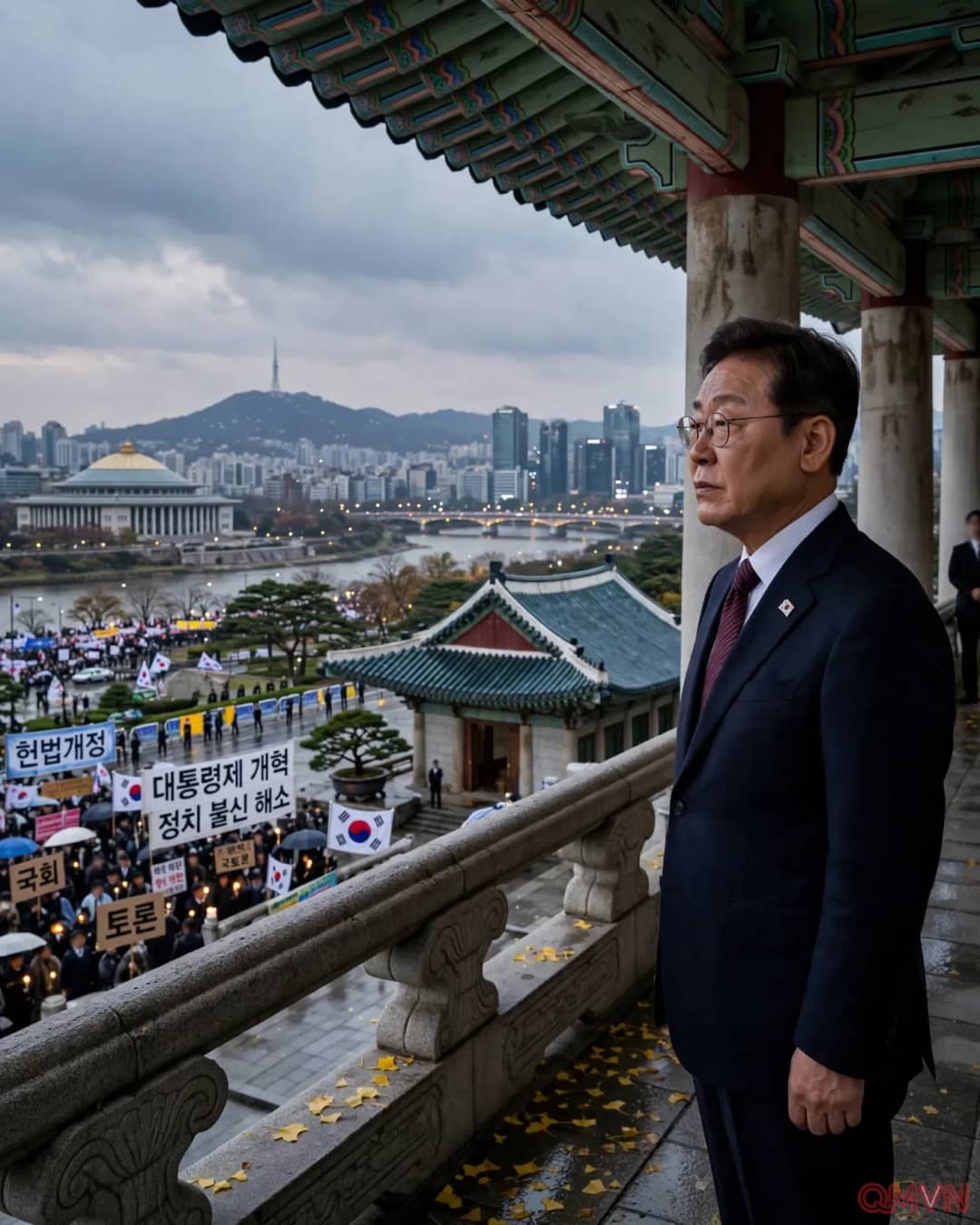
The expression “imperial presidency” captures a recurring concern in South Korean politics: extraordinary authority is concentrated in the executive branch. The president has considerable influence over appointments, policy direction and emergency measures. Such concentration can make government decisive, but it also magnifies the damage when one officeholder tests constitutional boundaries.
The night of December 3, 2024, turned that abstract fear into a national crisis. Yoon Suk Yeol declared martial law, only for the National Assembly to vote swiftly for its removal. The order was short-lived, but confidence in constitutional safeguards was severely shaken. Yoon was subsequently impeached and removed from office by the Constitutional Court in April 2025.
Changing the term without forgetting the checks
Lee proposes four-year presidential terms, with one possible reelection, instead of today’s single five-year term. Supporters argue that an incumbent should face the voters again, allowing citizens to reward competence or reject poor leadership rather than endure an entire term without the possibility of a second electoral judgment.