MAIN ARTICLE
Fear near homes and the competing proposals
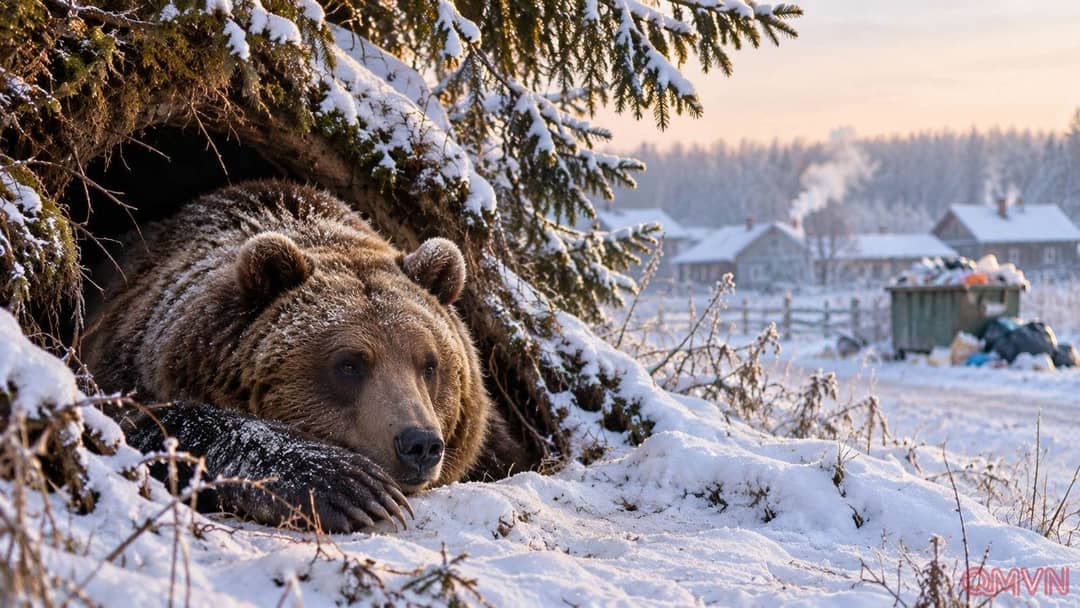
Warnings about bears entering populated areas have grown more urgent in parts of Russia. Fatal encounters and sightings have led authorities to restrict access to forests and advise residents to limit movement. Such fear is understandable. Brown bears are formidable wild animals, and a delay in dealing with an individual posing an immediate threat can be deadly. Public safety must remain the starting point of any serious policy.
Rosokhotrybolovsoyuz has asked the Natural Resources Ministry to extend the regular hunting season to February 28, end annual harvest limits for brown bears and remove the 30-day validity restriction on permits. According to the association, hunters currently use less than 30 percent of allocated quotas. It argues that reducing administrative obstacles would make population management more effective, although that proposition requires testing against local evidence.
An important distinction can easily disappear in this debate. Allowing specialists to remove a bear threatening human life immediately, with paperwork completed afterwards, is an emergency-response proposal. Permitting recreational hunters to approach sleeping animals in February is a different policy entirely. The association's published rationale also identifies the promotion of recreational and sport hunting as a goal. The consequences and public benefits of each proposal should therefore be judged separately.