MAIN ARTICLE
One roll, two interpretations
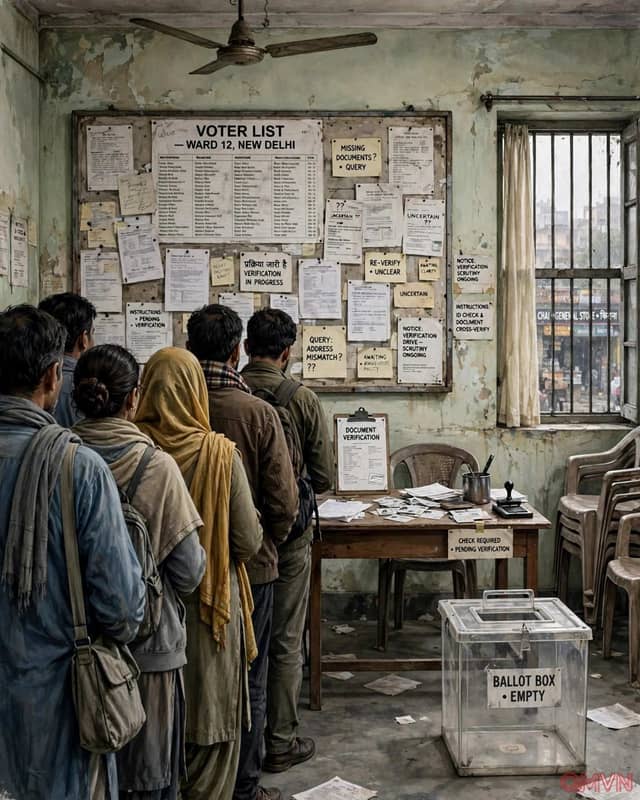
Maintaining electoral rolls is a routine responsibility in democratic systems. India’s Special Intensive Revision (SIR) began ahead of the 2025 election in Bihar and expanded across much of the country. The ECI argues that credible rolls must identify deceased voters, duplicate entries, people who have changed residence and cases that cannot be located.
The opposition Congress party and others argue that the scale and speed expose poorer citizens, migrants and people without readily available documents to disproportionate risks. Allegations that the exercise advantages Prime Minister Narendra Modi’s Bharatiya Janata Party (BJP) remain political allegations, not independently established findings. Both the election authority and the BJP reject accusations of manipulation.
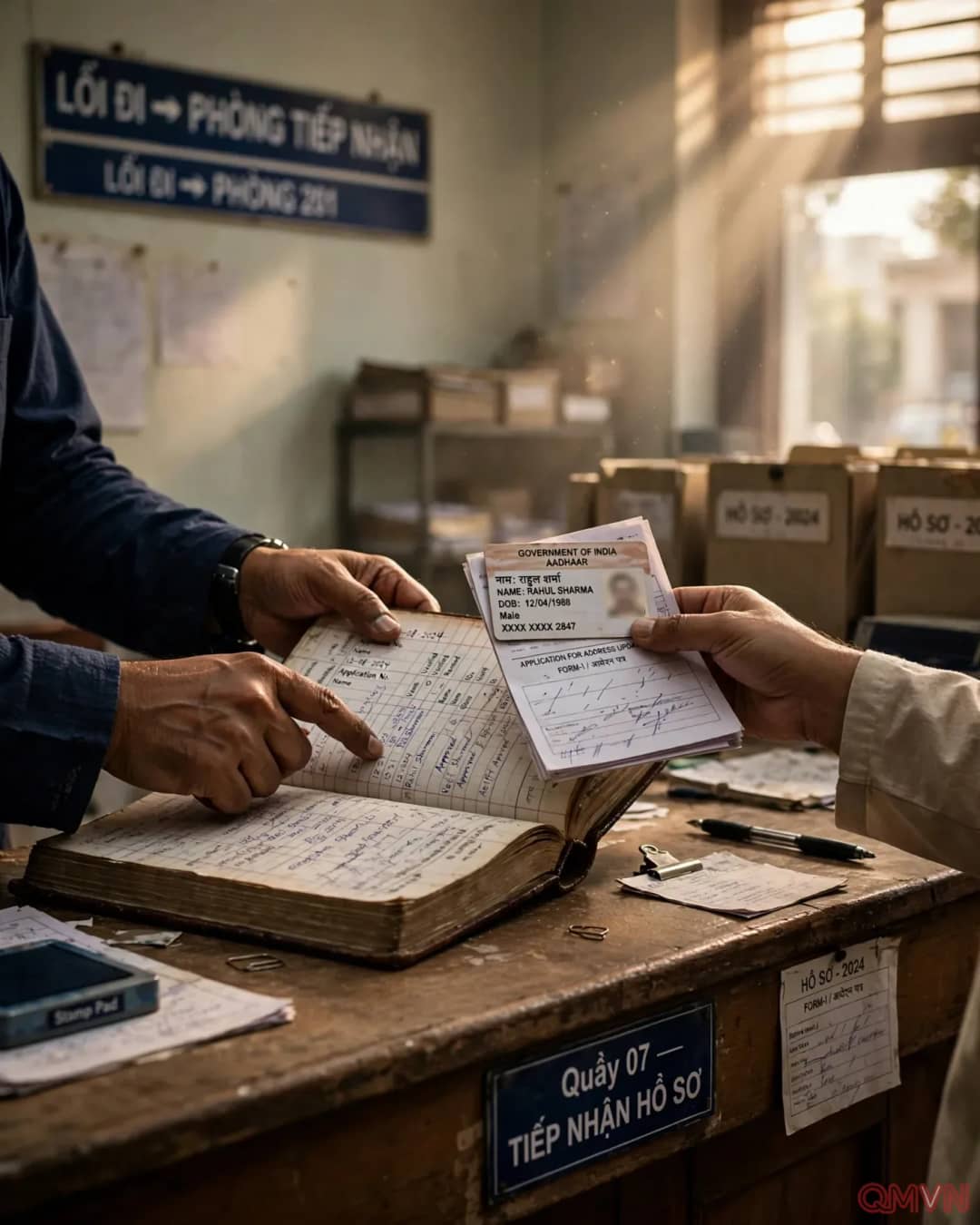
An omission from a draft roll must be distinguished from permanent loss of voting rights. Yet a correction process that finishes after polling day, or demands resources people do not possess, can make a right legally intact but practically unavailable.
The 130 million figure and the burden of proof
According to Reuters, roughly 130 million names were absent from initial draft lists after the revisions. Bihar’s 2025 exercise accounted for approximately 6.5 million exclusions from its draft.