MAIN ARTICLE
A stronger dollar changes the currency equation
The pound's decline was primarily a story about the dollar rather than a sudden reversal in British monetary policy. On Wednesday sterling lost about 0.2% to trade near $1.331, following a roughly 0.7% fall the previous session. The US dollar index rose for a second consecutive day, reflecting a reassessment of the likely path of American borrowing costs. When investors anticipate higher US interest rates, dollar-denominated assets can look more attractive, although exchange rates also depend on growth, risk appetite and the positions already held by traders.
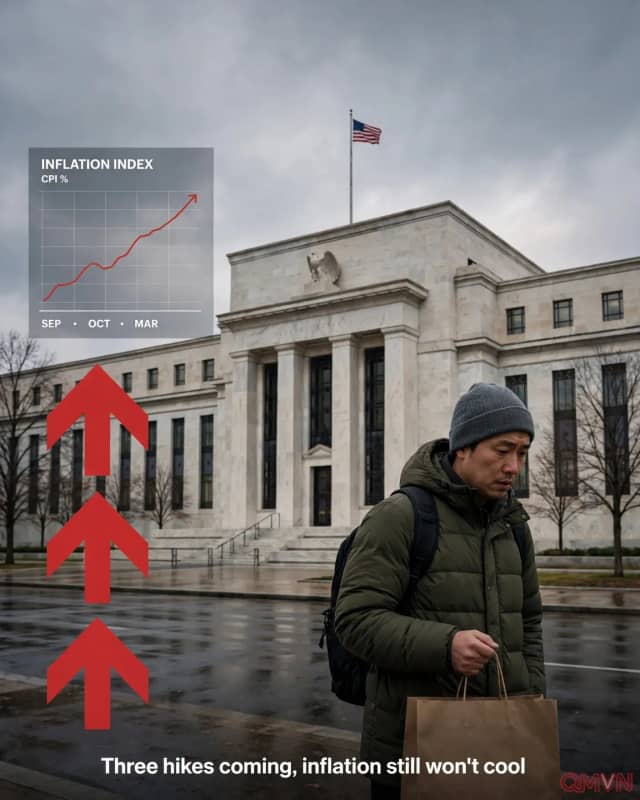
The latest consumer-price numbers strengthened that reassessment. US headline prices increased 0.4% in October, versus a 0.3% consensus expectation, while core inflation remained firm. Derivatives pricing cited in the Reuters report indicated a fully anticipated 25-basis-point increase at the December Federal Reserve meeting and a smaller possibility of a half-point move. These are market expectations, not a decision by policymakers. Any surprise in subsequent employment data, inflation releases or official communications could quickly alter the picture.
The Bank of England is tightening too
Britain's central bank has hardly stood still. On November 5, the Bank of England's Monetary Policy Committee voted eight to one to lift Bank Rate by 25 basis points to 4%. The dissenting member wanted a larger increase to 4.25%.