MAIN CONTENT
A rebound driven by positioning, not a change of direction
The numbers captured a market looking for equilibrium rather than celebrating a new rally. Spot prices recovered slightly from the session's trough, while US December gold futures slipped 0.4% to $3,726.50 an ounce. The difference is a reminder that spot trading and futures contracts respond to overlapping but distinct flows, settlement expectations and investor positioning. A one-day bounce after a pronounced fall does not by itself establish renewed confidence in bullion.
Zain Vawda, an analyst at Audacity Capital, described the move to Reuters as bargain hunting and short-covering following a roughly 3% decline. Traders who had sold gold in anticipation of a fall can buy back contracts to close those positions, temporarily lifting prices without a corresponding rise in long-term demand. This distinction matters because a technical recovery can fade quickly if the forces behind the original selloff remain intact.
Why the Federal Reserve matters so much to gold
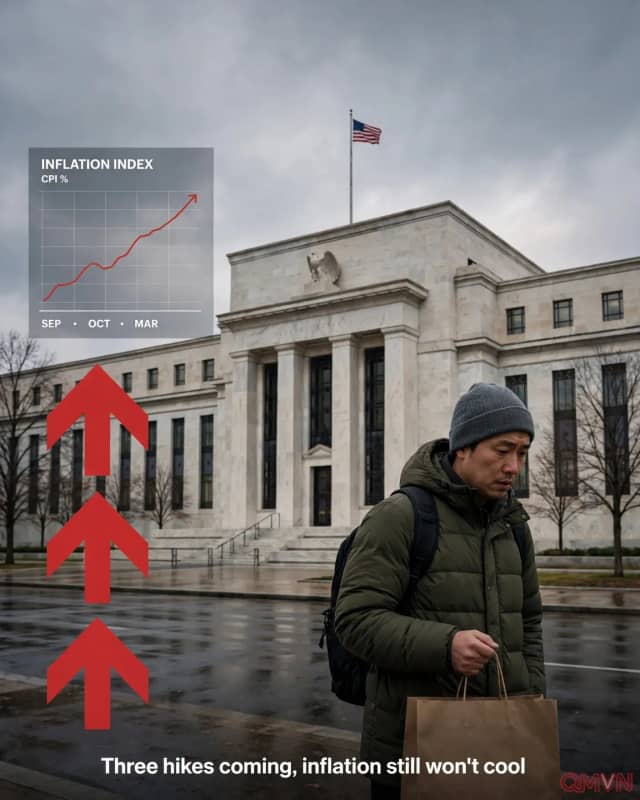
Minutes of the Federal Reserve's October policy meeting showed officials taking inflation risks seriously, even after leaving interest rates unchanged. Governor Michael Barr signalled support for tighter policy, while Governor Christopher Waller raised the possibility of a more aggressive response to price pressure. AP reported that nearly all officials expected a quarter-point increase in December, with some discussing a larger move. These are policy expectations, not an interest-rate decision already taken.