MAIN REPORT
What the figure of 223 really measures
The figures obtained by Nam In-soon, a Democratic Party lawmaker serving on the National Assembly’s health and welfare committee, trace penalties involving certified businesses over five years. They record 133 establishments in 2021, 166 in 2022, 58 in 2023, 138 in 2024 and 223 in 2025. The latest total is 85 higher than a year earlier. It represents establishments subject to administrative action, not a count of food-poisoning incidents or a measure of violations across the whole restaurant industry.
According to Yonhap, the measures covered in the data include corrective orders, fines, financial penalties and suspensions. The published account does not provide a complete breakdown by category or severity. That means the 223 cases should not be treated as equally hazardous or as proof that each business made somebody ill. Nor were year-by-year totals of all certified businesses supplied alongside the headline numbers, making a meaningful violation rate impossible to calculate from these figures alone.
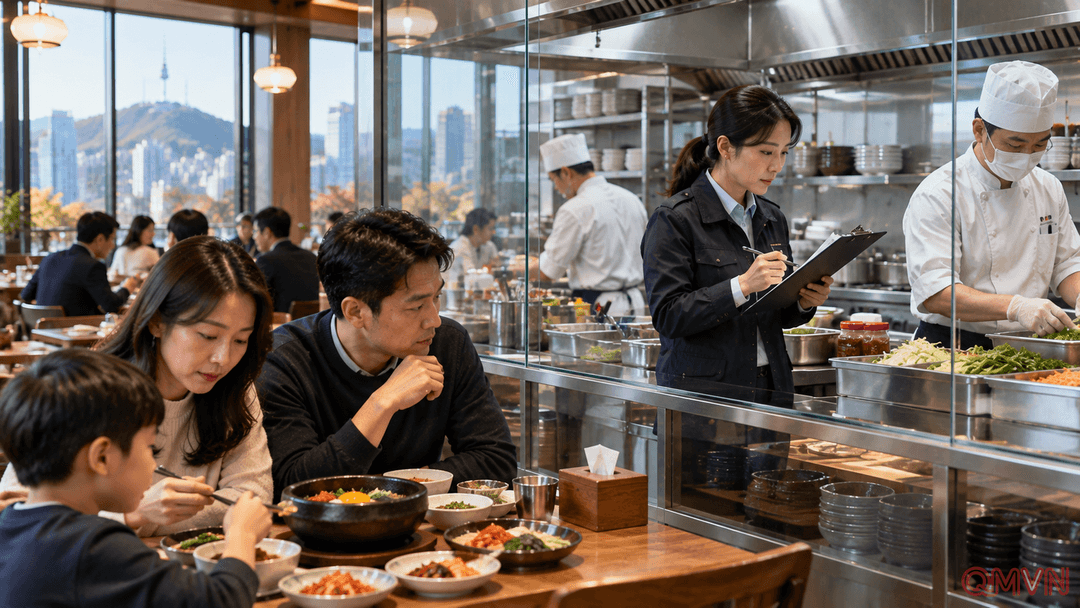
Nevertheless, the disclosure raises an important issue precisely because the establishments had already passed an official assessment. The state-backed designation is designed to serve as an accessible signal for diners. A business may have satisfied its initial evaluation and subsequently breached food hygiene requirements. Understanding the gap between those two moments requires more than an annual count: it requires records of inspections, responses and corrective action.