MAIN CONTENT
A Smooth Inaugural Night in Bangkok Despite Nearby Border Friction
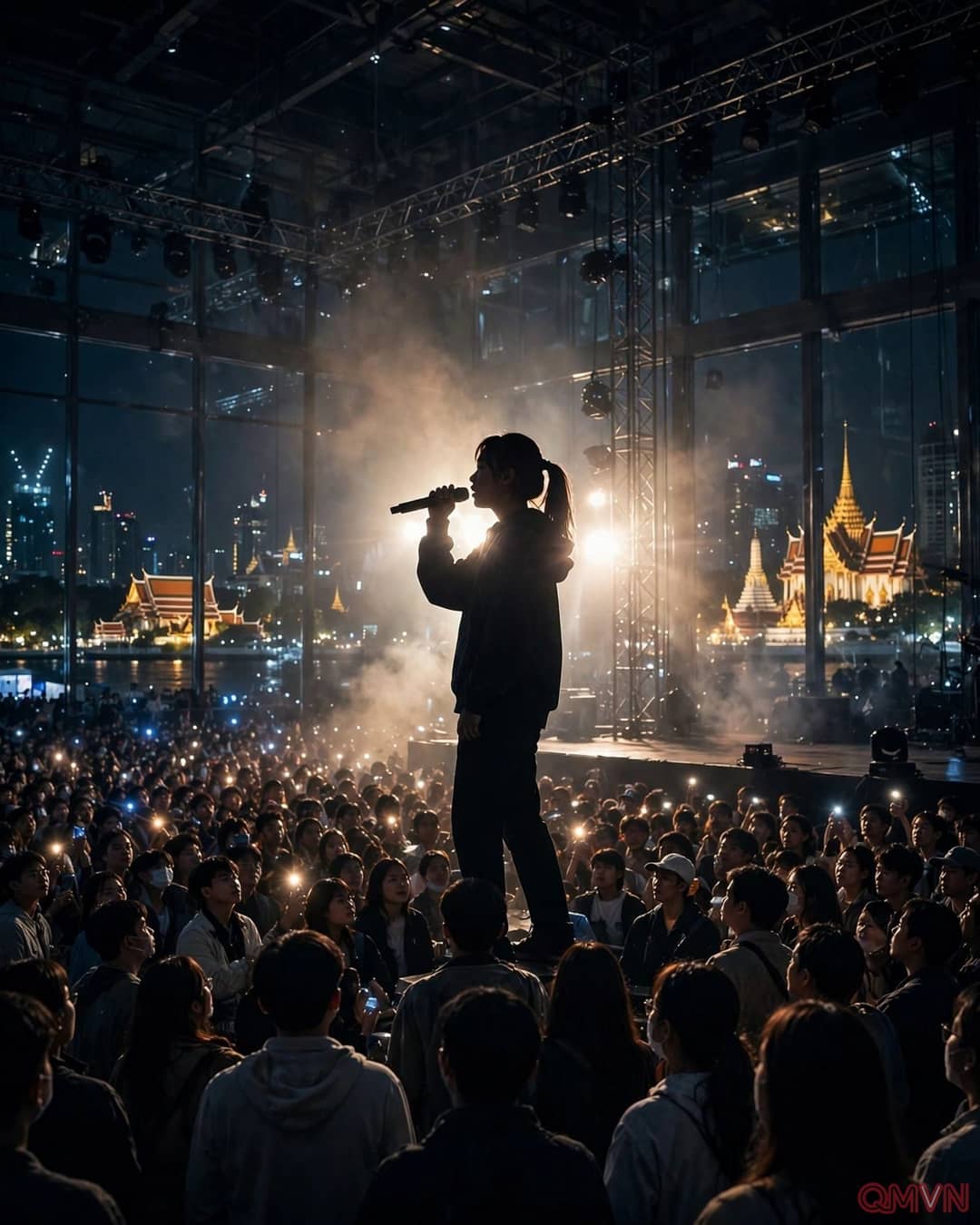
As the inaugural Eurovision Song Contest Asia kicked off in Bangkok, Thailand, on Saturday evening, November 14, 2026, organizers succeeded in keeping regional political tensions away from the spotlight. The 11 competing Asian countries carry plenty of offstage diplomatic baggage—most notably Cambodia sending an artist to perform in Thailand’s capital less than a year after a border conflict between the two neighbors killed dozens, displaced hundreds of thousands, and prompted Cambodia to pull its athletes from the Southeast Asian Games in Thailand last year.
None of those tensions spilled into controversy on Saturday, when Vietnamese singer Toc Tien opened the show as the first performer onstage. Still, Dean Vuletic, a Eurovision historian at the University of Luxembourg, expects the Asian edition to evolve into a far more visible political arena if it continues over coming years, attracts wider audiences, and raises national prestige stakes.
"Politics is why we watch Eurovision." Dean Vuletic
Major Regional Absences and Hard Lessons From 70 Years in Europe
For its debut, Eurovision Asia was aided by the absence of several major Asian powers whose participation could have triggered immediate diplomatic friction. Executive producer Assaf Blecher noted that broadcasters from China, Japan, and India held discussions about joining but did not sign up before the entry deadline, while Pakistan, Indonesia, and Taiwan are also absent—sparing organizers delicate decisions over official names, flags, and maritime or territorial disputes.