MAIN ARTICLE
Freight bills reveal a broader vulnerability
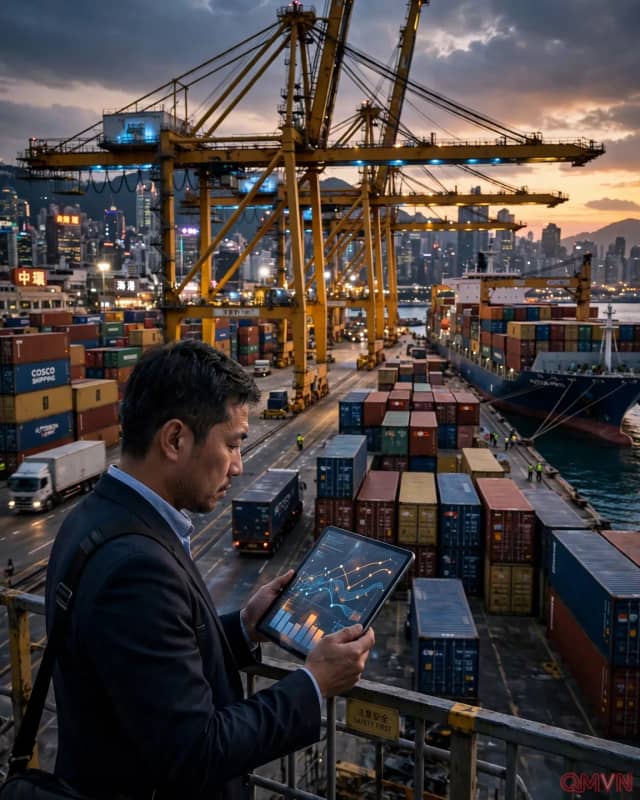
For a trading centre such as Hong Kong, freight is much more than a line on a shipping invoice. It influences delivery schedules, the price of inputs and how much cash a business must tie up in inventory. As reported by the South China Morning Post on November 17, around four in ten Hong Kong respondents in HSBC's survey identified shipping and freight as a recent cost pressure. That does not mean freight charges themselves have risen by 40%.
Across the global sample, 44% cited energy costs, 43% tariffs and 41% freight as factors affecting their cost base. These are shares of respondents, not measures of the amount companies have lost. Comparing Hong Kong with the international results illustrates why responses should reflect each market's exposure rather than rely on a universal prescription.
Diversification without abandoning existing markets
Adding suppliers and transport corridors sounds straightforward, but qualifying a new manufacturer, negotiating contracts and complying with customs rules take time and money. The calculation is no longer simply the lowest available purchase price.