MAIN CONTENT
Freight pressure stands out in Hong Kong
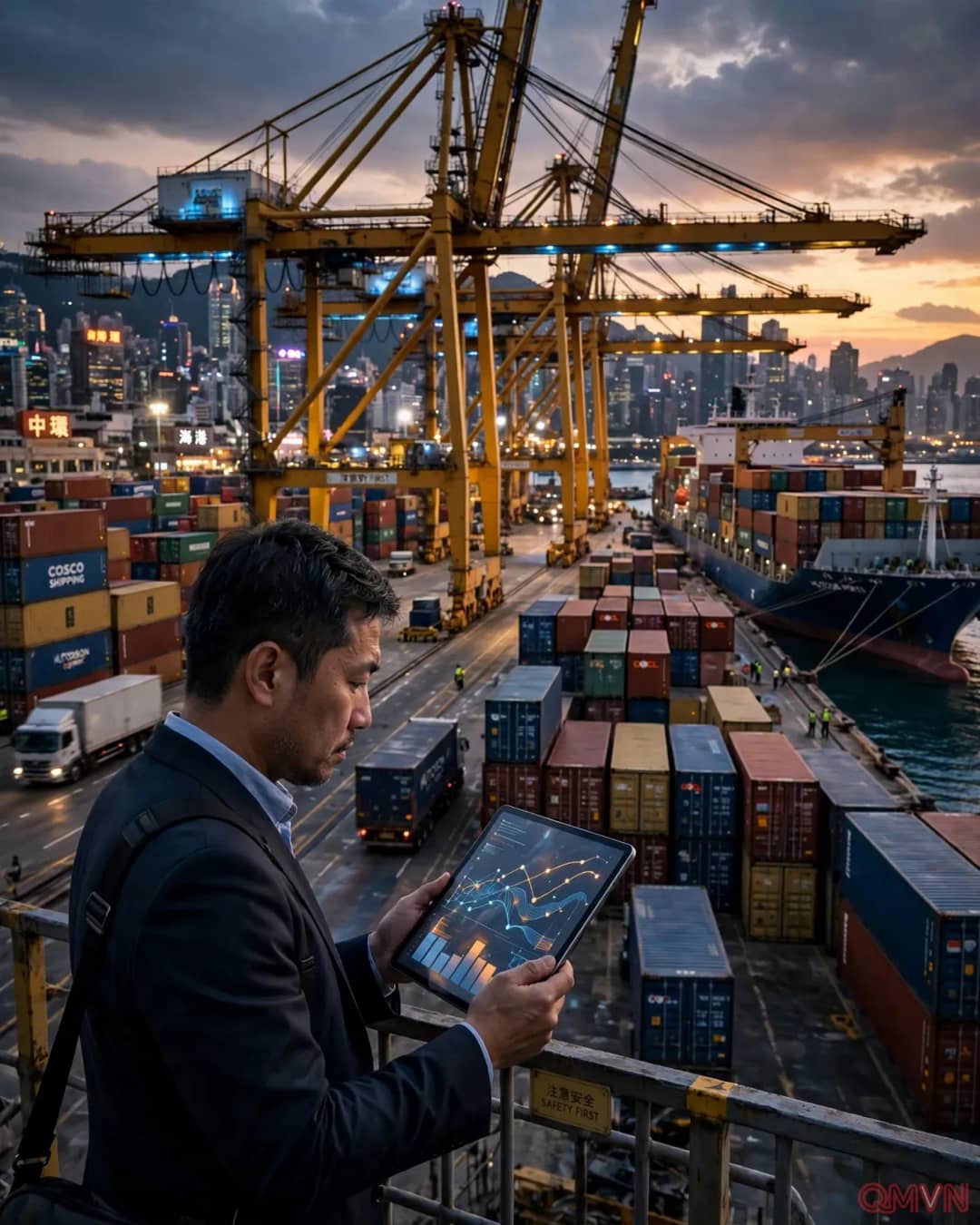
The Hong Kong finding reported by the South China Morning Post is striking for a city whose economy depends heavily on cross-border commerce and services. Roughly two in five respondents identified shipping and freight as a cost pressure. That is a measure of how frequently executives selected the category, not evidence that freight bills rose by 40%, nor proof that every company experienced an increase. Such distinctions matter when survey findings are translated into corporate budgets or public policy.
Globally, HSBC found a somewhat different ordering of concerns. Energy costs were cited by 44% of respondents, tariffs by 43%, and shipping or freight by 41%. Different business models and trading routes create different exposures. A Hong Kong importer or regional distributor may have to balance delivery reliability, inventory financing, freight charges and currency movements at once, even when the underlying product demand appears healthy.
Diversification is more than relocation
The response is not simply to abandon one manufacturing location for another. Companies can qualify additional suppliers, diversify shipment routes, hold inventories closer to customers and build regional alternatives to critical production steps. In HSBC’s global sample, 88% said they had taken or planned action to broaden supplier networks across regions, while 86% reported steps or intentions to optimise trade routes. These combined categories include future intentions and should not be treated as independently verified outcomes.