MAIN CONTENT
Jet drones change the tempo of air attacks
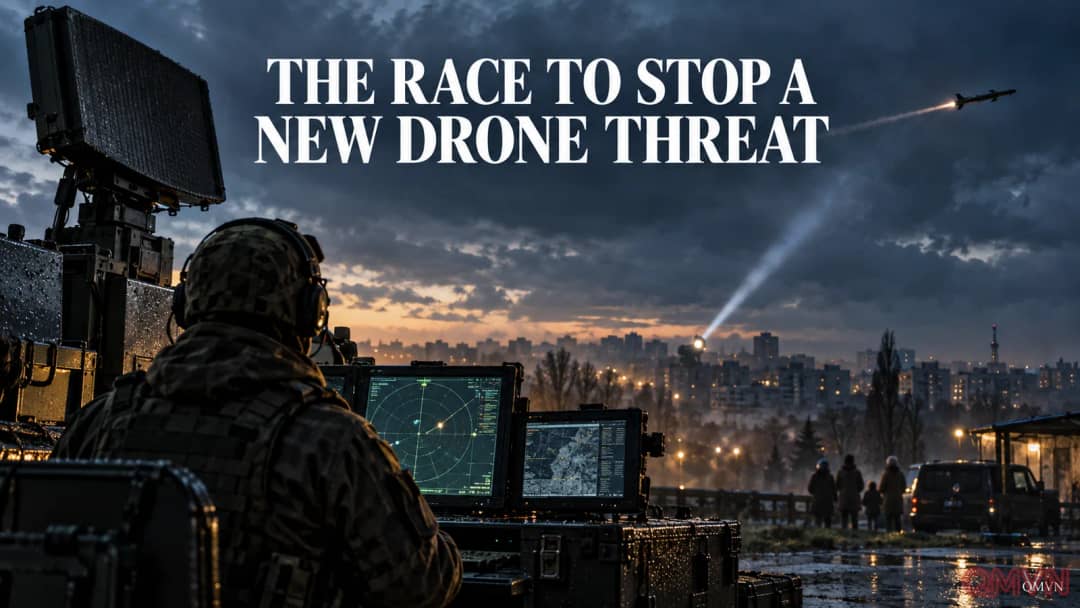
When Russia began launching thousands of cheap, propeller-driven Shahed drones in 2022, Ukraine gradually developed effective responses. Domestic interceptor drones, often costing under $2,000, could handle many slower targets and helped push interception rates toward 90%.
Jet-powered drones pose a different equation. Speeds of up to 500 km/h, compared with under 200 km/h for older Shahed types, shorten reaction time and exceed the chasing capacity of many low-cost systems. Kyiv and its surrounding region were the most heavily targeted area, accounting for nearly a fifth of all Russian drone launches in Ukrainian data.
With jet drones, we completely lost the initiative again, that is a fact.
A test reveals the distance from idea to deployment
In early July, Ukraine’s military invited numerous producers to test a new generation of interceptor drones. According to informed sources, many were hard to control at speeds above 400 km/h, and some crashed in nearby fields and forests.