MAIN CONTENT
The silence behind extraordinary wealth
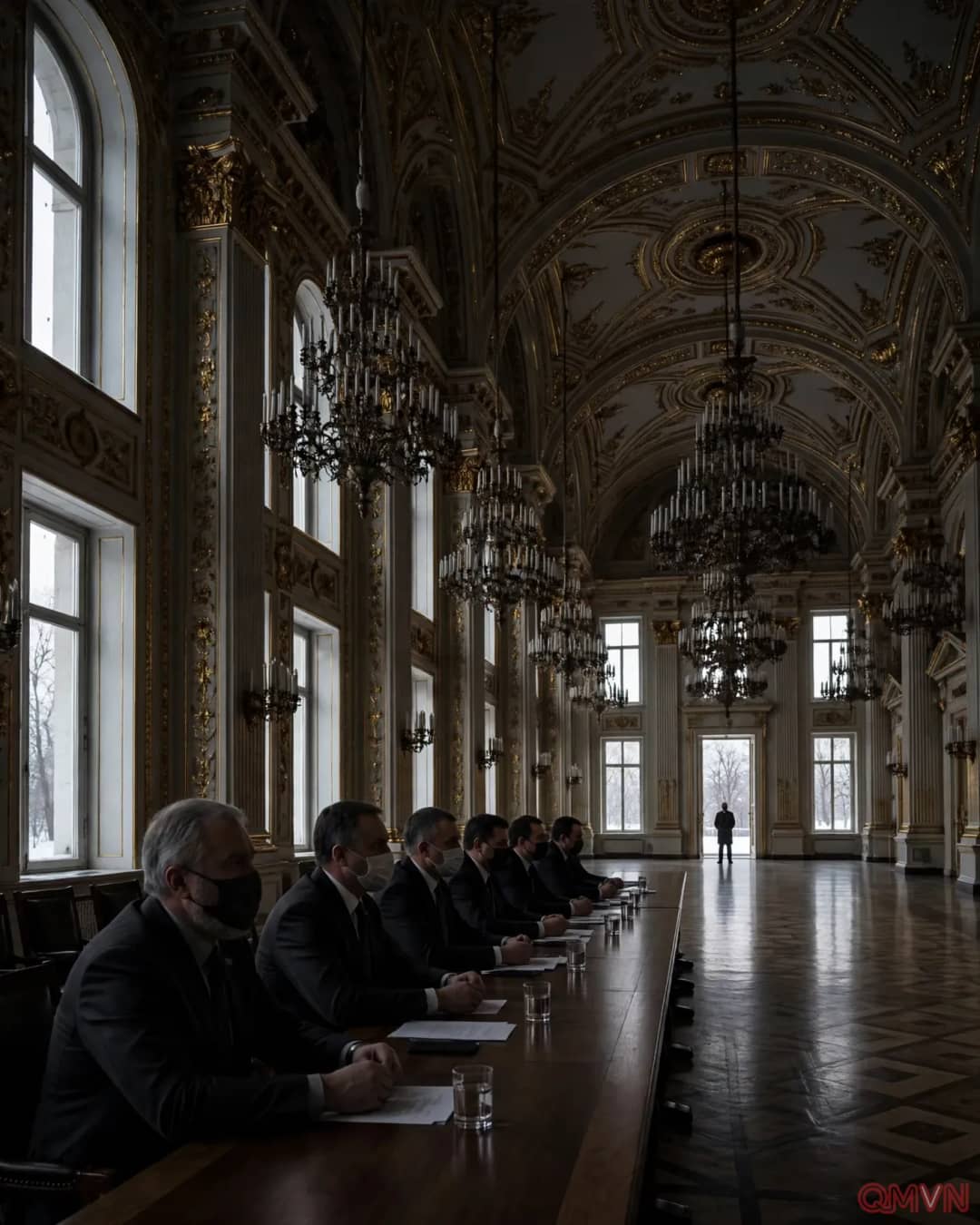
On February 24, 2022, hours after Russia began its full-scale invasion of Ukraine, Putin summoned leading businessmen to the Kremlin. The image of executives sitting far from the president and barely speaking captured a long-standing imbalance: immense private fortunes did not translate into the power to decide the country’s most consequential policies. Their business plans suddenly faced a war they had not publicly helped to choose.
BBC Monitoring analyst Vitaly Shevchenko traces this caution back through Putin’s presidency. The 2003 arrest of oil magnate Mikhail Khodorkovsky, after he challenged the Kremlin, served as a warning that crossing political boundaries could carry a devastating price. Khodorkovsky disputed the criminal charges against him. The episode nevertheless became a reference point for how business wealth and state authority interact in Russia.
War has further divided the business elite. Owners benefiting from defense orders and government contracts may prosper, while internationally oriented companies face restrictions on finance and travel. The BBC cites Forbes figures of 155 Russian billionaires with combined wealth approaching $700 billion. Those figures measure wealth, not autonomy: access to state favor can make a fortune simultaneously larger and less secure.