MAIN CONTENT
A test that bridges circuit and city
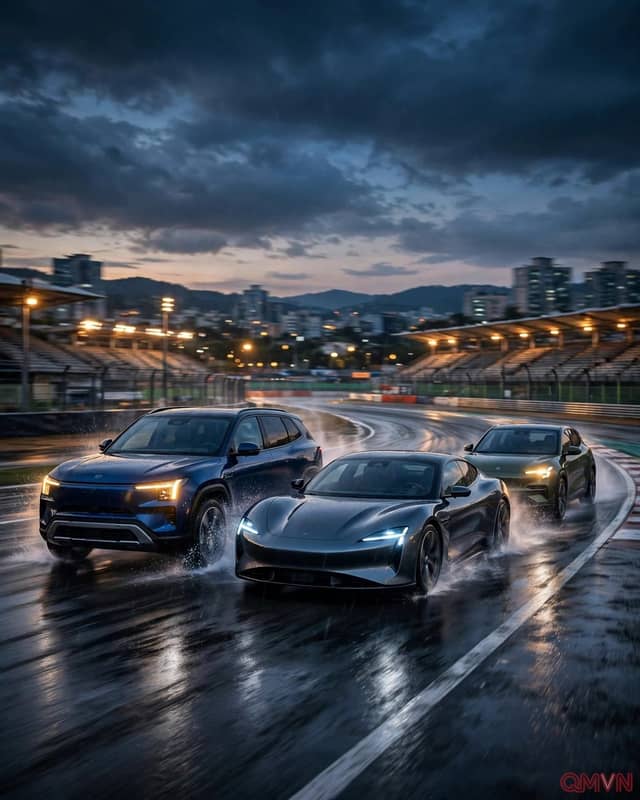
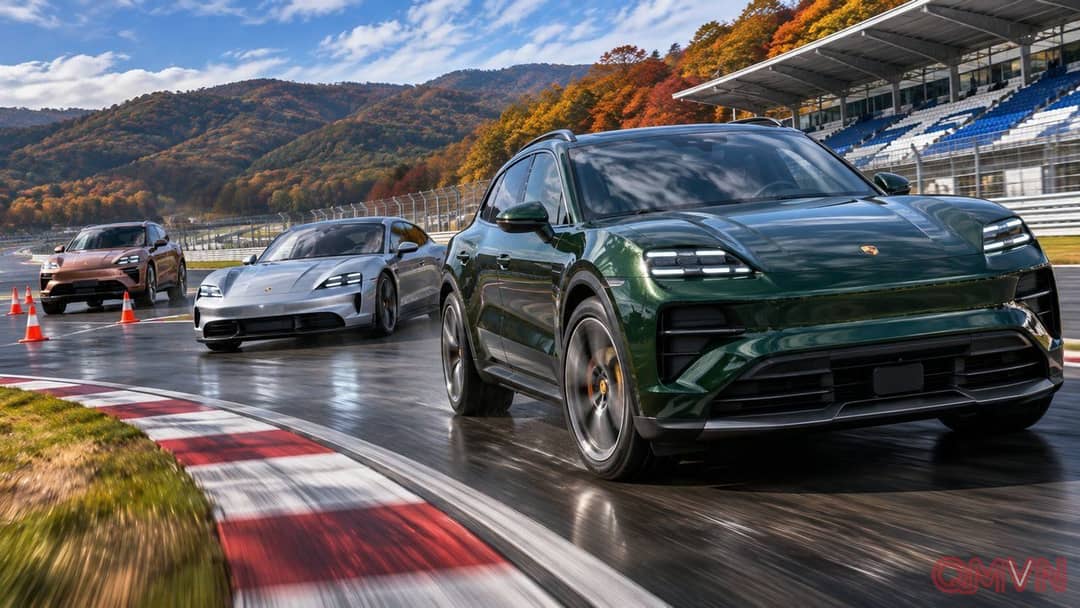
Porsche Korea’s media driving event in Yongin on November 12 was designed to do more than showcase acceleration. The Cayenne Electric, Taycan and Macan represent three interpretations of the brand’s promise that electric motoring should still feel recognizably sporting. A circuit exposes braking, steering and body movement; public-road driving exposes cabin comfort, maneuverability and the demands of routine journeys.
Comparing the Cayenne with the Taycan is revealing. The former is a tall, spacious and heavy SUV; the latter a low sedan whose silhouette recalls Porsche’s traditional sports cars. The Taycan has a natural geometric advantage in corners, whereas the Cayenne relies more heavily on sophisticated chassis control to counter inertia. Electric motors do not erase the distinctions between different vehicle types.
Cayenne: enormous output demands precise control
The Cayenne Turbo Electric weighs about 2.7 tonnes in the Korean driving report. Under Launch Control, Porsche lists a maximum of 850 kW, or 1,156 metric horsepower, and 1,500 Nm of torque.